

Custom Development
Alcohol Delivery Market Share and Trends: Size, Growth, & Business Opportunities
7 Apr 2026
As the need for robust healthcare service is increasing so is the demand for medical apps. Telemedicine apps have changed the course of traditional systems by providing features to address the unique needs of healthcare professionals, patients, and other stakeholders.
From hospitals and clinics to telemedicine platforms and wearable devices, medical apps have the potential to reform the way healthcare services are provided and accessed making it more efficient, accessible, and patient-centric, and the recent global pandemic has taught us the need for remote healthcare very well.
Telemedicine apps provide a unique way of services such as remote appointment booking, patient monitoring, ailment symptom checking, constant vital tracking, and many more reducing waiting time and enhancing overall healthcare outcomes.
Whether you are a healthcare professional, or a healthcare organization that is considering incorporating telemedicine apps to streamline traditional care facilities but is not sure when you should start implementing it, then go through this blog as we will provide you with the necessary points that will help you in starting your telemedicine software development journey.
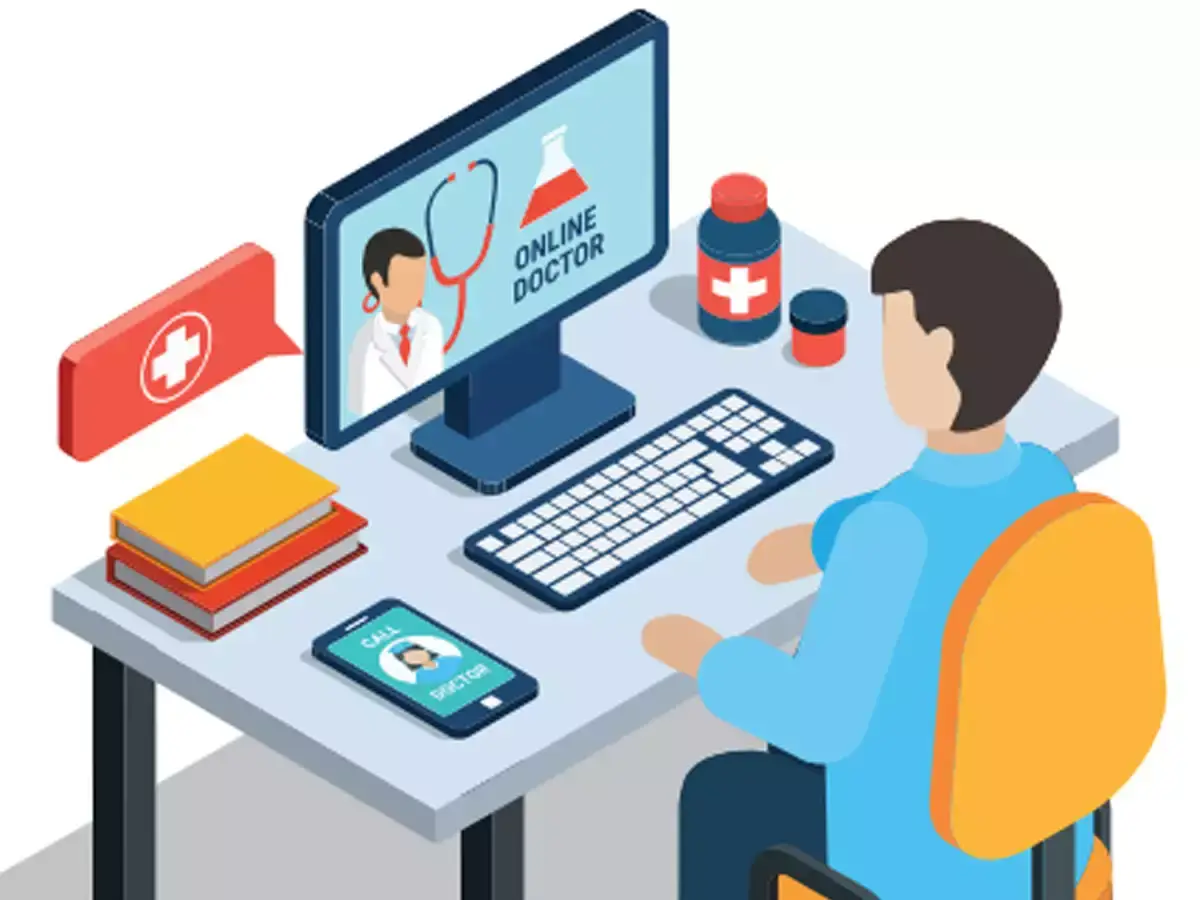
Well, you can implement telemedicine software in your services anytime you want. But to make your decision-making easier we have assembled a few important steps or points that are crucial and will help you jump-start your journey.
Before deciding on the timeline for developing a telemedicine app, it is very important to access the healthcare industry which is constantly evolving, thanks to modern technological advancement and their contribution.
In this rapidly growing market, telemedicine apps are emerging as a key solution to delivering healthcare services from remote locations. Why?
Firstly, the widespread availability of smartphones and high-speed internet has empowered patients to seek healthcare services from the comfort of their own homes providing convenience to busy individuals who may find it difficult to schedule in-person consultations.
Moreover, telemedicine has proven to be effective in bridging the gaps in access to healthcare, especially in rural and underserved areas. Patients who live in remote locations or who have limited mobility can access medical consultations without the need for long and costly travel. This not only improves patient outcomes but also helps alleviate the strain on healthcare facilities.
Not to mention the need for social distancing which was required during COVID-19 has minimized the infection risk and allowed practitioners to safely evaluate, diagnose, and treat patients remotely, reducing the potential for exposure to contagious diseases.
Overall, the current healthcare landscape is in favor of telemedicine applications, considering them as valuable tools in the healthcare domain for accessibility, and convenience as part of the service offerings.

Before implementing software development, it is important to understand the specific needs and requirements of the healthcare practices.
Firstly, identify what services the practice you are hoping to provide remotely and the types of patients to serve. Factors such as the size of the practice, patient needs, available technology, and the level of staff expertise are also important to consider. Smaller practices may have different telemedicine requirements compared to larger health systems.
Additionally, check whether evaluation or upgrade to the existing system or any additional infrastructure is required to install or not. Practices may need to invest in software, equipment, and online platforms to facilitate virtual consultations effectively. Staff training will also be needed for any new systems or processes.
Also, get a thorough understanding of your user or patient base as this will determine whether they are willing to receive support through telemedicine. Practices need to determine if their patient population is receptive to telemedicine and if they have the necessary tools, like internet connectivity and the required technology, to access these services.
Suggested Reading:
Launch your Telemedicine App today with AppsRhino

The cost of implementing telemedicine services may vary depending on the complexity of the software, customization needs, and the vendor chosen. Do not hesitate to ask for quotes from different software providers and compare their features, pricing models, and ongoing maintenance fees.
In addition to the software development costs, there may also be expenses associated with hardware upgrades or additional equipment required to support telemedicine consultations. For example, webcams, microphones, and other peripherals may be necessary to ensure high-quality video and audio during remote consultations.
Telemedicine can also help to streamline administrative processes and reduce operational expenses. For instance, virtual visits can decrease the time and resources required for appointment scheduling, check-in, and documentation. This efficiency can translate into cost savings for the practice.
To evaluate the financial viability of telemedicine, you should conduct a thorough analysis of the potential ROI by considering factors such as increased patient volume, cost savings, and the ability to reach new patient populations. It is also important to monitor and track key performance indicators related to telemedicine implementation to assess its ongoing effectiveness and financial impact.
Suggested Reading:
Telemedicine App Development: The Future of Healthcare
The regulatory practices for telemedicine apps may vary by country, region, or even state, so it is important to familiarize yourself with the specific regulations that apply to your practice.
Legal and regulatory requirements for telemedicine typically cover areas such as licensure, consent, prescribing medications, medical recordkeeping, reimbursement, and patient privacy. Failure to comply with these requirements can result in legal and professional consequences, so it is essential to be aware of and adhere to the applicable regulations.
You can consult with legal professionals or experts who can provide you with guidance specific to your practice and help ensure that you comply with all applicable laws and regulations, thereby minimizing legal risks and maintaining patient trust.
When it comes to medical service implementation, user privacy, and data protection, there are several regulatory bodies available with their privacy and security laws and guidelines such as the Health Insurance Portability and Accountability Act (HIPAA) in the United States, which regulates the use and disclosure of patients' protected health information.
In order to comply with all these privacy and security laws, it is important to conduct regular risk assessments to identify potential vulnerabilities and implement appropriate safeguards. Training staff members on privacy policies and procedures, as well as maintaining audit logs and monitoring access controls, are critical elements of maintaining patient privacy and data security in telemedicine.
To conclude, once you have decided to implement telemedicine in your traditional healthcare practices it will offer you numerous benefits and open a door to the success of your services.
And to determine when to implement telemedicine software development it is crucial to assess your patient’s needs, staff’s knowledge, availability of necessary technology, financial availability, and the potential return on investment to ensure that the expenses associated with telemedicine implementation align with the expected benefits.
AppsRhino offers the best Tech-driven solutions for Healthcare services, Home services, Laundry delivery, Alcohol delivery, Grocery Delivery, Food Delivery, and Taxi Services:
By carefully considering the above factors and following the necessary legal and regulatory factors you can make an informed decision that will meet your goals of improving patient care and accessibility to healthcare services to a wide audience.
So take your time to decide and take a closer look at all the considerations before starting the telemedicine software development journey in your traditional healthcare services.
Custom Development
7 Apr 2026
Tell us what your business actually runs on today, and we will map what it takes to make it one system.