

Custom Development
Alcohol Delivery Market Share and Trends: Size, Growth, & Business Opportunities
7 Apr 2026
Bank onboarding traditionally meant visiting a branch, filling out paperwork, and waiting days for account activation. Onboarding is the process of signing up for a bank account.
Gone are the days of long in-person queues. Instead, customers expect to open accounts via apps or websites in minutes.
Digital onboarding in banking leverages mobile and web channels—often powered by AI and biometrics—to replace paper forms and face-to-face KYC.
Today, with 57% of global consumers banking on mobile (Source: Statista), digital onboarding in banking has become essential for innovation and regulatory alignment.
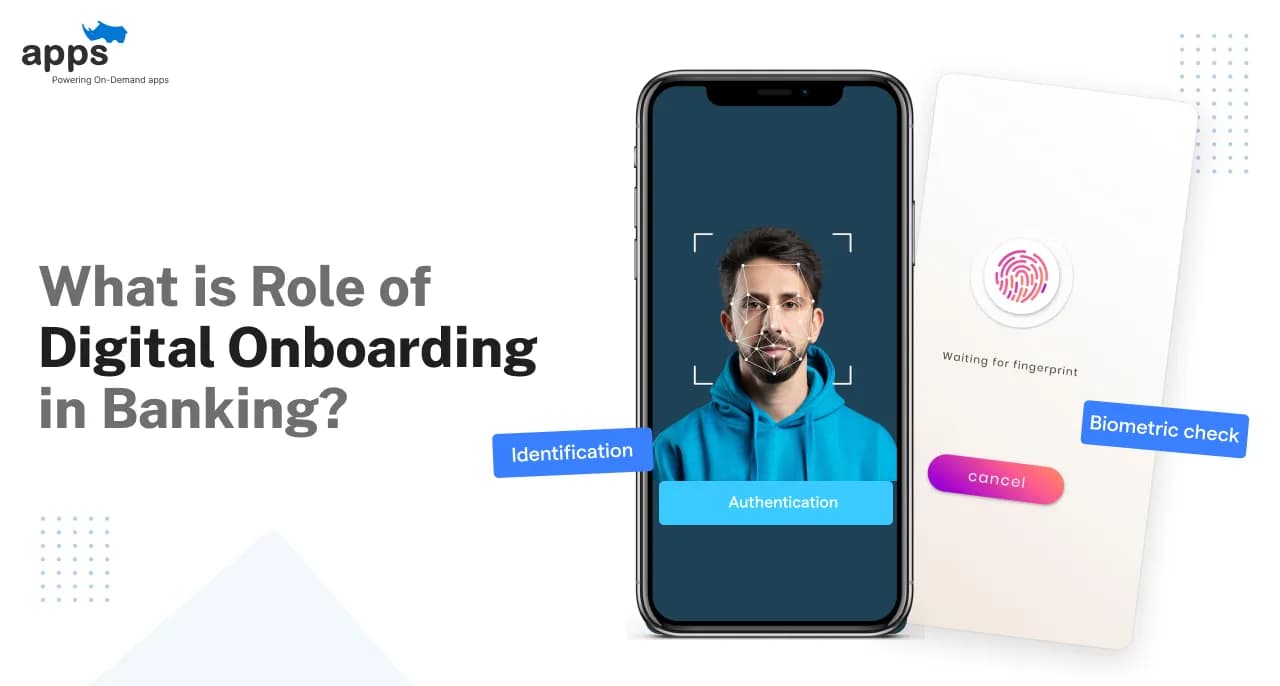
Digital onboarding in banking refers to the end-to-end online process of acquiring and verifying a new customer's identity remotely.
Instead of visiting a branch, a user opens an account or starts a banking service online.
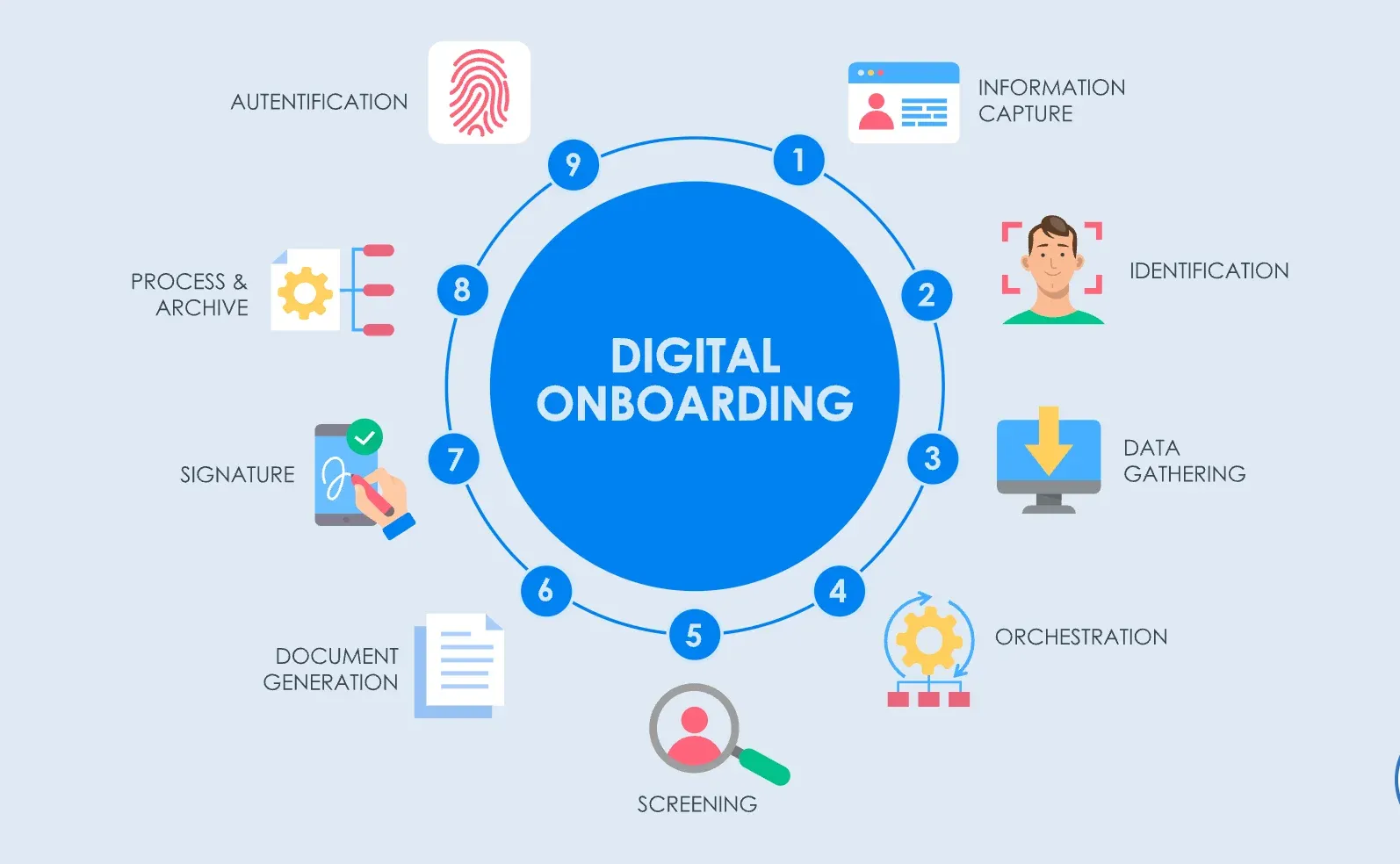
Key Components
Typically, the process involves scanning an ID with a smartphone, followed by a selfie. Behind the scenes, OCR extracts text, and APIs run real-time validations.
Some platforms also offer layered onboarding for business customers, integrating company verification, UBO checks, and document signature workflows, which are critical in B2B banking scenarios.
Banks are rapidly shifting to digital onboarding in banking due to rising customer expectations, intensified competition from digital challengers, regulatory mandates, and the push for greater operational efficiency.
What was once a multi-step process spread across several days is now transformed into a seamless, app-based journey that meets user demands and compliance requirements.
Modern users, particularly Gen Z and millennials, expect instant, mobile-first banking experiences.
According to Business Insider, 80% of Gen Z prefers banking via mobile apps over traditional in-person experiences. These digital natives expect quick account creation, biometric login, and real-time updates as baseline features.
Digital onboarding in banking meets these expectations by removing the need for physical paperwork and enabling 24/7 self-service signups.
In the first half of 2024, neobanks in the UK added 9.5 million users. (Source: Statista)
Players like Monzo and Revolut offer simplified onboarding that takes under five minutes. This has put pressure on legacy banks to upgrade their customer acquisition processes.
Traditional institutions are responding by building digital onboarding in banking flows that integrate with mobile apps, offer identity verification within seconds, and deliver instant digital access to accounts.
Digital onboarding drastically lowers customer acquisition costs.
A McKinsey report states that banks can reduce onboarding expenses by up to 90% by shifting from manual to automated digital processes. Institutions can process more applications with fewer resources by cutting out paperwork and branch visits.
Banks also report a 30–40% increase in signup completion rates after implementing digital workflows and user-friendly interfaces.
Governments in regions like MENA and South Asia are pushing digital identity ecosystems to support secure financial access.
These integrations make digital onboarding in banking both regulatory-compliant and more straightforward to scale.
Banks reduce fraud risk by embedding such frameworks into onboarding pipelines while fulfilling local KYC/AML mandates.
Banks are now leveraging onboarding as the first step in building long-term, personalized customer relationships.
Real-time data captured during signup powers tailored product recommendations, credit assessments, and targeted communication.
In parallel, digital onboarding supports environmental goals by reducing carbon output linked to paper forms and customer travel.
This positions banks favorably in ESG reporting and appeals to socially conscious stakeholders.
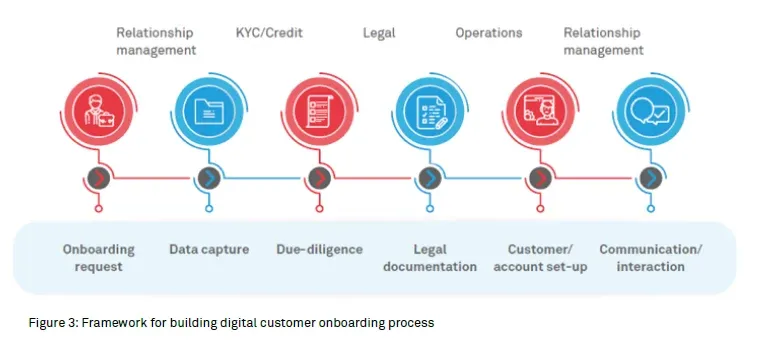
A digital onboarding flow typically includes the following
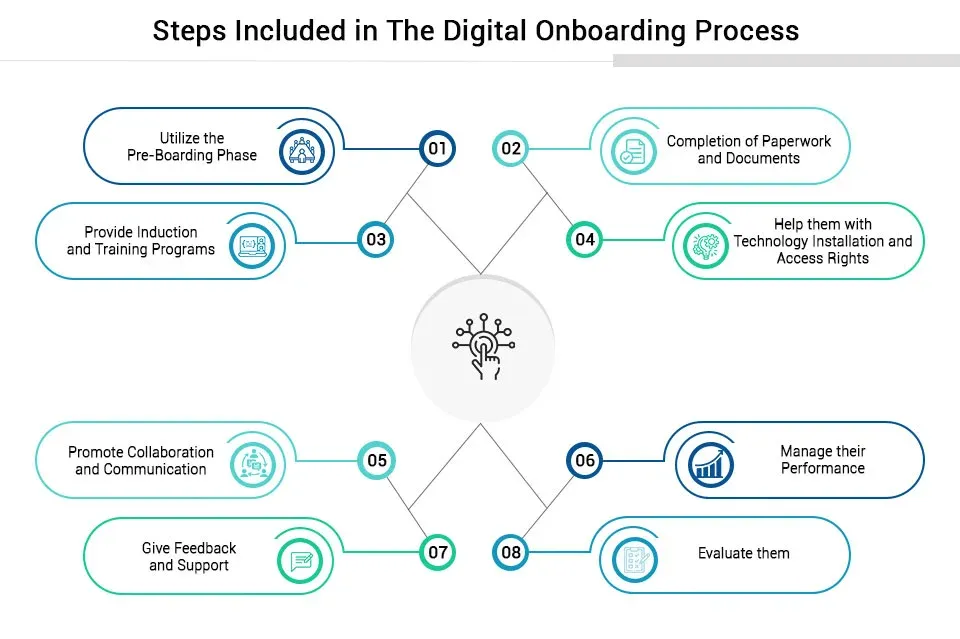
To refine efficiency, banks now employ micro-interactions like guiding users to "adjust lighting" or "retake the image" for better accuracy.
Device metadata, browser fingerprinting, and geolocation help personalize the journey and apply security dynamically.
In advanced markets, adaptive onboarding changes based on risk score: low-risk users breeze through, while flagged cases get enhanced checks. Institutions now monitor these journeys in real time to reduce drop-offs and apply proactive fixes.
Implementing digital onboarding in banking delivers measurable results across speed, cost, compliance, customer experience, and data-driven business growth.
Below is a detailed breakdown designed for both decision-makers and product teams.
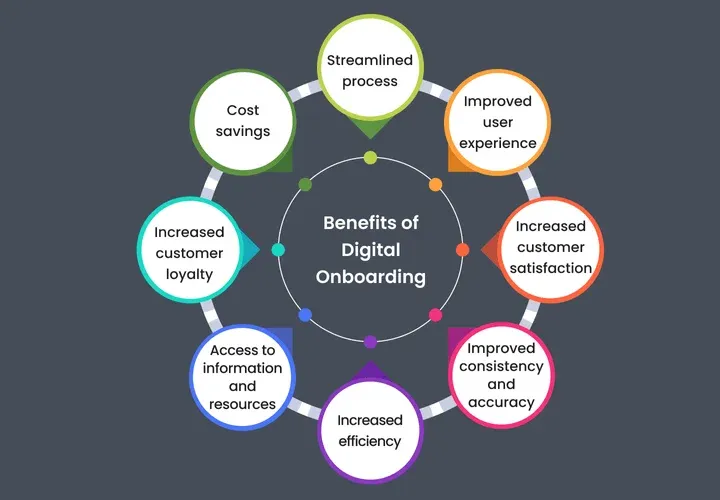
Why it matters: Legacy systems require multiple branch visits, paperwork, and manual verification. This often delays account access by days.
What changes: With digital onboarding in banking, users can open an account in under 5 minutes. Users can access services on any device at any time.
Institutions like Monzo and Chime offer immediate access to virtual debit cards and login credentials, turning onboarding into a real-time interaction.
Key outcomes
• Immediate access builds user trust
• Reduces bounce rates during marketing spikes
• Supports customer acquisition without scaling branch infrastructure
Why it matters: Manual KYC processing costs between $5 and $20 per customer due to staff time and paperwork.
What changes: AI document scanning, biometric verification, and real-time validation reduce onboarding costs to a few cents.
Banks like Revolut and Starling Bank report multi-million-dollar savings annually.
Key Outcomes
• No staff involvement is required at peak loads
• Eliminates physical paperwork
• Enables seamless growth in the customer base
This cost transformation makes digital onboarding in banking a strategic priority for scaling banks.
Why it matters: Compliance failures can result in fines, bad press, and license issues. Manual processes often miss red flags.
What changes: Systems now log every user action, from document uploads to selfie verification, with timestamped accuracy. APIs scan against watchlists and generate automatic risk scores.
Key Outcomes
• Real-time KYC checks reduce fraud
• Risk segmentation ensures targeted due diligence
• Automated documentation strengthens audits
Digital onboarding in banking simplifies compliance while raising the bar on internal accountability.
Why it matters: Rural and underbanked populations lack access to traditional banking.
What changes: With mobile-first onboarding, even essential smartphones can open bank accounts. SIM verification, Aadhaar in India, and UAE Pass integrations reduce entry barriers.
Key Outcomes
• Millions reached in Pakistan through Raast
• Micro-KYC used for digital wallets in Nepal
• Supports unbanked gig workers, women, and youth
Inclusion is no longer a compliance box but a measurable benefit of digital onboarding in banking.
Why it matters: First impressions set the tone. A slow or confusing onboarding process drives users away.
What changes: Real-time feedback, chatbot assistance, and adaptive UX ensure customers complete onboarding confidently. Tools like BotPenguin guide users through multilingual, step-by-step instructions.
Key Outcomes
• Guided nudges like "retake photo" improve form completion
• Auto-fill from scanned IDs simplifies data entry
• Personalized flows increase user satisfaction
By removing entry friction, digital onboarding in banking boosts long-term loyalty.
Why it matters: Manual reviews slow down growth and overburden teams.
What changes: Verified data flows directly to CRM and risk engines. Staff can focus on exceptions rather than input.
Key Outcomes
• Compliance team freed from repetitive tasks
• Shorter time from signup to activation
• Dashboards track drop-offs and bottlenecks
Workflow automation through digital onboarding in banking improves cross-team performance and reduces delays.
Why it matters: Data gathered at onboarding is rich in behavioral and contextual insights.
What changes: Banks use onboarding data to segment users and launch targeted campaigns. This drives product recommendations, upselling, and timely nudges.
Key Outcomes
With intelligent segmentation, digital onboarding in banking becomes a conversion channel, not just a signup form.
As banks transform how customers are onboarded, technology becomes the foundation of trust, speed, and compliance.
These tools aren't just backend add-ons—they directly shape the user experience and define modern banking.
Below are the core technologies enabling successful digital onboarding journeys.
AI powers intelligent document recognition, facial matching, and real-time decision-making.
It also supports fraud detection by identifying anomalies and behavioral inconsistencies during onboarding.
These tools continuously learn from data, making digital onboarding in banking smarter and more secure over time.
OCR software extracts information from scanned ID documents with more than 99 percent accuracy.
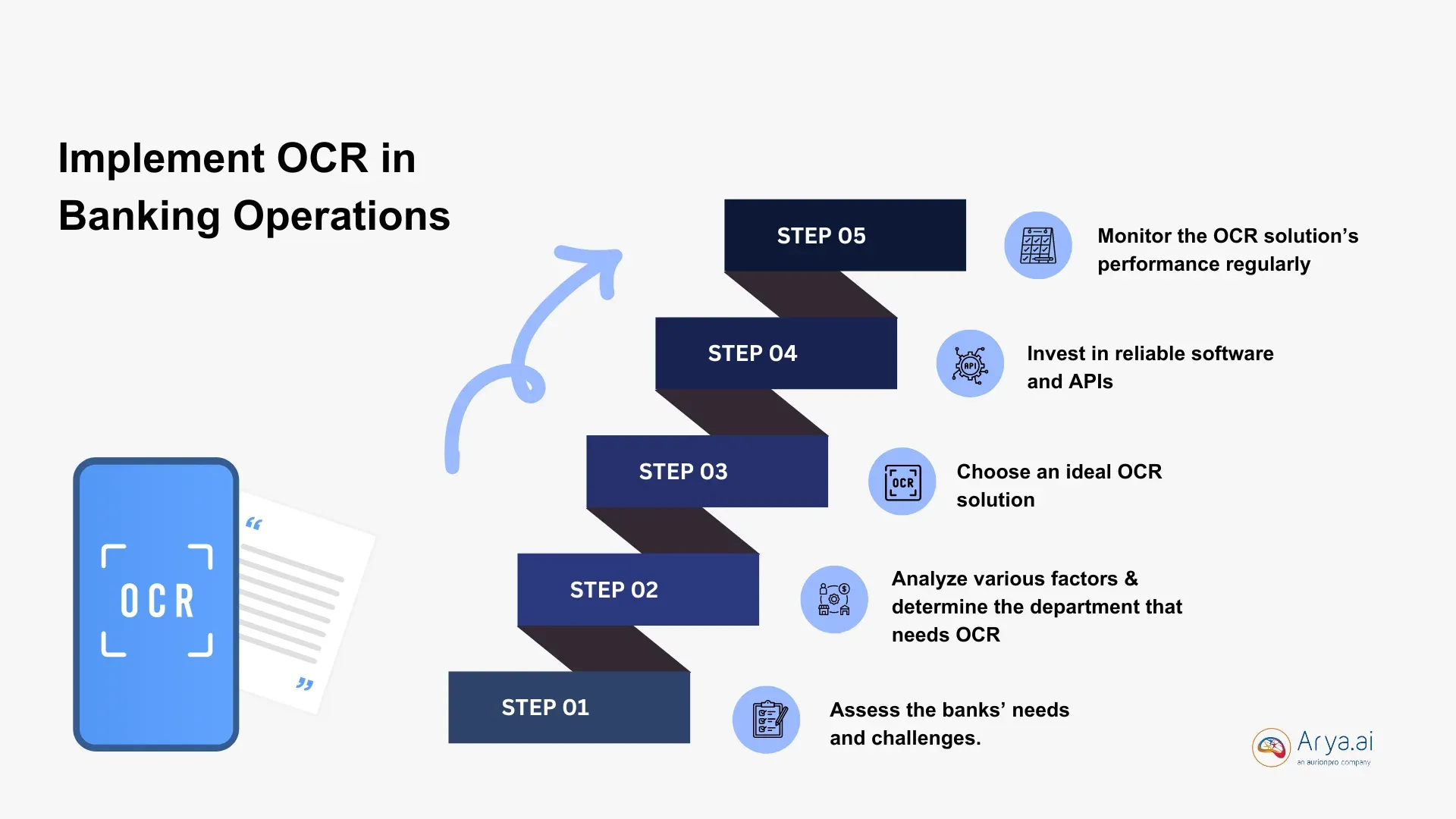
It eliminates manual data entry and speeds up verification processes, a critical part of worldwide digital onboarding in banking systems.
APIs enable seamless connections with national ID frameworks like Aadhaar in India or Emirates ID in the UAE.
These integrations allow banks to perform instant identity checks, making digital customer acquisition faster and fully compliant.
Banks now use facial recognition, fingerprint scanning, and voice verification to authenticate users.
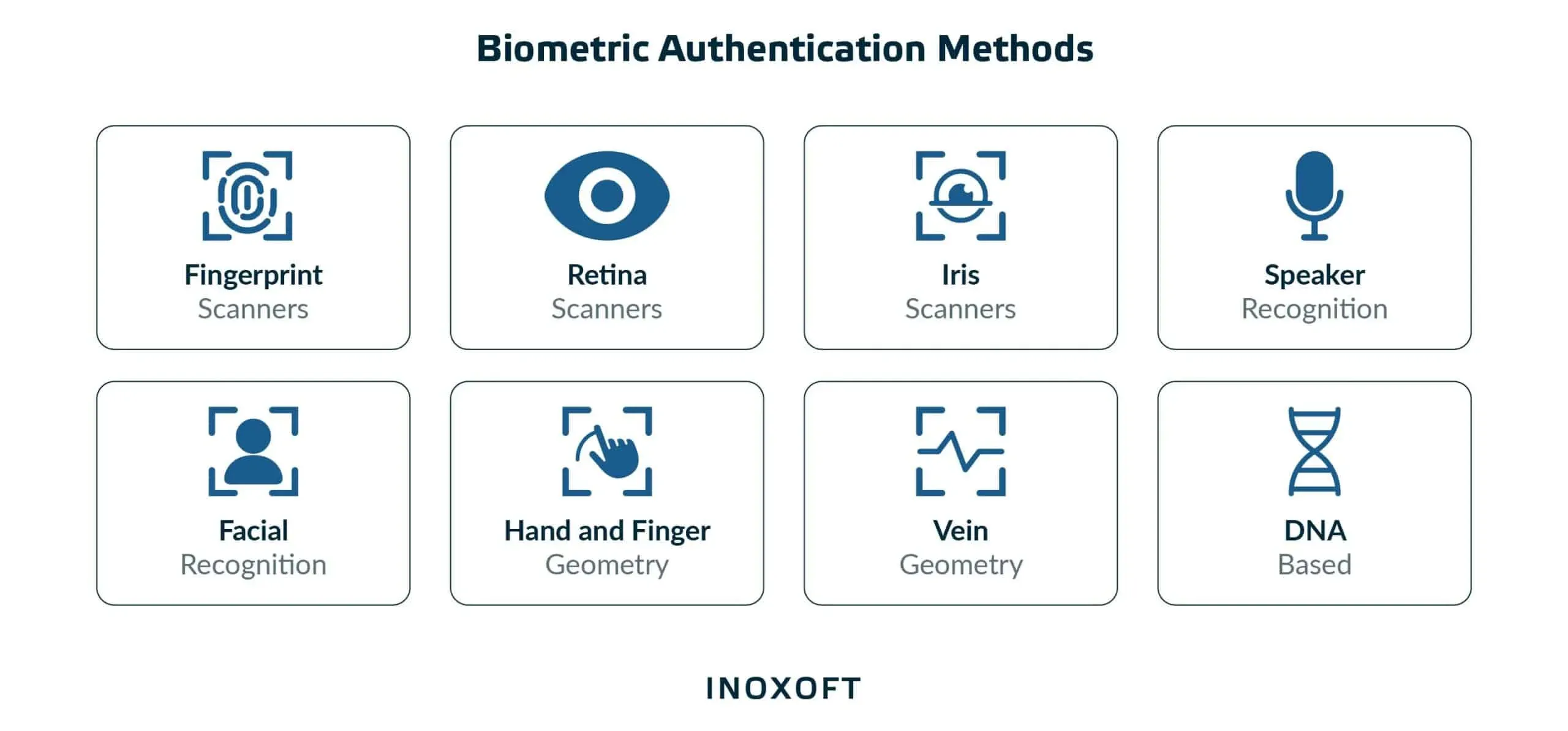
This reduces fraud and enables secure remote onboarding, especially in regions with limited physical branches. These technologies are central to digital onboarding in banking infrastructure in both developed and emerging markets.
Platforms like AppsRhino offer SDKs and customizable onboarding modules. These tools reduce development time and ensure a consistent, scalable experience across Android, iOS, and the web.
By adopting SDKs, banks accelerate the rollout of digital onboarding in banking workflows.
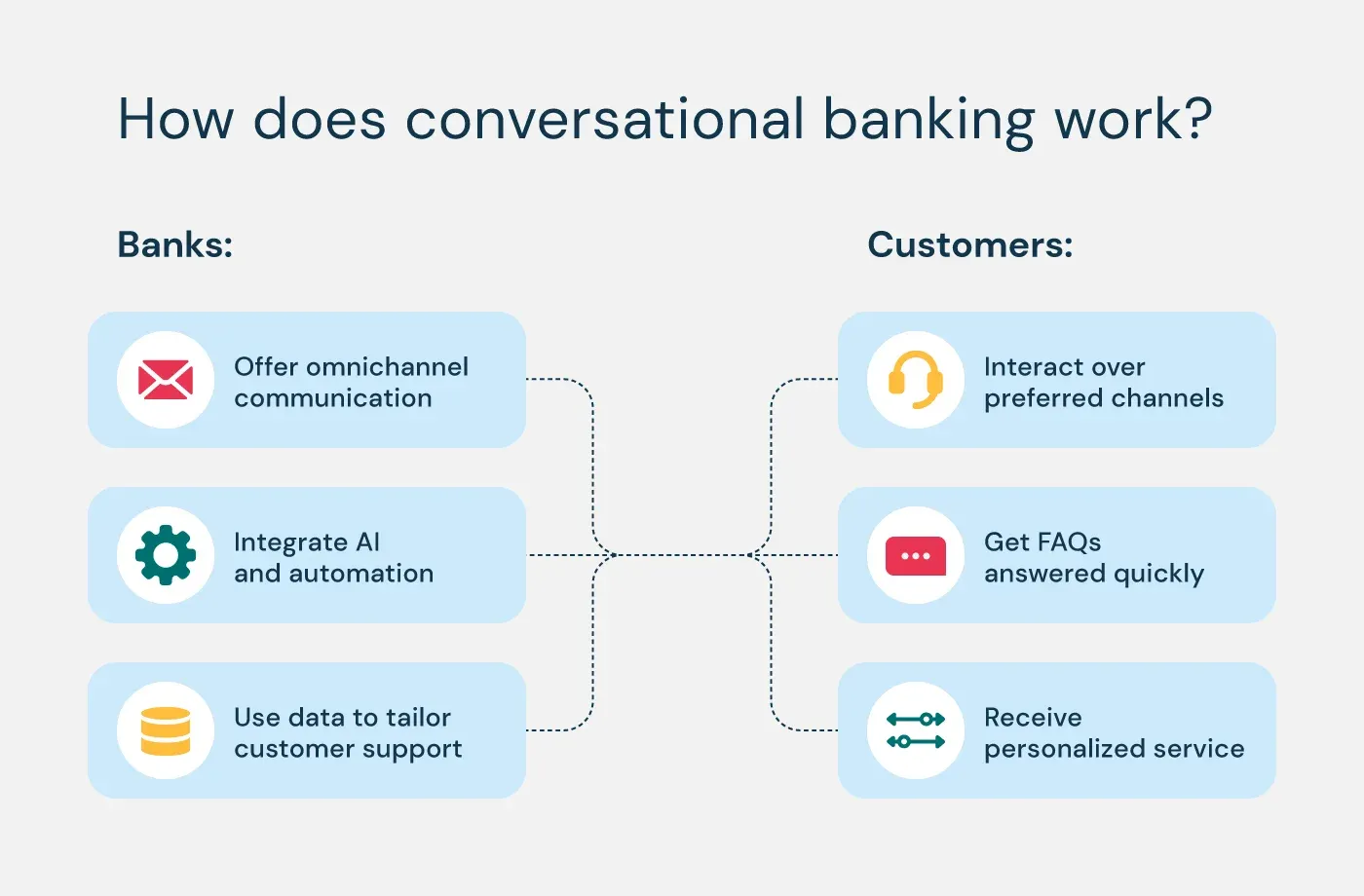
Solutions like BotPenguin provide guided, natural-language interfaces that assist users in completing onboarding steps.
They reduce confusion, improve form completion rates, and are especially effective in multilingual or underserved regions.
Banks use cloud-native services with ISO 27001 certifications to encrypt and store onboarding data. TLS protocols, role-based access, and tokenization protect user information at every stage.
This secure foundation enables the safe scaling of digital onboarding in banking initiatives globally.
Regulatory compliance is non-negotiable in the financial sector.
As banks adopt new technologies, they must ensure that digital onboarding in banking adheres to both global and local regulations, including AML (Anti-Money Laundering), CFT (Countering the Financing of Terrorism), and data privacy laws.
Key Layers of Digital Onboarding Compliance:
Modern digital onboarding in banking also includes behavioral biometrics, such as mouse movements, typing patterns, and device fingerprinting. These non-intrusive data points help banks build silent security layers that prevent spoofing or fraud attempts.
By integrating security into every layer of onboarding, rather than tacking it on afterward, digital onboarding in banking becomes a compliance-first architecture. It empowers banks to scale safely while meeting regulatory expectations across borders.
Despite the growth of digital onboarding in banking, several operational, technical, and regulatory barriers still impact adoption and efficiency.
These challenges vary by region, user behavior, and internal readiness.
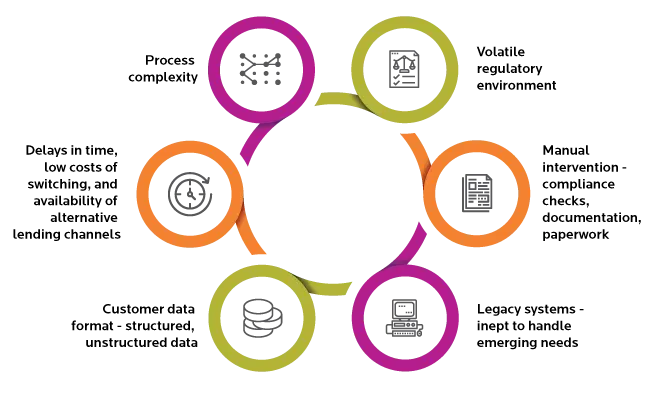
In many parts of South Asia and Sub-Saharan Africa, limited connectivity and outdated devices hinder the onboarding process. Users struggle with slow apps and failed biometric captures.
Challenges include
To expand access, banks are deploying lighter apps and alternative onboarding flows as part of digital onboarding in banking.
Despite encryption and compliance protocols, user mistrust around data privacy and biometric misuse remains a key barrier, especially in regions without strong legal frameworks.
To address this
This trust-building is crucial to scale digital onboarding in banking beyond urban early adopters.
Laws around identity, consent, and data storage vary across countries, requiring banks to tailor onboarding flows to each legal environment.
What banks must manage
Compliance agility is key to successfully scaling digital onboarding in banking across multiple markets.
New systems impact every internal team—from fraud analysts to marketers—and resistance to change can block digital transformation.
Training gaps appear in
Upskilling teams is as vital as tech upgrades in making digital onboarding in banking work.
Many users abandon onboarding midway due to friction, confusion, or poor app performance, affecting conversion metrics and ROI.
Common reasons include
Reducing friction points is critical to increasing the success of digital onboarding in banking systems.
These success stories show how banks and fintechs use digital banking onboarding to boost efficiency, scale faster, and reach new customer segments.
Monzo enables new users to open a bank account entirely through their mobile app in under five minutes. With instant ID verification, a quick selfie, and real-time approvals, users immediately gain access to a virtual card.
Backed by scalable cloud infrastructure, Monzo's onboarding sets a standard for speed and UX in digital banking.

After adopting UAE Pass and facial biometrics, Emirates NBD reduced average onboarding time by 60%. In 2024, they onboarded over 150,000 users digitally during Ramadan promotions.
This rollout highlights how digital banking onboarding improves compliance and customer acquisition when integrated with local identity systems.
A fintech in Bangladesh used BotPenguin to automate multilingual onboarding with chatbot guidance. Supporting Bengali, Urdu, and Hindi users reduced confusion and increased completions by 34%.

This example shows the value of conversational AI in delivering accessible digital onboarding in banking.
Leveraging Aadhaar eKYC and mobile-first flows, Paytm allows users across India to open accounts in minutes.
Their simplified onboarding—tailored for low-end Android phones—has led to over 10 million signups in recent campaigns. This proves how digital onboarding in banking can drive inclusion at a massive scale in emerging markets.
As technology evolves, digital onboarding in banking is poised to move beyond forms and selfies into an era of intelligent, context-aware user experiences.
The next wave isn't just about speed—it's about making onboarding feel invisible, intuitive, and built into daily life.
What's Next?
As AI matures, onboarding will become smoother, safer, and invisible. By removing steps, banks will increase signups and loyalty while ensuring full regulatory compliance.
In 2025 and beyond, digital onboarding in banking is a cornerstone of modern finance. It reduces acquisition costs, supports compliance, empowers users, and drives financial inclusion across geographies.
Banks that embrace secure, flexible, and AI-powered onboarding flows are already reaping the rewards—more users, higher retention, and faster time-to-revenue.
Platforms like AppsRhino make it easy to build the front end, while BotPenguin chatbots ensure no customer is left behind in the funnel.
The future belongs to banks that turn friction into opportunity, starting from the first step: onboarding.
Custom Development
7 Apr 2026
Tell us what your business actually runs on today, and we will map what it takes to make it one system.