


Custom Development
Alcohol Delivery Market Share and Trends: Size, Growth, & Business Opportunities
7 Apr 2026
Shipment tracking has become a cornerstone of modern logistics and e-commerce. Today’s consumers demand transparency — 87% prefer real-time tracking over periodic updates.
On the business side, the scale is staggering. In 2020, over 20 billion parcels were shipped in the U.S., generating $71 billion in revenue (Source: Pitney Bowes Parcel Shipping Index).
Traditionally, tracking required entering a number on a carrier’s website.
Now, shipment tracking software automates and consolidates this process across multiple carriers and shipping modes. It provides real-time location updates, delivery estimates, and transit logs—all in one interface.
This improves customer satisfaction, reduces support queries, and helps businesses manage shipping at scale. Adopting robust delivery tracking software is strategic for brands aiming to compete in a fast-paced delivery economy.
Shipment tracking software (also known as delivery tracking software) is a digital tool (usually a cloud-based platform or app) that enables businesses to monitor the status and location of shipments from dispatch to delivery.
It simply answers the question: “Where is my package now, and when will it arrive?”
This software provides end-to-end visibility by pulling data from various sources – carrier scans, GPS devices, barcode/RFID scans, and more into one unified dashboard.
Companies use it to track parcels, freight, or orders in real time across different carriers and transportation modes.
By consolidating all this information, this delivery tracking software helps businesses reduce lost packages and delays, proactively handle exceptions, and keep customers informed.
It’s widely used in e-commerce, retail, manufacturing, and logistics to improve on-time delivery and customer satisfaction.
Effective shipment tracking software comes packed with features that streamline logistics, reduce delivery errors, and ensure customer satisfaction.
From real-time visibility to branded experiences, these tools help businesses optimize every aspect of the delivery cycle.
Below are the essential features every robust shipment tracking software should offer.
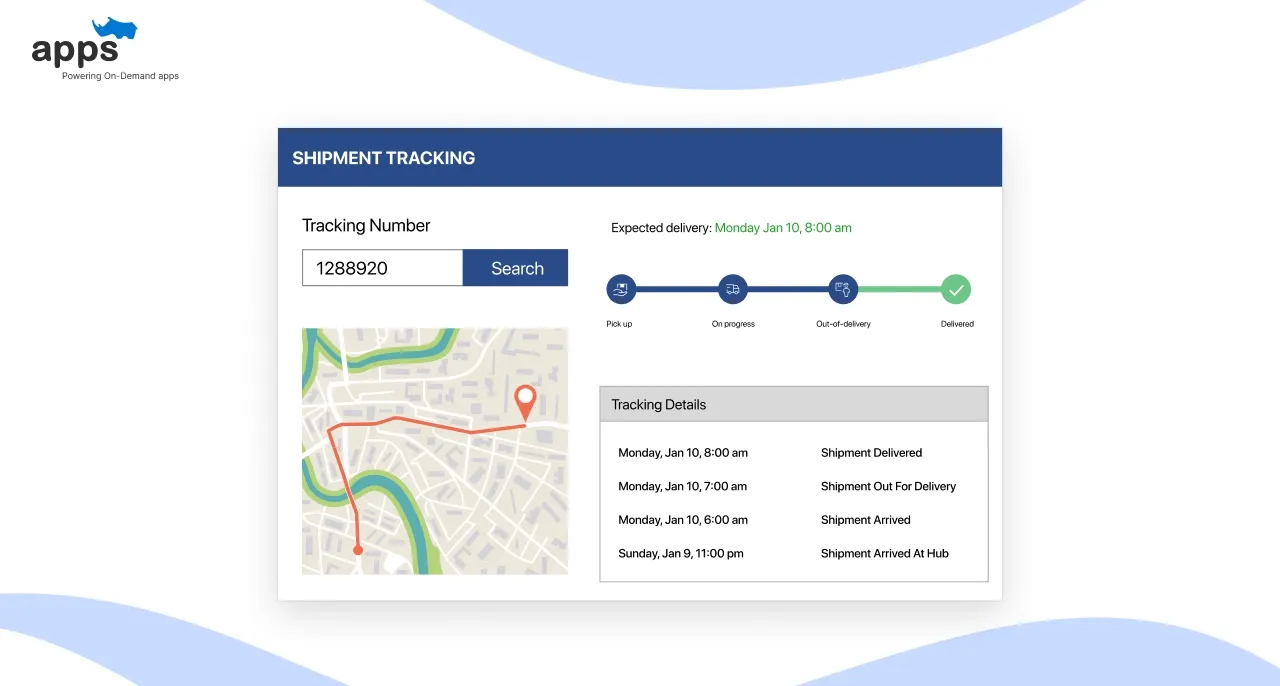
Shipment tracking software provides real-time GPS tracking, allowing logistics managers and customers to view the live location of packages on a map. This reduces uncertainty and improves planning on both ends.
Live tracking is beneficial during high-volume shipping seasons, where visibility into transit delays can help reroute resources and avoid customer dissatisfaction.
Shipment tracking software sends automated alerts at each milestone, pickup, transit, out for delivery, and final delivery. These can be delivered via email, SMS, or push notifications.
Proactive updates eliminate the need for “Where is my order?” queries and build trust through transparency. Businesses can also customize notification rules based on customer type or shipping method.
Many shipment tracking software platforms support branded tracking portals. These let businesses show tracking data on a custom webpage with their logo, colors, and messaging.
Rather than redirecting users to a third-party carrier, branded pages keep customers on-site and even open opportunities for promotions or upsells.
Top shipment tracking software integrates with hundreds of global and regional carriers like FedEx, DHL, USPS, and UPS. This eliminates the need to juggle between multiple platforms.
The software normalizes various carrier status codes into one format, ensuring consistency and easier management for operations teams.
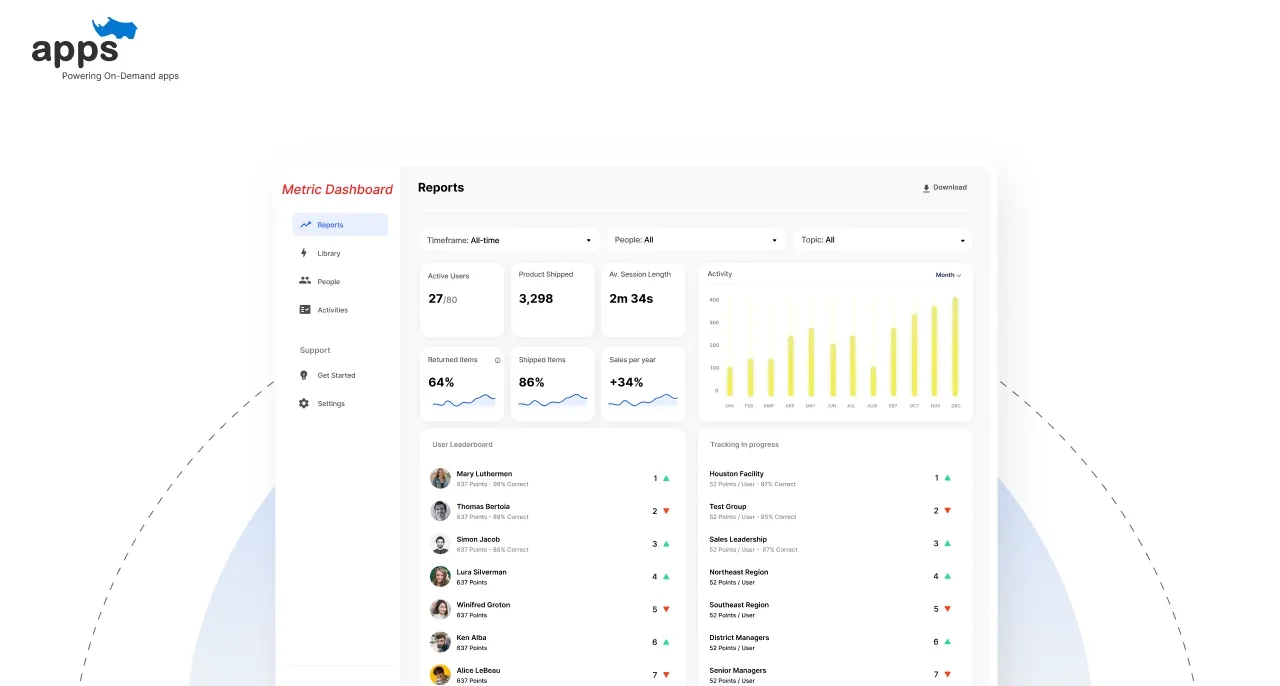
Analytics dashboards help businesses monitor performance indicators such as average transit time, on-time delivery rates, and carrier delay frequency.
Shipment tracking software turns tracking data into actionable insights that drive better decision-making and continuous improvement.
When delays, holds, or other disruptions occur, the software flags them as exceptions. This enables customer service and logistics teams to respond quickly.
By catching these issues early, shipment tracking software minimizes failed deliveries and enhances customer satisfaction.
Most shipment tracking software solutions include mobile apps or responsive web portals. These allow delivery agents to scan packages and update status in real time.
Customers also benefit from the ability to check their order status anytime, anywhere. Mobile accessibility enhances the convenience and responsiveness of the entire delivery process.
Electronic proof of delivery, including signatures or photos, is captured during drop-off. This closes the loop on fulfillment.
By confirming successful handover, shipment tracking software helps resolve disputes quickly and ensures accountability.
Together, these features make shipment tracking software a location tool and a full-suite solution for delivery visibility, efficiency, and customer engagement.
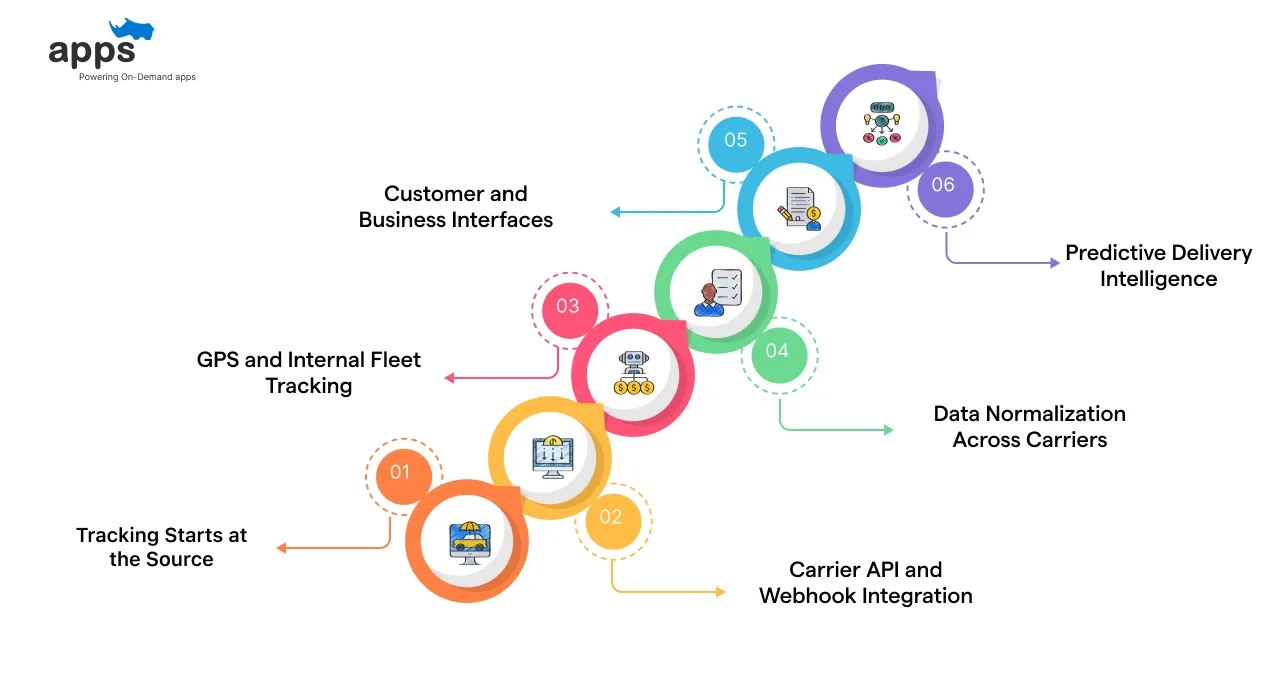
Modern shipment tracking software acts as the command center of delivery visibility.
It collects and standardizes data across multiple systems—carrier APIs, GPS signals, and scan events to provide a unified, real-time shipment view.
Let’s walk through how this technology works at each journey step.
Each shipment begins with a unique tracking identifier—typically a barcode, QR code, or RFID tag. This identifier is assigned when the package is labeled and packed at the warehouse.
The software then tracks that ID through multiple scan points, as given below.
Each scan is automatically recorded and synced with the shipment tracking software, making a continuous digital trail visible to the sender and receiver.
Most shipment tracking software connects directly to major carrier systems through secure APIs to ensure real-time tracking.
These APIs allow automatic retrieval of the following data.
Some advanced carriers also use webhooks—tools that instantly push updates to the software when a scan occurs. This minimizes data lag and improves delivery transparency.
The software uses multiple tools to maintain real-time visibility for businesses managing their own delivery fleets.
The tools are given below.
This combination ensures complete control over vehicle locations and ETAs, helping companies improve routing efficiency, reduce delays, and enhance customer trust.
Different carriers often use inconsistent status labels—one might say “In Transit” while another uses “Shipped.”
To avoid confusion, shipment tracking software applies data normalization, which converts the following.
Into a standardized system that ensures uniformity across all tracked deliveries, making it easier for teams and customers to interpret status updates.
When users check on their deliveries, shipment tracking software provides a simplified, branded view.
They are as follows.
For internal teams, dashboard views support real-time operations monitoring and customer service management at scale.
Advanced shipment tracking software platforms go beyond static updates.
They use predictive analytics to anticipate delivery outcomes by evaluating.
These insights allow the software to forecast potential delays, update ETAs proactively, and trigger alerts to keep businesses and customers informed.
"Shipment tracking software transforms logistics data into real-time visibility, intelligent alerts, and customer confidence."
By fusing data from scans, GPS, APIs, and predictive analytics, the software ensures every shipment is traceable, transparent, and under control—empowering businesses and buyers at every step.
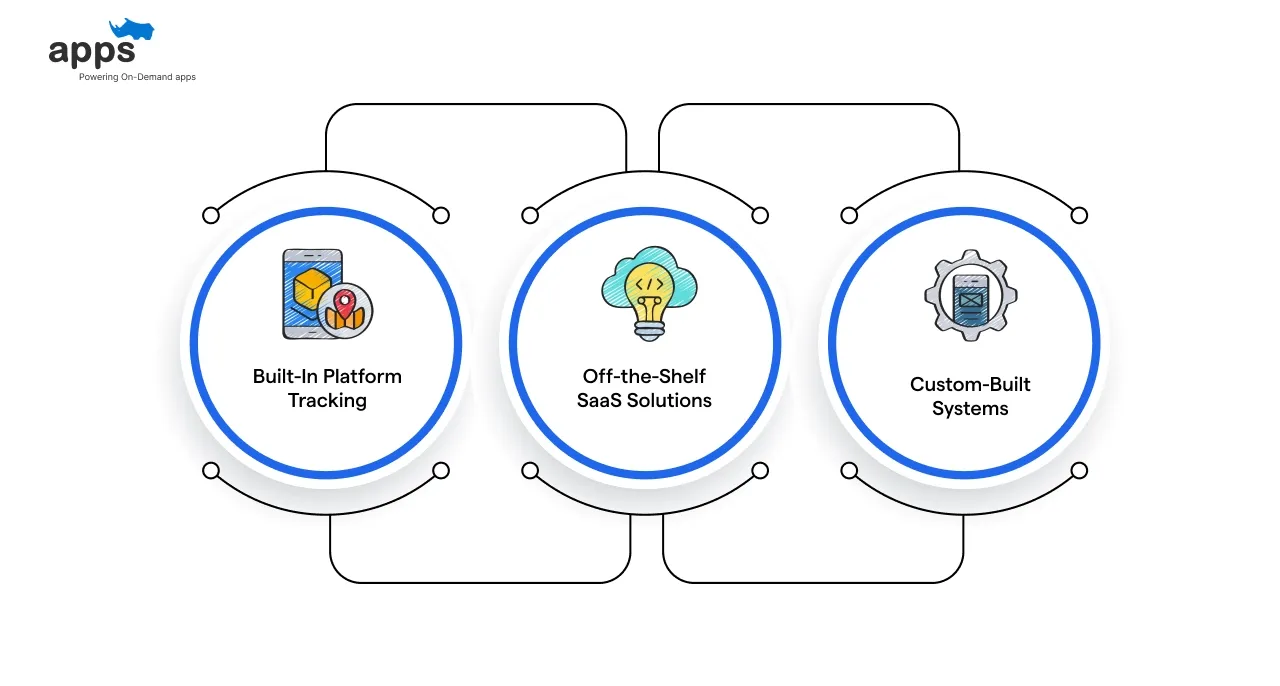
Not all shipment tracking software is created equal. The best fit depends on your business size, shipping volume, technical needs, and budget.
Below are the three main types of tracking solutions available today.
This type is often bundled with e-commerce platforms or shipping tools. Examples include Shopify’s native order tracking or tracking dashboards inside seller marketplaces like Amazon or Etsy.
However, they may lack advanced features like multi-carrier support, analytics dashboards, or real-time exception alerts. As a result, they’re best suited for small businesses with low shipping complexity.
These are third-party shipment tracking software platforms offered on a subscription basis. Examples include AfterShip, Route, and Narvar.
They provide a good balance of features and affordability but follow a standardized product model. This means businesses must adapt slightly to the way the tool operates.
Larger enterprises or businesses with particular needs may opt for a custom delivery tracking software solution. This involves developing an in-house system or outsourcing the build to developers or logistics software vendors.
The downside? High upfront cost, longer development time, and ongoing maintenance. This path is typically chosen when off-the-shelf tools cannot meet unique operational demands.
Smaller businesses often start with built-in tools or SaaS platforms for easy use and quick deployment. Enterprises dealing with massive volumes or custom workflows may justify the investment in a tailored solution.
The right shipment tracking software balances features, flexibility, and cost, delivering immediate value and long-term scalability.
Adopting modern shipment tracking software is no longer just a logistics upgrade—it’s a competitive advantage. Whether a startup or a global enterprise, the right delivery tracking software can transform your operations, customer service, and overall brand value.
Below, we explore how this technology benefits both businesses and their customers.
Shipment tracking software delivers measurable value across cost, efficiency, and visibility. It helps logistics teams move from reactive to proactive operations while keeping customers informed and satisfied.
Shipment tracking software gives operations teams real-time visibility across the entire delivery chain. Instead of manually chasing updates, businesses can act on accurate data to streamline dispatches and avoid costly delays.
With delivery tracking software, customers have self-service access to tracking data. This reduces dependency on support teams and improves the overall post-purchase experience.
Shipment tracking software helps reduce missed deliveries, duplicate shipments, and excessive last-mile costs. It also improves route planning, which can lower logistics expenses over time.
Brands use delivery tracking software to keep customers informed throughout the delivery lifecycle. This level of communication builds trust and directly impacts retention.
The analytics dashboards built into most shipment tracking software platforms give businesses powerful insights into shipping performance and customer behavior.
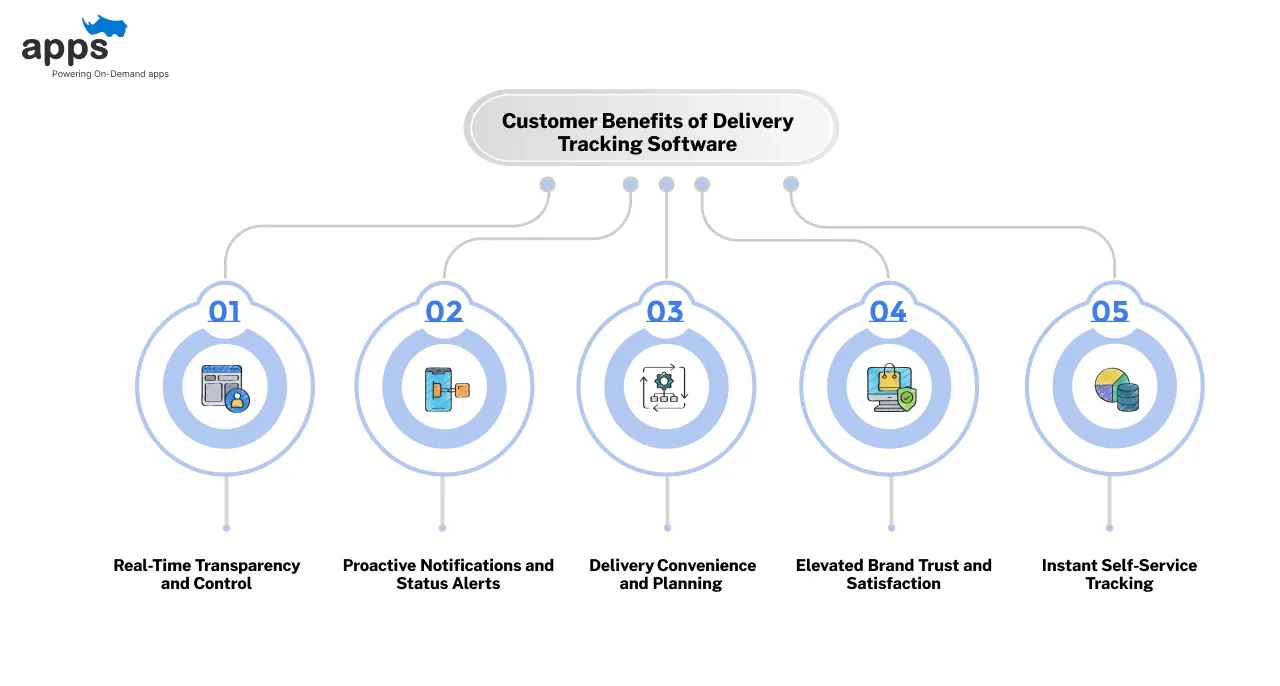
Customers expect transparency and control when ordering online. Delivery tracking software helps meet these expectations by turning order tracking into a value-added buying experience.
With shipment tracking software, customers don’t need to wonder where their order is. They can see location updates and ETAs instantly.
Delivery tracking software sends customers automated SMS or email updates as their order moves through different journey stages.
Customers can plan their schedules around the estimated delivery date and ensure someone is available to receive the package.
When customers can track orders from checkout to doorstep, they perceive the brand as reliable and professional.
With delivery tracking software, customers can check on their shipment any time, without contacting support.
Shipment tracking software is no longer just an internal operations tool. It’s a customer-facing asset that drives loyalty, reduces costs, and keeps businesses competitive.
Suggested Reading:
30 best shipment tracking software- Compared and Reviewed
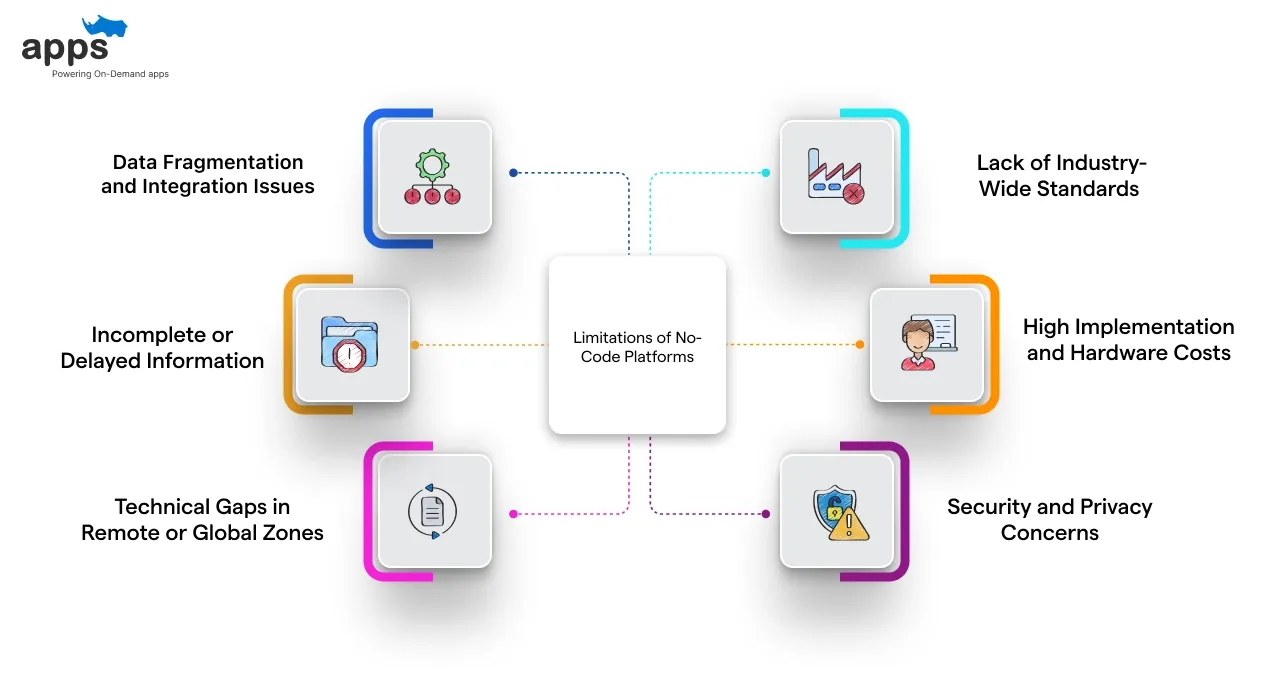
While modern shipment tracking software provides powerful end-to-end visibility, it has limitations.
Even the most advanced delivery tracking software can run into data accuracy, connectivity, and integration issues, especially when coordinating across carriers, borders, and devices.
Many logistics operations struggle to unify tracking data across multiple carriers and freight partners. If your shipment tracking software lacks seamless API integration with regional or international providers, it can lead to blind spots in your visibility.
Customers experience this as partial or delayed updates, while internal teams must juggle multiple tracking dashboards. Failure to integrate with systems like WMS or ERP further fragments your data.
There’s no global standard for shipping statuses, scan events, or tracking terminology. This makes it difficult to consolidate data across different regions and shipping providers, especially in international operations.
While initiatives like UN/CEFACT’s Smart Container Data Model are working toward consistency, they haven’t seen widespread adoption yet. Most businesses are left handling data normalization manually or through custom-coded middleware.
One of the most frustrating limitations of shipment tracking is stale data. A package might be moving but hasn’t been scanned in hours, or customs checkpoints and international handoffs may go unreported entirely.
According to a report by FinTech Global, 69% of businesses believe they lack the necessary visibility over their supply chains to protect their reputations. Incomplete tracking leads to more “Where’s my order?” inquiries and lower satisfaction.
Sophisticated tracking infrastructure—like GPS-enabled containers or IoT sensors—is expensive to roll out and maintain. This creates a barrier for small and mid-sized businesses looking to compete with more prominent players.
For instance, GPS tracking devices for containers can cost between $75 and $150 each, not including service fees and software integration costs.
No tracking system is perfect in low-signal environments. Steel shipping containers, remote rural areas, and congested port zones often interfere with real-time updates. When the signal is lost, tracking halts, causing panic for customers and logistics teams.
According to a report by Supply Chain Dive, only 6% of companies report complete visibility on their supply chain.
Live tracking data—especially GPS coordinates and delivery timelines—can become a liability if exposed. Fraudsters could intercept or spoof tracking pages, and overexposure of delivery information may lead to privacy breaches.
For companies in healthcare, defense, or luxury goods, the stakes are even higher. Protecting every touchpoint where shipment data is accessed or shared is critical.
To truly unlock the full potential of shipment tracking software, businesses must first understand the real-world roadblocks they may face. Below is a breakdown of common limitations and how advanced delivery tracking software helps overcome them.
Limitation | Solution |
| Data Fragmentation Across Carriers | Use shipment tracking software with built-in APIs + middleware for unified integration. |
| Inconsistent Terminology & Status Codes | Opt for platforms with automated data normalization across global carriers. |
| Missing or Delayed Updates | Enable webhook push notifications and predictive ETA engines to fill gaps. |
| High Upfront Costs for IoT Tracking | Start with SaaS delivery tracking software and scale into hardware upgrades gradually. |
| Remote Area Connectivity Issues | Use multi-network devices with syncing and fallback mechanisms. |
| Security & Privacy Risks | Choose software with role-based access, encryption, and secure token-based tracking links. |
Selecting the best shipment tracking software (or delivery tracking software) for your needs requires careful consideration of several factors. Here are some steps and tips to guide your decision.
Start by identifying what problems you need the tracking software to solve. What are your primary pain points? Are customers complaining about a lack of updates? Are you dealing with lost shipments or inefficient manual processes?
Note if your issues are due to a lack of visibility, customer dissatisfaction from delayed deliveries, or trouble handling shipping exceptions.
Also consider volume (how many shipments you handle daily) and which carriers/modes you use.
Look for software that offers the features to address your needs. For example, multi-carrier support and customs tracking are essential if you ship internationally.
Make a list of must-have features (real-time map tracking, notifications, integrations, analytics, etc.) and nice-to-haves. Then compare vendors, keeping your budget in mind.
Pricing can vary widely (some charge per shipment, others a flat subscription). Ensure the solution is scalable if your business grows.
The tracking software should mesh well with your existing operations. Verify it can integrate with your order management system, warehouse software, e-commerce platform, or other tools.
A good solution will have APIs or out-of-the-box plugins for popular systems.
Also, evaluate the user interface for your team and customers. It should be intuitive and not require extensive training. Key factors include cost, scalability, integration, and ease of use when evaluating options.
Do some homework on the providers you’re considering. How reliable is their service (any history of downtime)? Do they update the software regularly with new features and carrier integrations?
Reading reviews on platforms like G2, Capterra, or Clutch can provide insight into absolute user satisfaction.
Look for testimonials or case studies in your industry – e.g., if you’re an online retailer, has the vendor successfully worked with similar retail brands?
Most shipment tracking software companies offer a free trial or demo. Use these to see the software in action with your data.
Test the integration with your systems during a trial and try tracking a few actual orders to see how the information flows.
This hands-on approach will show whether the solution meets your expectations and can seamlessly integrate with your operations. It’s also a chance to involve your team (warehouse managers, customer service reps, etc.) to get their feedback on the tool.
Following these steps, you can confidently narrow down the field and choose a tracking solution that fits your business. The right choice will be the one that balances functionality, usability, and cost, and ultimately makes your shipping process more transparent and efficient.
Many shipment tracking software solutions are on the market (often called delivery tracking software). Below are some of the top options for 2025, spanning various use cases from e-commerce to freight.
A popular cloud-based shipment tracking software platform used by e-commerce businesses of all sizes.
An enterprise-grade post-purchase experience solution used by major retail brands.
A leading shipment tracking software platform for post-purchase operations, known for its robust tracking and communication features.
A top choice for supply chain and logistics professionals, project44 is a real-time transportation visibility platform.
Honorable mentions: Other notable tools include ShipStation (which combines shipping label management with tracking updates), Route (a customer-facing package tracking app for online orders), FourKites and Motive (for enterprise freight visibility), and ParcelPanel (a top-rated tracking app for Shopify merchants).
Each option has strengths, so the “best” choice depends on your needs. It’s wise to compare several providers' features, pricing, and reviews before deciding.
The future of shipment and delivery tracking is poised to be even more real-time, data-driven, and proactive. Emerging technologies are transforming what’s possible in this space.
In short, tracking systems will increasingly not just report where a shipment is, but also anticipate where it should be and flag potential issues before they happen.
Businesses that embrace these advances will be able to deliver a smoother, more reliable experience, delivering on customer expectations with agility and confidence.
Shipment tracking software has evolved from a convenience into a critical logistics and customer experience tool. It empowers businesses with real-time visibility, operational efficiency, and the ability to meet rising consumer expectations for transparency.
Throughout this guide, we’ve covered how delivery tracking software works, its benefits, and how to navigate implementation challenges.
In today’s fast-moving digital economy, shipment tracking software bridges operational excellence and customer trust. Whether you're managing eCommerce deliveries, B2B shipments, or third-party logistics, choosing the right platform is essential for staying competitive.
For a tailored solution, AppsRhino offers custom logistics and delivery app development. Their team builds scalable, real-time tracking tools to meet your unique business needs. As order volumes grow and expectations soar, now is the time to invest in a solution that keeps your supply chain strong and your customers informed.
Custom Development
7 Apr 2026
Tell us what your business actually runs on today, and we will map what it takes to make it one system.