
Custom Development
Alcohol Delivery Market Share and Trends: Size, Growth, & Business Opportunities
7 Apr 2026
Digital employee onboarding uses digital tools and technologies to welcome and integrate new hires into a company.
It replaces traditional methods like in-person paperwork and single-day orientations with seamless, tech-enabled experiences.
In today’s hybrid and remote-first work environments, significantly accelerated by the COVID-19 pandemic, companies increasingly depend on digital onboarding tools and employee onboarding software to streamline every step of the onboarding journey.
This approach includes self-service portals, e-signature solutions, automated task workflows, video training, and team collaboration platforms. These tools ensure every new employee receives a consistent, efficient, personalized welcome, regardless of location or department.
For HR leaders, investing in digital employee onboarding is not only about convenience—it’s about performance.
According to a report, companies with an intense onboarding process improve new hire retention by 82% and productivity by over 70%. That’s why digital onboarding has become a must-have for modern enterprises.
Effective onboarding significantly impacts retention and productivity. Structured onboarding programs can boost new-hire retention by around 50%.
New employees who experience an intense onboarding process are also more committed: a BambooHR study found that new hires with a stellar onboarding experience were 18 times more committed to their employer.
Conversely, a poor onboarding experience can drive turnover: 50% of new hires may leave within 18 months if onboarding is inadequate or too cumbersome.
By contrast, companies with robust digital employee onboarding see engagement soar because personalized guidance and early involvement give new hires confidence and clarity.
According to industry surveys, using digital onboarding tools can substantially improve productivity and reduce training time (by up to 70%).
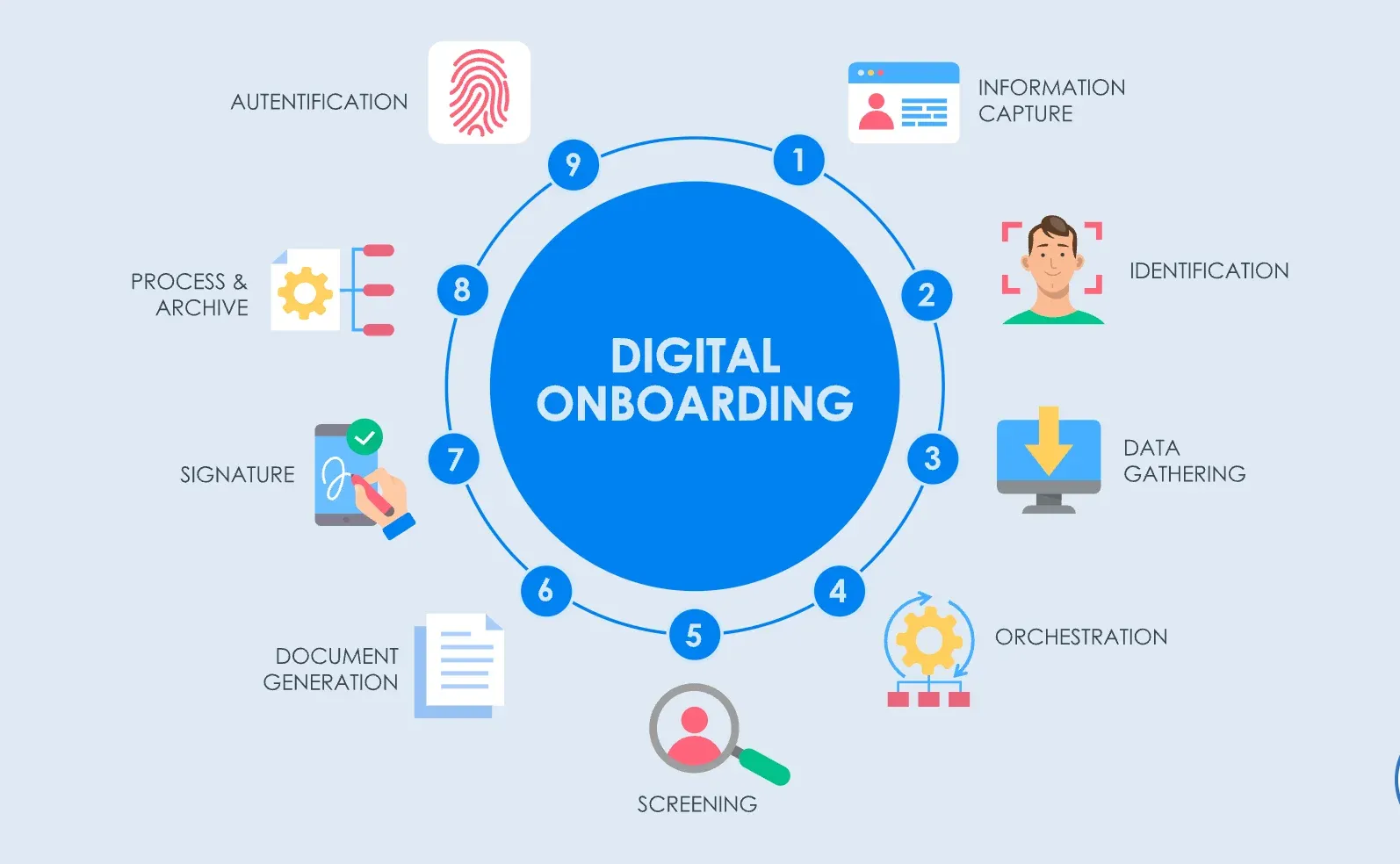
Digital onboarding platforms replace many manual tasks with automated workflows.
For example, onboarding automation can eliminate paperwork: new hires fill out tax forms, employment agreements, and benefits elections through secure online forms with built-in data verification.
By using these employee onboarding software capabilities, companies reduce errors and free up HR to focus on personal engagement.
Traditional onboarding often relies on in-person paperwork and orientation meetings, which can be inconsistent and time-consuming. In many organizations, over half (58%) admit their onboarding program is focused on administrative paperwork.
This old-school approach can overwhelm new hires and cause disengagement.
In contrast, digital employee onboarding creates a standardized, scalable experience. Online portals replace paper forms; instead of filling in duplicate information on multiple forms, new hires enter data once, and the system populates it across all records.
Access to resources is immediate: policies, videos, and training are available on demand. Digital onboarding eliminates administrative bottlenecks by digitizing processes and ensures employees receive the same high-quality welcome.
This consistency is especially critical for remote onboarding in hybrid teams, where people might never meet in person.
Aspect | Traditional Onboarding | Digital Employee Onboarding |
| Paperwork | Manual forms, repeated data entry | E-signatures and auto-filled digital forms |
| Process Consistency | Varies by department or manager | Standardized workflows across all roles and locations |
| Speed & Efficiency | Time-consuming, often delayed | Instant access to training, resources, and tools |
| Scalability | Difficult to scale across multiple locations | Easily scalable for growing or remote teams |
| Employee Experience | Can feel disjointed or impersonal | Personalized, guided onboarding journeys |
| Accessibility | In-person meetings and physical resources required | 24/7 access to materials from any device or location |
| Remote Onboarding | Rarely possible or effective | Built to support hybrid and remote-first workplaces |
| Tracking & Analytics | Minimal tracking or reporting | Real-time progress tracking and data-driven insights |
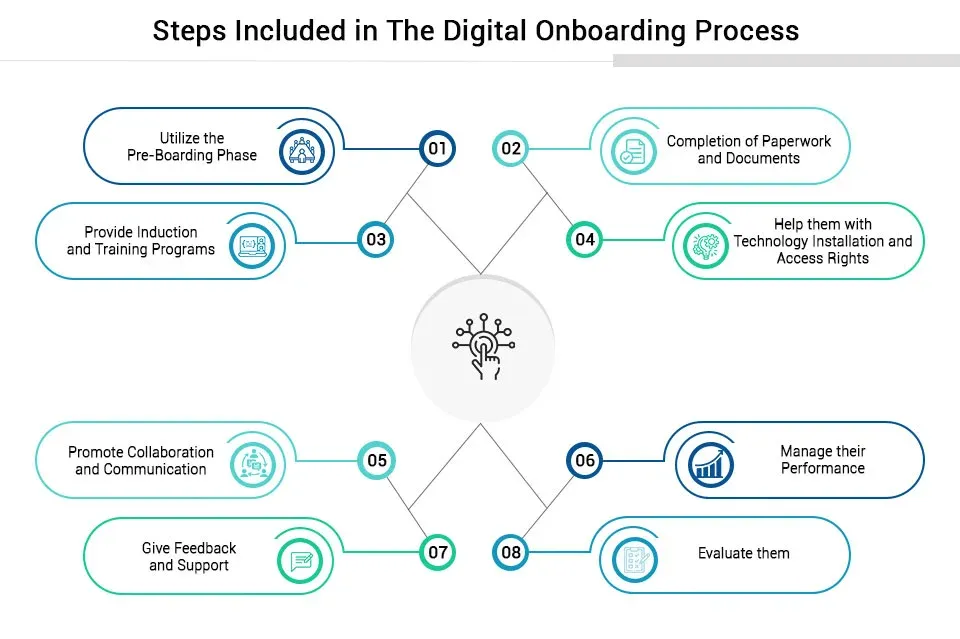
A truly effective digital employee onboarding journey is more than a checklist—it’s a seamless, multi-phase process that helps new hires transition from candidates to confident contributors.
Supported by employee onboarding software and digital onboarding tools, each phase is optimized through automation, self-service, and role-specific content.
Let’s break it down into the four major stages of modern digital employee onboarding.
Pre-boarding begins the moment a candidate accepts the offer. It’s your chance to excite, engage, and equip them—well before their official start date.
Through digital employee onboarding, companies automate early processes and create a warm, branded first impression.
Pre-boarding Steps are highlighted below.
Pre-boarding ensures the new hire arrives informed, confident, and connected from day zero.
Day One should be more than orientation—a chance to show your company’s values.
HR teams use digital onboarding tools to guide new hires through a structured experience combining automation and personal connection.
Day One Activities are highlighted below.
This structured experience eliminates delays, reduces confusion, and builds momentum from the beginning.
The first week deepens employee engagement, confidence, and alignment. It’s when new hires truly begin performing in their role.
Through digital employee onboarding, companies ensure that structured learning and human connection happen side by side.
First Week Milestones are highlighted below.
By week’s end, employees are no longer “new”—they’re integrated, productive, and mission-aligned.
Great onboarding doesn’t end in a week.
A robust digital employee onboarding program supports learning, feedback, and development over several months, ensuring long-term retention and role mastery.
Ongoing Digital Onboarding Tasks are highlighted below.
This continuous support keeps employees growing, self-aware, and aligned with your company’s success metrics.
Digital employee onboarding is only as effective as the tools that support it. Below is a carefully curated list of platforms that help businesses streamline onboarding, from paperwork automation and compliance to team introductions and remote training.
Each tool listed uniquely enhances the onboarding experience, helping HR teams reduce manual tasks, ensure consistency, and boost early employee engagement.
BambooHR is ideal for small and medium businesses seeking a clean, structured approach to onboarding. With a strong focus on automation and user experience, it simplifies HR workflows from the first step.
Key Features include.
BambooHR is best suited for businesses scaling rapidly and seeking a reliable digital employee onboarding experience with minimal friction.
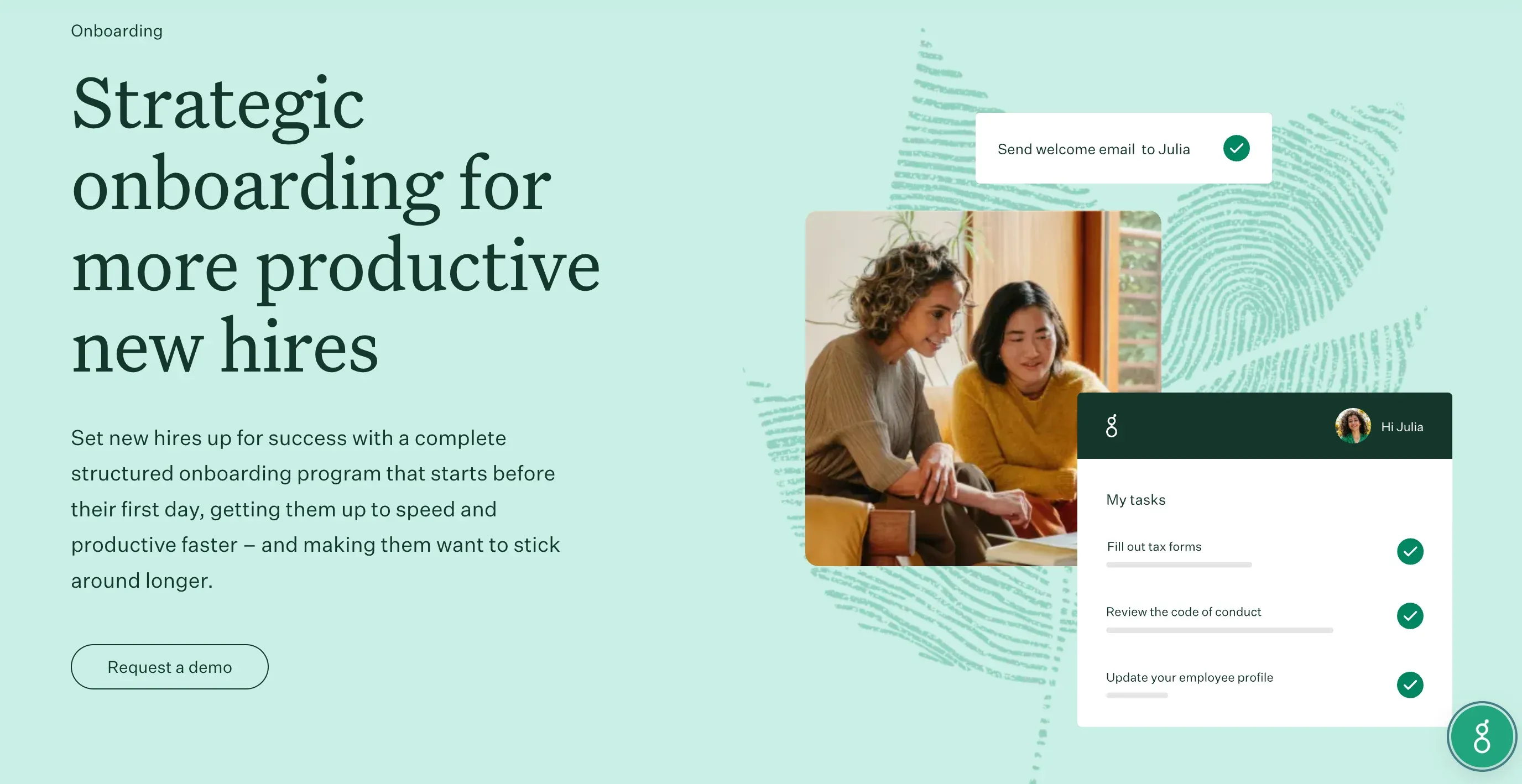
Greenhouse offers scalable and personalized onboarding flows designed for fast-growing companies and enterprises. It emphasizes automation and personalization across departments, locations, and roles.
Key Features include.
The greenhouse is ideal for HR teams that blend compliance, flexibility, and automated workflows into their onboarding process.
WorkBright is built for high-volume or remote teams needing fast, compliant, and mobile-first onboarding. It’s especially popular in industries like healthcare and logistics.
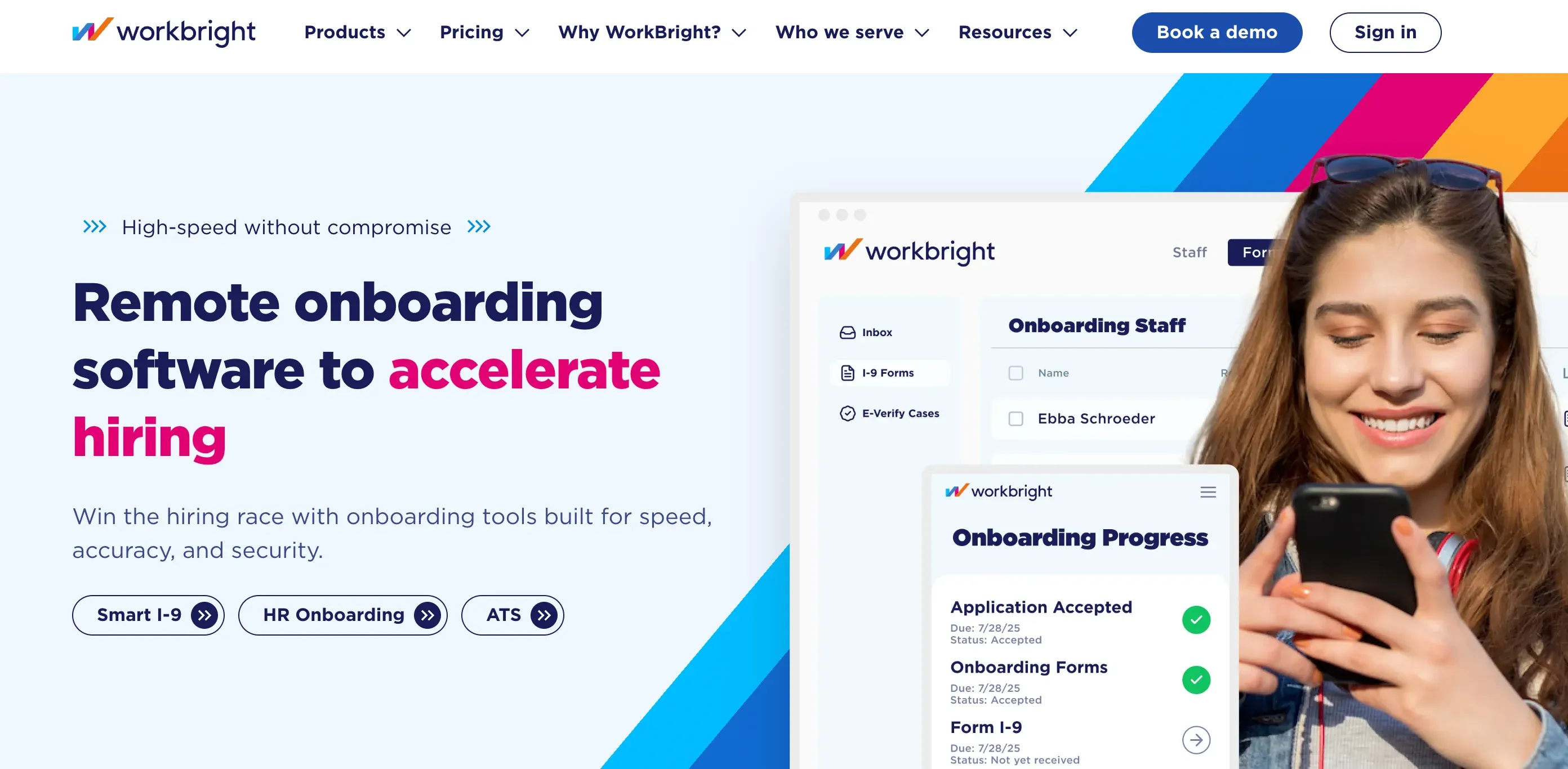
Key Features included.
WorkBright shines in remote onboarding scenarios where speed and compliance are top priorities.
Click Boarding blends structured workflows with brand-friendly experiences to increase onboarding engagement. It’s flexible, scalable, and designed to humanize the digital onboarding process.
Key Features included.
Click Boarding is perfect for HR teams that want a user-first digital employee onboarding experience with rich brand alignment.
Zoom powers the live, human side of digital onboarding. It’s widely used for team introductions, compliance briefings, and virtual HR sessions—especially in hybrid or distributed environments.
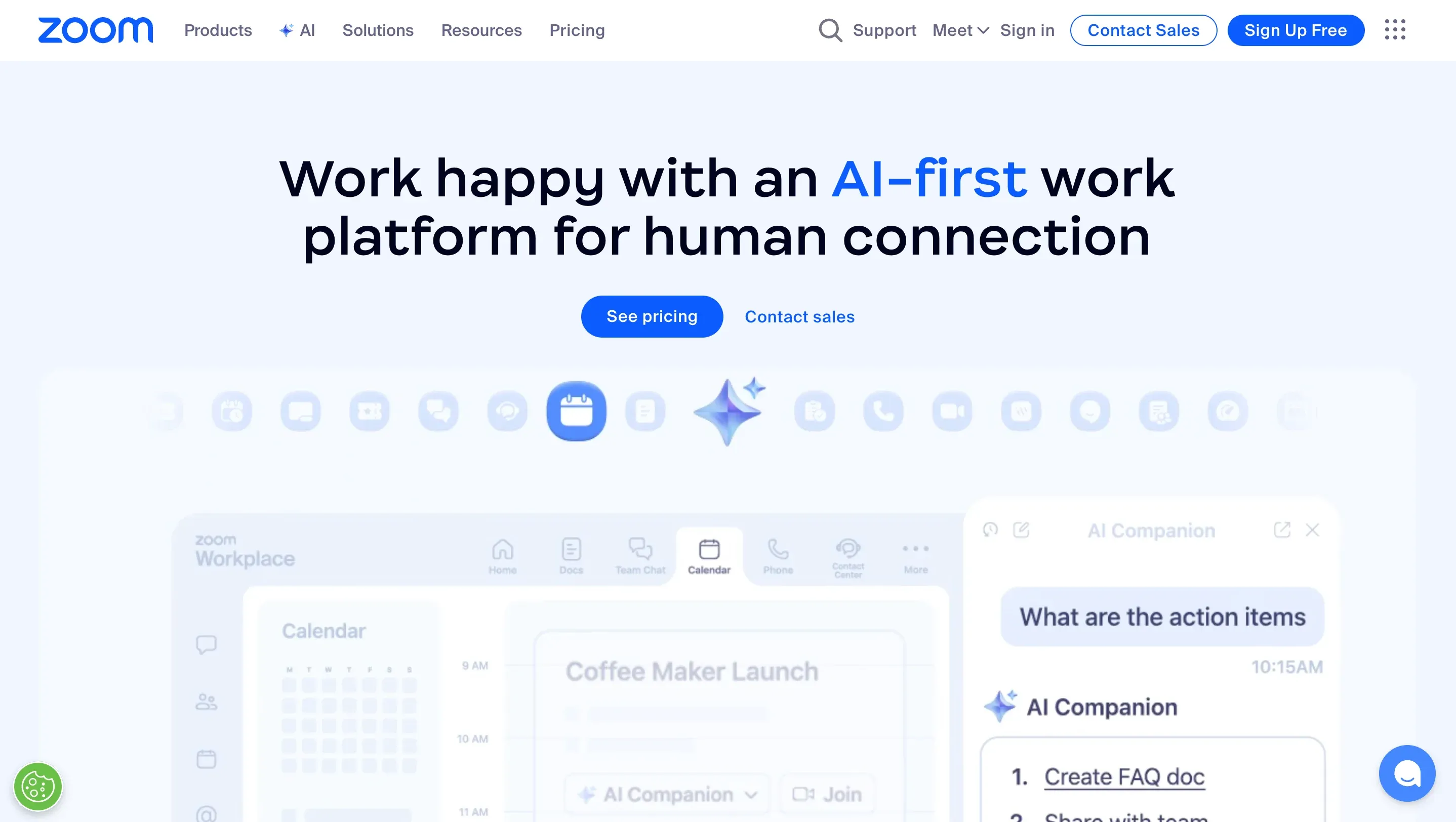
Key Features included.
Zoom is critical in making remote onboarding more interactive, face-to-face, and human.
Microsoft Teams provides a centralized hub for new hire collaboration, communication, and structured access to onboarding resources. It's best for organizations already using Microsoft 365.
Key Features included:
Microsoft Teams is best suited for teams building structured remote onboarding into their existing Microsoft environment.
Slack enables informal, real-time interactions that make digital onboarding more human. It’s a favorite among fast-paced, collaborative teams.
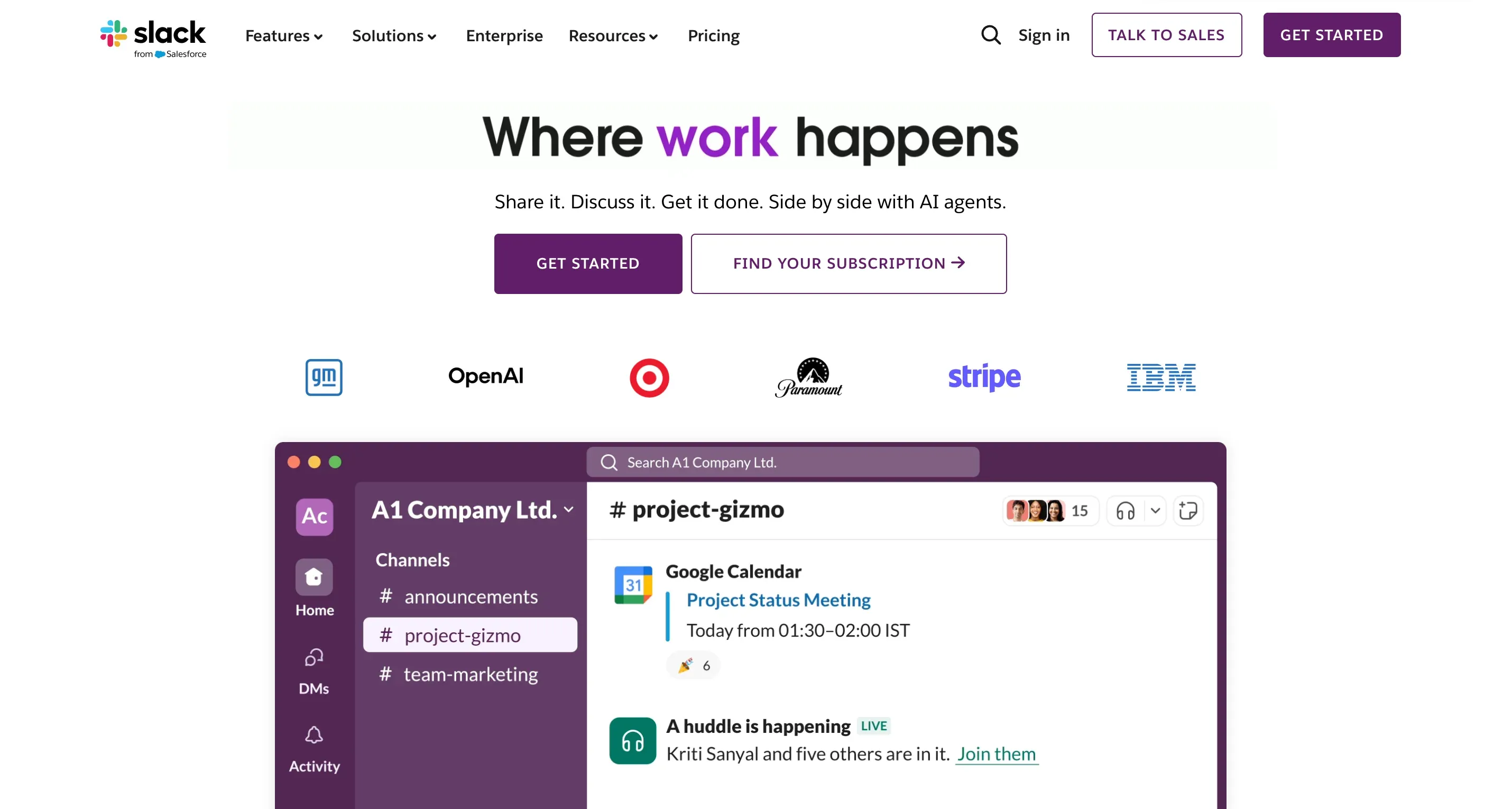
Key Features included.
Slack helps companies reduce onboarding friction through informal yet structured employee engagement.
LinkedIn Learning supports knowledge-building during and after onboarding. It helps companies offer role-based upskilling right from Day One.
Key Features included:
LinkedIn Learning strengthens digital onboarding by embedding growth-focused learning directly into the process.
Udemy Business offers flexible, expert-led training that’s easy to embed into onboarding flows for technical and non-technical roles.
Key Features included.
Udemy Business is ideal for companies that treat onboarding as the beginning of long-term employee development.
Workday is a robust enterprise platform with full onboarding capabilities integrated into its HCM suite. It supports complex HR flows from pre-boarding to performance.
Key Features included.
Workday best suits large enterprises needing deeply integrated onboarding automation and compliance.
SAP SuccessFactors delivers highly configurable onboarding workflows for global enterprises, emphasizing compliance and analytics.
Key Features included.
SAP SuccessFactors is a leading choice for multinational teams needing scalable, localized digital employee onboarding.
While out-of-the-box solutions are robust, some organizations choose custom development to meet complex needs.
Custom onboarding platforms can be tailored for precise requirements: they can integrate with proprietary ERPs or CRMs, support multi-lingual workflows, and enforce unique business rules.
For example, a company might build a mobile app where new hires can scan their ID badge to self-check in or interact with an AI chatbot for FAQs.
This approach aligns with broader HR investment trends: 55% of companies plan to increase their HR tech budgets in 2025, recognizing the strategic value of HR software.
The payoff is significant – data shows companies using advanced HR solutions see around 25% higher productivity and 30% lower turnover.
In practice, a custom digital employee onboarding solution can incorporate your exact brand experience, complex compliance processes, and specific integration points.
For example, AppsRhino can develop an on-demand onboarding app or portal that ties directly into your business systems, ensuring a seamless new hire journey from start to finish.
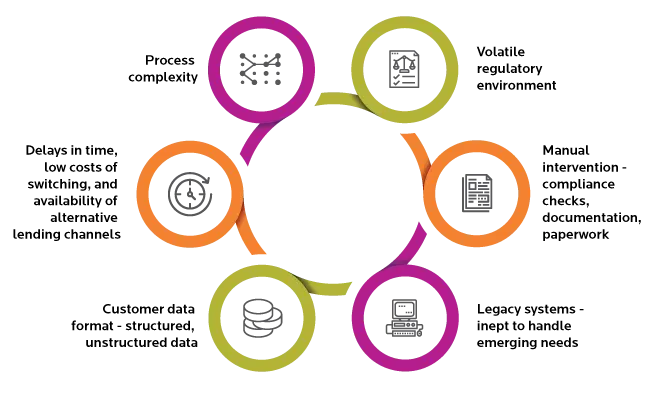
While digital employee onboarding offers automation and scalability, it also brings its own set of challenges.
Below are some common obstacles and effective solutions companies can implement to ensure a seamless and engaging onboarding experience.
Challenge | Solution |
|
|
Culture doesn’t grow through content alone.
People engage faster when there's a face, not just a form.
Challenge | Solution |
| Some hires struggle with onboarding software, especially in non-tech roles. Confusion slows productivity. | Use intuitive tools with tutorials, tooltips, and live chat support to guide new hires easily. |
Simplified tools reduce hesitation and help new hires focus on their role.
Confidence builds when tech gets out of the way.
Challenge | Solution |
| Downtime, login errors, and mobile-unfriendly portals disrupt the onboarding flow and harm first impressions. | Choose mobile-first platforms with SSO. Pre-test access for each new hire before Day One. |
A smooth login is your first promise kept.
Reliability builds trust before the first meeting.
Challenge | Solution |
| Onboarding includes sensitive data (tax IDs, personal info). Mishandling leads to risk and mistrust. | Use platforms with encryption, MFA, and full GDPR/SOC 2 compliance. Train HR on privacy best practices. |
Trust begins with secure data handling.
Compliance protects both the company and the employee.
Challenge | Solution |
| Global and cross-functional teams need different forms, languages, and timelines, not generic onboarding. | Customize flows by region, role, and language. Use platforms with dynamic content and localization. |
When onboarding feels tailored, new hires feel valued.
Localization is clarity. Relevance leads to retention.
To make digital onboarding effective, follow these best practices.
Plan Ahead: Map out the entire onboarding journey before Day One. Pre-configure the platform, prepare all digital assets (welcome videos, documents, login accounts), and set clear timelines.
A well-structured workflow keeps tasks on track and ensures nothing is missed.
Personalize the Experience: Tailor content to each new hire’s role, department, and location. Provide localized materials (translated handbooks, local policies).
Personalized communication (such as a welcome note mentioning the hire’s role or team) increases engagement.
Communicate Early and Often: Engage new hires even before they start. Send a welcome email or small package with company swag to build excitement.
Once onboarding begins, use multiple channels (email, chat, video) to inform them of next steps and available resources.
Assign Mentors or Buddies: Pair each new hire with an experienced colleague.
The mentor should proactively reach out via the onboarding system to greet the new employee, answer questions, and help them navigate the digital workspace. This human element complements the automated process and reinforces culture.
Blend Automation with Live Interaction: Use software to handle routine tasks, but include live sessions for a personal touch.
Balancing self-service with fundamental interactions prevents isolation and builds connections.
Gather Feedback and Iterate: Use the onboarding platform to survey new hires at key milestones (end of week one and month one).
Tracking satisfaction and performance outcomes validates your digital employee onboarding strategy.
Many organizations have transformed onboarding with digital tools.
Problem: Early-stage businesses often struggle to manage recruitment and onboarding efficiently without enterprise HR tools.
Manual offer letters, paper forms, and scattered onboarding processes increase HR workload and slow new hire readiness.
Solution: ATS Relinns offers a lightweight applicant tracking system with integrated onboarding features.
It automates offer letter generation, digital onboarding checklists, and orientation scheduling within a single, mobile-friendly platform accessible from any device.
Results: Relinns’ mobile interface enabled new hires to complete onboarding paperwork on the go.
This reduced manual HR workload, accelerated new-hire processing, and helped early-stage companies improve their onboarding experience without heavy enterprise software investment.
As onboarding evolves in 2025, companies invest in more intelligent, engaging technologies that personalize and scale the experience. Here's what defines the future:
AI chatbots now handle the majority of HR inquiries
By 2025, virtual assistants will answer common onboarding questions like benefits, login help, and training schedules. This frees HR to focus on human-led support.
(Source: Gartner on AI in HR)
Virtual and Augmented Reality enhance immersion
New hires experience virtual office tours, interactive safety demos, and AR-guided equipment onboarding from home or in the office.
Onboarding becomes continuous via microlearning
Short, modular training content is delivered across weeks, keeping employees engaged long after Day One.
Real-world results are already visible
Hitachi cut onboarding time by 4 days and reduced HR load by 40% with automation.
(Source: Business Insider on GenAI in HR)
Digital employee onboarding is no longer optional; it’s a strategic necessity for modern organizations.
By leveraging digital onboarding tools, employee onboarding software, and onboarding automation, companies can automate tedious administrative work and instead focus on making new hires feel welcome and productive.
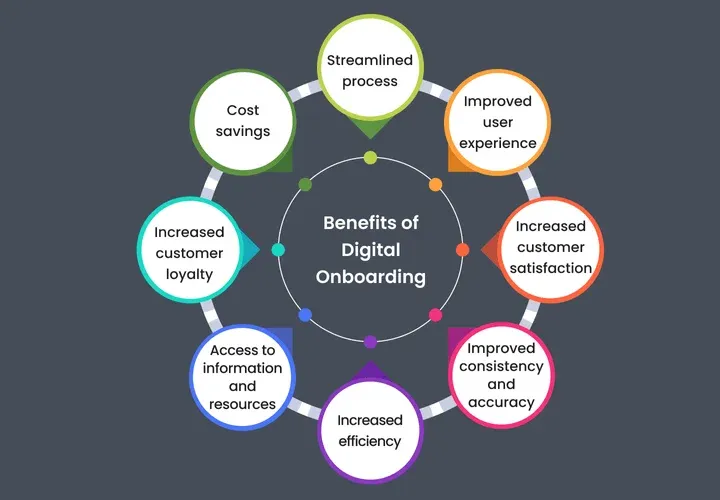
The benefits are clear: employees integrate faster, retention improves, and the company culture is consistently communicated.
For enterprises and tech-savvy startups looking to scale their teams, AppsRhino offers custom app development expertise.
At AppsRhino, we design tailored digital onboarding solutions that include fully integrated web portals and user-friendly mobile onboarding apps. Our solutions are built to seamlessly align with your existing systems and embody your unique brand identity.
By partnering with us, you ensure your employee onboarding process is not only efficient and secure but also highly engaging—creating a smooth and welcoming experience for every new hire from day one.
Custom Development
7 Apr 2026
Tell us what your business actually runs on today, and we will map what it takes to make it one system.