

Custom Development
Alcohol Delivery Market Share and Trends: Size, Growth, & Business Opportunities
7 Apr 2026
Regarding retrieving specialized software development solutions, two significant entities lead the game- Software consultancy and in-house expertise. Both software consultants and in-house professionals follow different approaches and methodologies to deliver software solutions.
Enhanced software solutions have become an essential aspect as they offer many features. Once implemented, it can streamline business operations, automate processes, facilitate communication, and support decision-making.
Individuals select what best suits their needs based on the requirements of their business organization. However, a few factors must be considered while choosing between the two. Therefore, this guide will explore software consultancy and in-house expertise in depth.
It will compare their features and functionalities, as well as the advantages and disadvantages of both entities. Consider this as a guide to help you decide whether software consultancy or in-house expertise will fit your business operations.
Software consultants are agents or groups of experts present in an organization ready to be hired for expert advice about software development projects.
The professionals present at software consultancy can offer guidance in almost all fields, from technical expertise and project management to strategic planning, to develop custom solutions that would cater to the individual needs and preferences of the target audience.
Software consultants are experts and advisors who help you determine which methodology, technology, or tool might fit your software development process.
They work closely with business organizations to properly understand their goals and objectives and provide software development solutions. Software consultants have flexible hiring modules that charge differently depending on your selected module.
They can be hired full-time, part-time, hourly, and even on a project basis. The difference in the hiring modules never compromises the quality of the work they deliver.
The advantages offered by software consultancy are as follows:
Every consultant in a software consultancy is carefully picked after various rounds of evaluation and interviews. This results in a team of the best experts who have adequate knowledge and experience across all domains. By partnering with these experts, businesses gain specialized skills and knowledge that can guide them in formulating software solutions.
Software consultants have a track record of working on similar projects for quite some time. This track record helps them boost the speed of project development and consistently deliver projects in due time. Their knowledge and proficiency in software development contribute to this and, at times, even allow them to work on multiple projects simultaneously.
Since these professionals can be hired whenever you want, they are a much safer and more cost-effective option than in-house expertise. Businesses are not required to go through the tiring process of selecting individuals based on their qualities, conducting interviews, and further training them before they take up any projects.

Software consultants bring adequate expertise and experience that can be utilized whenever required. Additionally, these consultants do not demand permanent employee benefits like housing facilities, insurance, etc. Due to such advantages, businesses opt for software consultants more than in-house expertise.
Besides advantages, software consultancy has several drawbacks. A few of them are discussed below:
After all, software consultants are external entities that bear no resemblance to your organization. This lack of knowledge is why they cannot offer advice that can genuinely reciprocate your organization's goals and objectives. If a clash of beliefs occurs, it could lead to unfortunate circumstances.
Mitigation strategy: Right from the first day of partnership, businesses must conduct regular meetings and interactive sessions with software consultants to clearly understand and fill in the gaps in your existing software solution. This clear understanding will give rise to solutions that align with your organization's goals and objectives.
Software consultancy is also prone to communication issues as the organization is most likely not to be nearby; an absence of communication might affect client satisfaction and butcher the software consultancy's reputation.
Mitigation strategy: Establishing communication platforms between the two parties can avoid potential communication issues. Clients can address problems and concerns, while consultants can send regular updates regarding the development process and keep the clients in the loop.
Organizations may become dependent on the software consultancy for ongoing maintenance, updates, and support. This reliance may raise concerns about limited control over the software, long-term expenses, and potential delays in addressing issues.
Mitigation strategy: Foster knowledge transfer between the consultancy and the in-house team. Encourage documentation and training sessions to ensure the organization can take over maintenance and support tasks as needed. Establish clear service level agreements and ensure that the consultancy provides comprehensive documentation, including codebase, architecture, and system specifications.
By implementing these strategies, organizations can effectively mitigate the potential drawbacks of relying on software consultancy, ensuring a successful partnership and maximizing the benefits of their software development projects.
Suggested Reading :
Optimal Approaches for Custom Healthcare Software Development
In-house expertise refers to the presence of skilled and experienced software development professionals within an organization. It involves building a dedicated team of developers, designers, testers, and other specialists who are directly employed by the organization and work collaboratively on software development projects.
Building an in-house software development team is crucial for several reasons:
Having an in-house team allows the organization to have full control over the software development process. They can align the team's goals with the overall objectives and strategic direction of the organization. This level of control enables better coordination, decision-making, and customization of the software solution to meet the organization's specific needs.
An in-house team is more likely to have a deep understanding of the organization's business processes, industry domain, and goals. They can align the software development efforts with the unique requirements and vision of the organization, resulting in solutions that are better suited to address the specific challenges and opportunities faced by the organization.
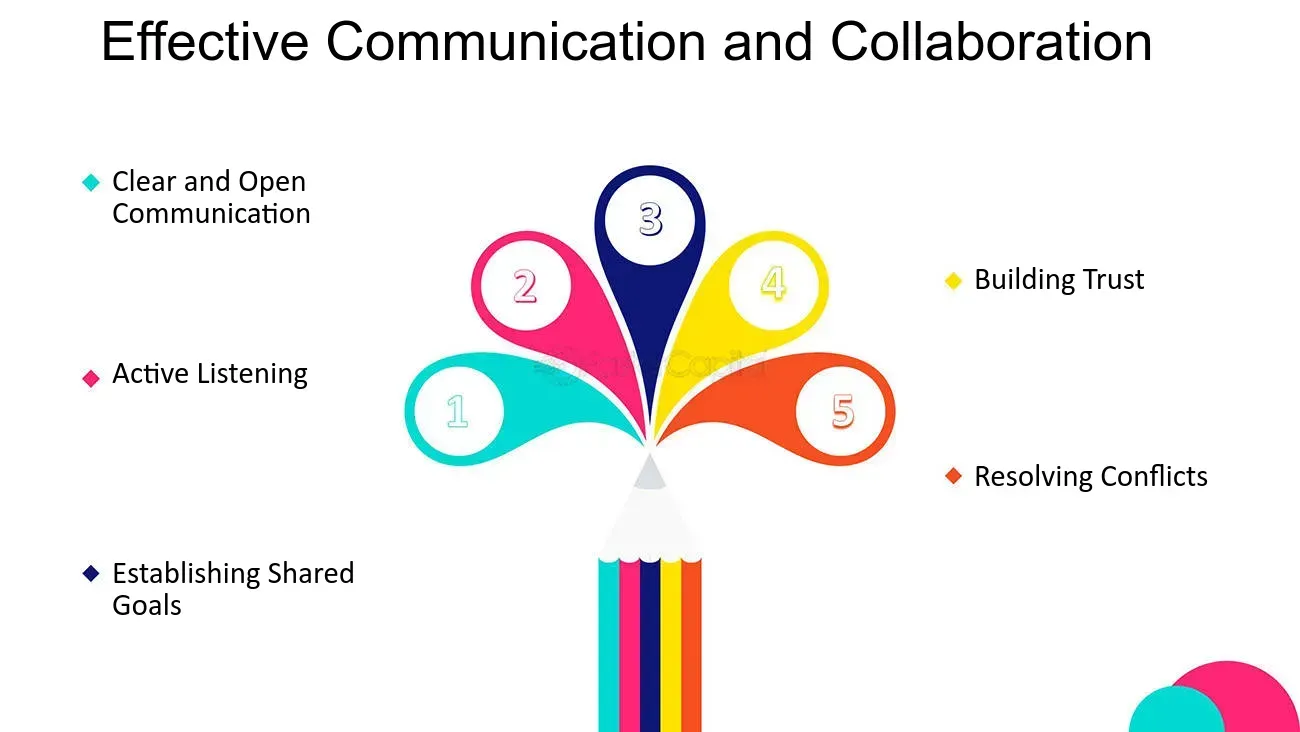
With an in-house team, there is a higher level of proximity and accessibility, leading to smooth collaboration and communication. Team members can easily interact, share knowledge, and address any challenges or roadblocks in real-time. Effective collaboration fosters innovation, problem-solving, and the ability to respond quickly to evolving project needs.
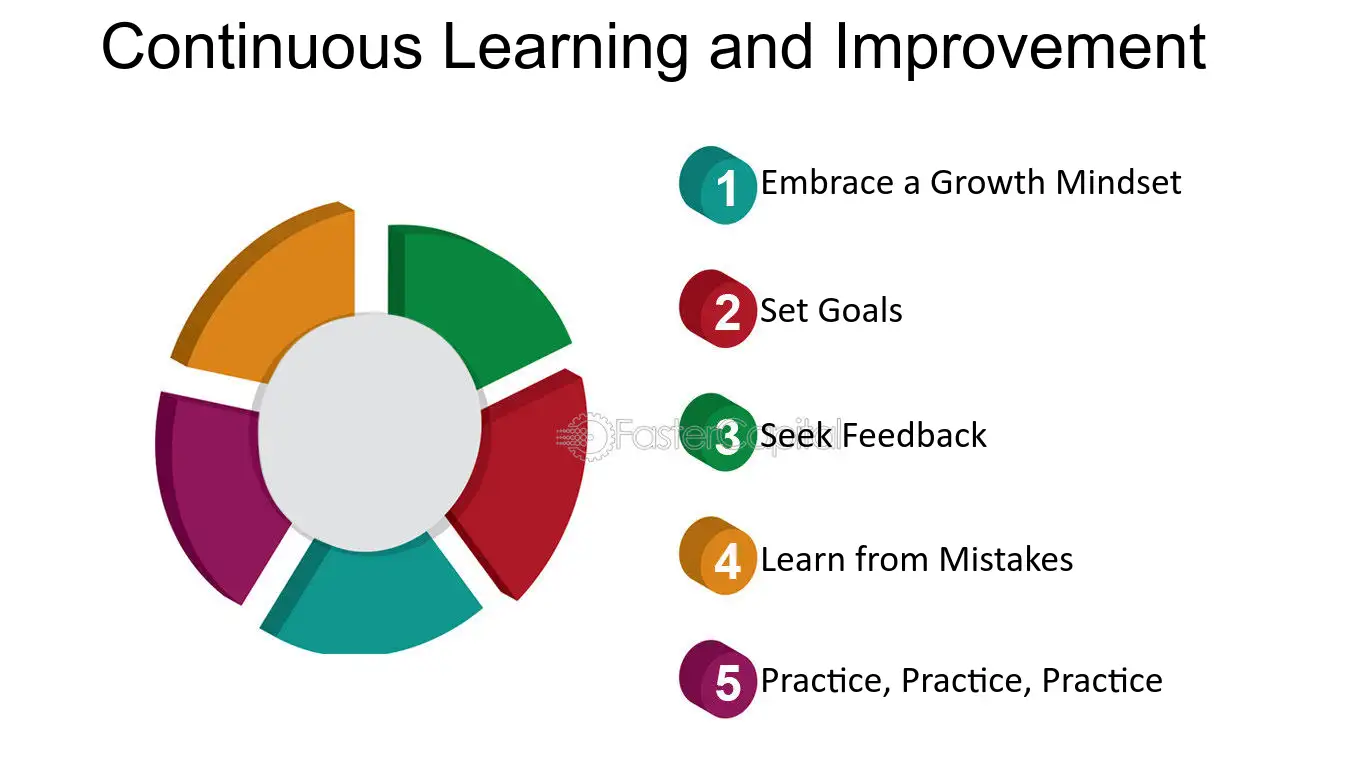
Businesses opting for in-house expertise should encourage the team members to go through continuous training and learning exercises. This training and learning exercises will make them familiar with current trends and technologies in software development.
In-house expertise might seem like a costly affair at first, but its benefits can be retrieved for a much longer period of time than you can ever imagine.
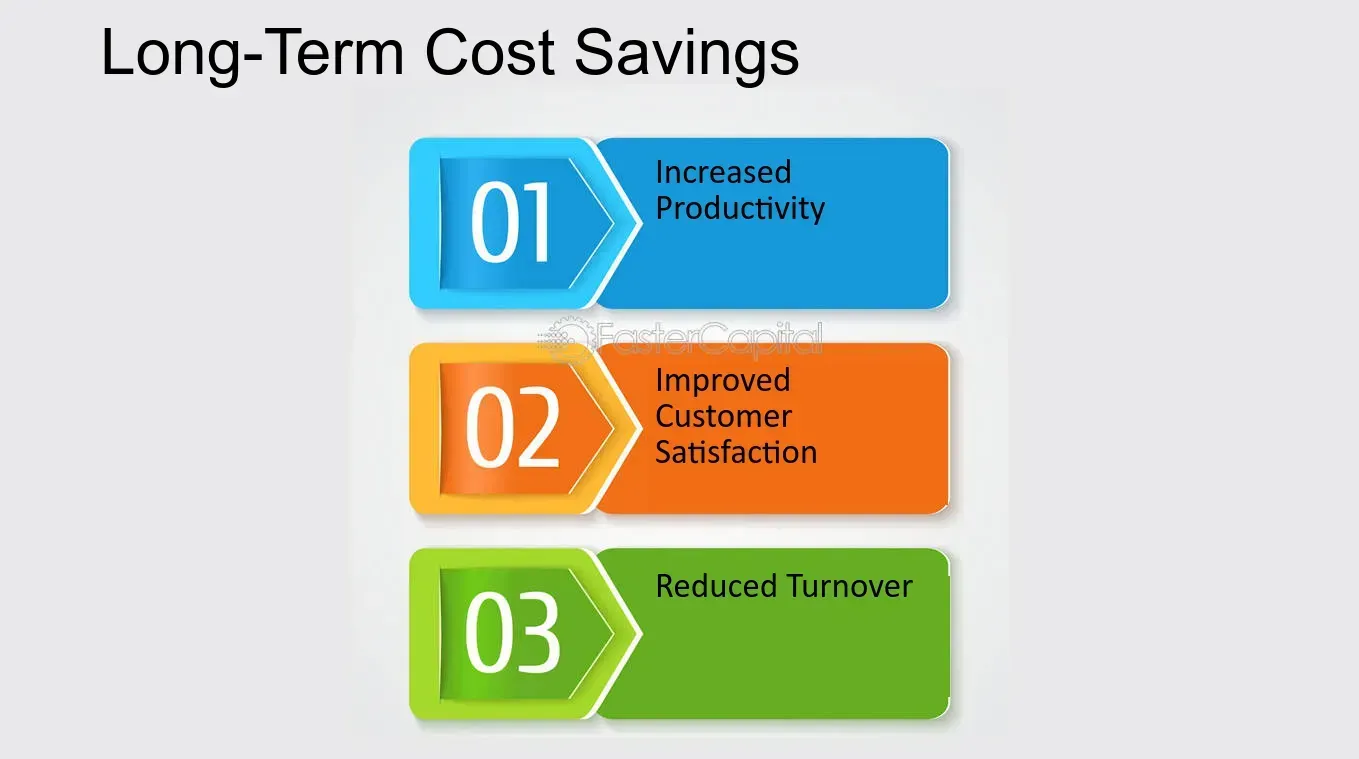
While hiring an in-house team involves initial investments in recruitment, onboarding, and training, over time, it can lead to cost savings. The organization does not need to rely on external consultants or agencies for every development project, reducing the expenses associated with outsourcing.
Suggested Reading:
How Software Consultancy Can Boost Your Business Efficiency?
When deciding between software consultancy and in-house expertise, here are key factors to consider:
Complex projects that require specialized expertise or niche skills may benefit from the involvement of a software consultancy. On the other hand, projects with relatively straightforward requirements and well-defined scopes might be suitable for an in-house team.
Urgent or time-sensitive projects may benefit from the flexibility and scalability offered by a software consultancy. They can provide a larger team that can quickly ramp up to meet tight deadlines. In-house teams, on the other hand, may have a better understanding of organizational processes and can provide faster turnaround times for certain projects.
Consider the budget available for the project. Software consultancies typically come with higher costs, especially for large-scale projects. In-house teams might be a more cost-effective option, particularly for long-term initiatives, as the costs can be spread out over time.
Consider the organization's long-term goals and IT strategy. If there is a need to build and maintain internal expertise for ongoing software development needs, investing in an in-house team is often the preferred choice. However, if the organization primarily requires occasional or specialized assistance, using a consultancy can be a strategic option.
In conclusion, the choice between software consultancy and in-house expertise depends on various factors such as project complexity, timelines, budget, and long-term goals. Both options have their advantages and limitations.
Software consultancies offer specialized expertise, scalability, and quick turnaround times, making them suitable for complex or time-sensitive projects. On the other hand, in-house expertise provides better control, alignment with organizational goals, cost savings in the long run, and the ability to build and retain internal knowledge.
Suggested Reading :
Who are the Market Leaders in Software Consultancy Services?
Custom Development
7 Apr 2026
Tell us what your business actually runs on today, and we will map what it takes to make it one system.