
Custom Development
Alcohol Delivery Market Share and Trends: Size, Growth, & Business Opportunities
7 Apr 2026
The healthcare industry is now having massive transformation, including technological advancements and the growing demand for accessible, efficient, and patient-centric services.
For startups, this is a golden opportunity to innovate and fill existing gaps in the market with some innovative healthcare solutions.
Whether you're an entrepreneur looking to enter the healthcare space or a business owner seeking to expand your offerings, here are 9 profitable healthcare business ideas for startups to consider.
The healthcare industry is no longer just about treating illnesses—it’s about prevention, accessibility, and convenience.
With rising patient expectations and the need for cost-effective solutions, there’s a growing demand for innovative ideas for healthcare business. Business Startups that can address these needs and problems are in way for their success.
From overcoming geographical barriers to reducing wait times, the opportunities are endless.
Let’s see the Innovative healthcare business ideas that can help you make a meaningful impact while achieving profitability.
Telemedicine platforms have been the ace in the race of the healthcare industry, enabling virtual consultations, diagnostics, and follow-up care through digital channels.
These platforms bridge the gap between patients and healthcare providers, making quality care accessible to all, regardless of geographical limitations.
For businesses, telemedicine represents one of the most lucrative business ideas in healthcare, combining scalability, cost-efficiency, and high patient satisfaction.
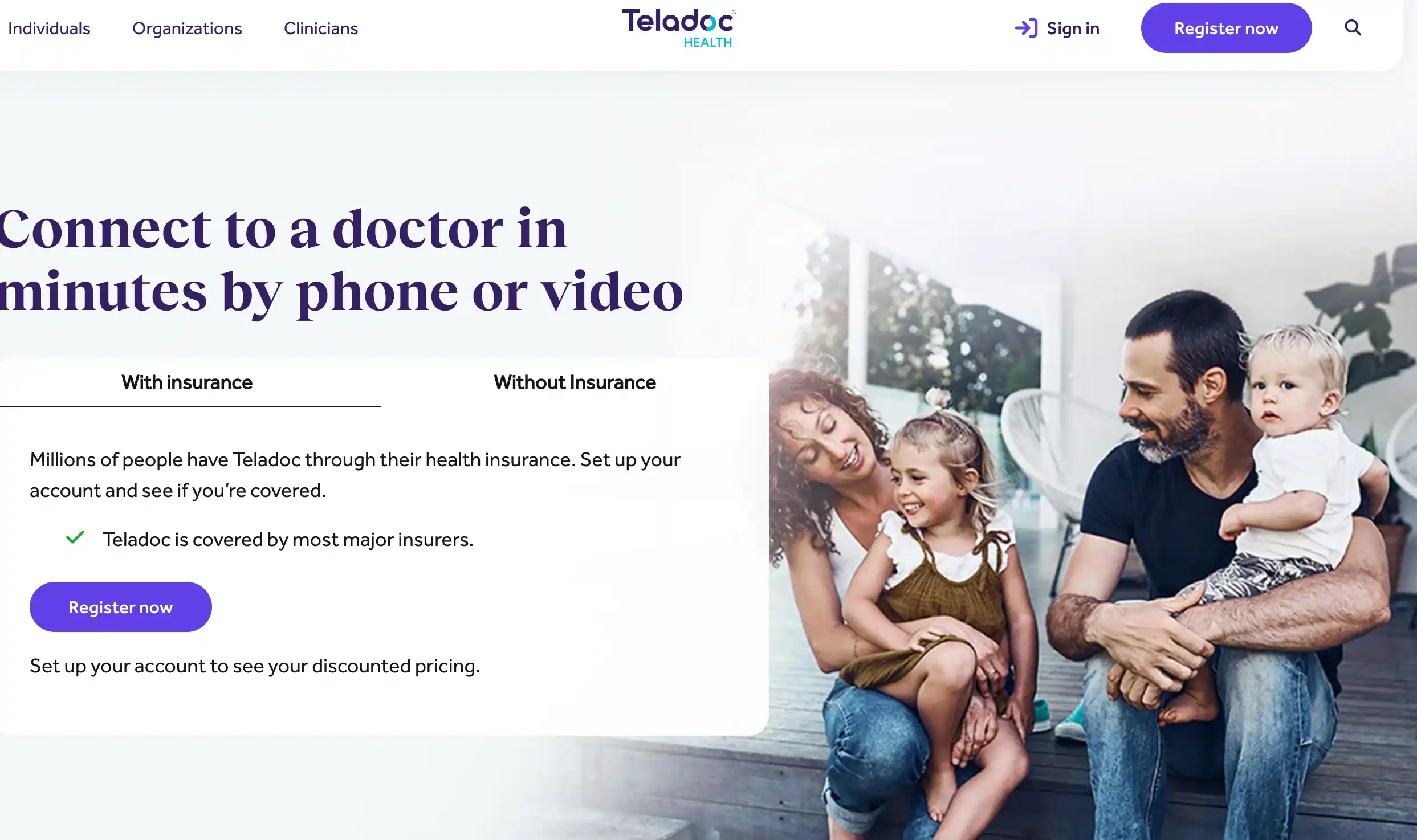
Telemedicine platforms are designed to tackle some of the most pressing challenges in the healthcare industry.
By focusing on patient-centric solutions, these platforms are transforming how care is delivered and accessed. Here’s how they address specific pain points:
One of the biggest challenges in healthcare is ensuring access to quality services for patients in remote or underserved areas.
Telemedicine platforms like MedoPlus eliminate this barrier by connecting patients with healthcare providers virtually. This not only expands the reach of healthcare services but also opens up new revenue streams for businesses.
Within six months, MedoPlus reported a 40% increase in patient consultations and a significant reduction in operational costs.
The platform’s scalability and ease of use made it an ideal choice for their growing needs.
Long wait times and the need to travel for appointments are major pain points for patients.
Telemedicine platforms streamline the process, allowing patients to consult with doctors from the comfort of their homes.
This convenience enhances patient satisfaction and retention, making it a win-win for both patients and healthcare providers.
Here are the key features that make it a standout choice for healthcare businesses:
Seamless Integration with Electronic Health Records (EHR) ensures that patient data is easily accessible, secure, and up-to-date, enabling healthcare providers to deliver personalized care efficiently.
For diverse populations, feature a user-friendly interface with multilingual support.
This unbiased approach ensures that patients from different linguistic backgrounds can access care without any barriers, limitations, further enhancing the platform’s appeal as well as usage.
Artificial Intelligence (AI) is changing or we can say enhancing the way healthcare providers, doctors diagnose diseases and check symptoms also.
By making the use of advanced algorithms, AI-driven diagnostics analyze huge and large amounts of medical data—from imaging scans to genomic information—to detect diseases early and more accurately.
This concept of innovative healthcare business ideas is not just a futuristic concept; it’s a practical solution that’s already booming in the industry.

AI-driven diagnostics healthcare apps helps to sort most of the pressing challenges in healthcare now a days:
Misdiagnosis is a significant issue in healthcare, leading to delayed treatments and increased costs.
AI tools reduce human error by providing data-oriented insights, ensuring more accurate diagnoses of the disease.
Example: Platforms like IBM Watson Health use AI to assist doctors in diagnosing complex conditions, such as cancer, by analyzing medical literature and patient data.
Time is critical in healthcare. AI can analyze complex datasets within seconds, allowing quick diagnoses and timely interventions, which can be life-saving in many cases.
Example: Zebra Medical Vision uses AI to analyze medical imaging and detect abnormalities in minutes, significantly speeding up the diagnostic process.
What sets AI-driven diagnostics apart from the traditional methods?
AI systems improve over time by learning from new data, ensuring that diagnostic accuracy keeps improving.
From medical imaging to genomic data, AI can process and analyze information from multiple sources, providing a comprehensive view of a patient’s health.
Example: PathAI makes use of AI to analyze pathology slides and genomic data, offering a holistic approach to disease diagnosis.
AI-driven diagnostics are already transforming healthcare delivery in numerous ways:
Cancer Detection: AI algorithms are being used to analyze mammograms and detect breast cancer at earlier stages than traditional methods.
Predictive Analytics: Hospitals are using AI to predict disease outbreaks also and along with that patient deterioration, enabling proactive care.
Remote Patient Monitoring (RPM) is another healthcare business startup idea.
By using wearable devices and using healthcare mobile apps, RPM allows healthcare providers to monitor patients’ vital signs and health metrics in real-time, even outside the hospital.
This innovative idea for healthcare business is particularly valuable in managing chronic , serious conditions and reducing healthcare costs.
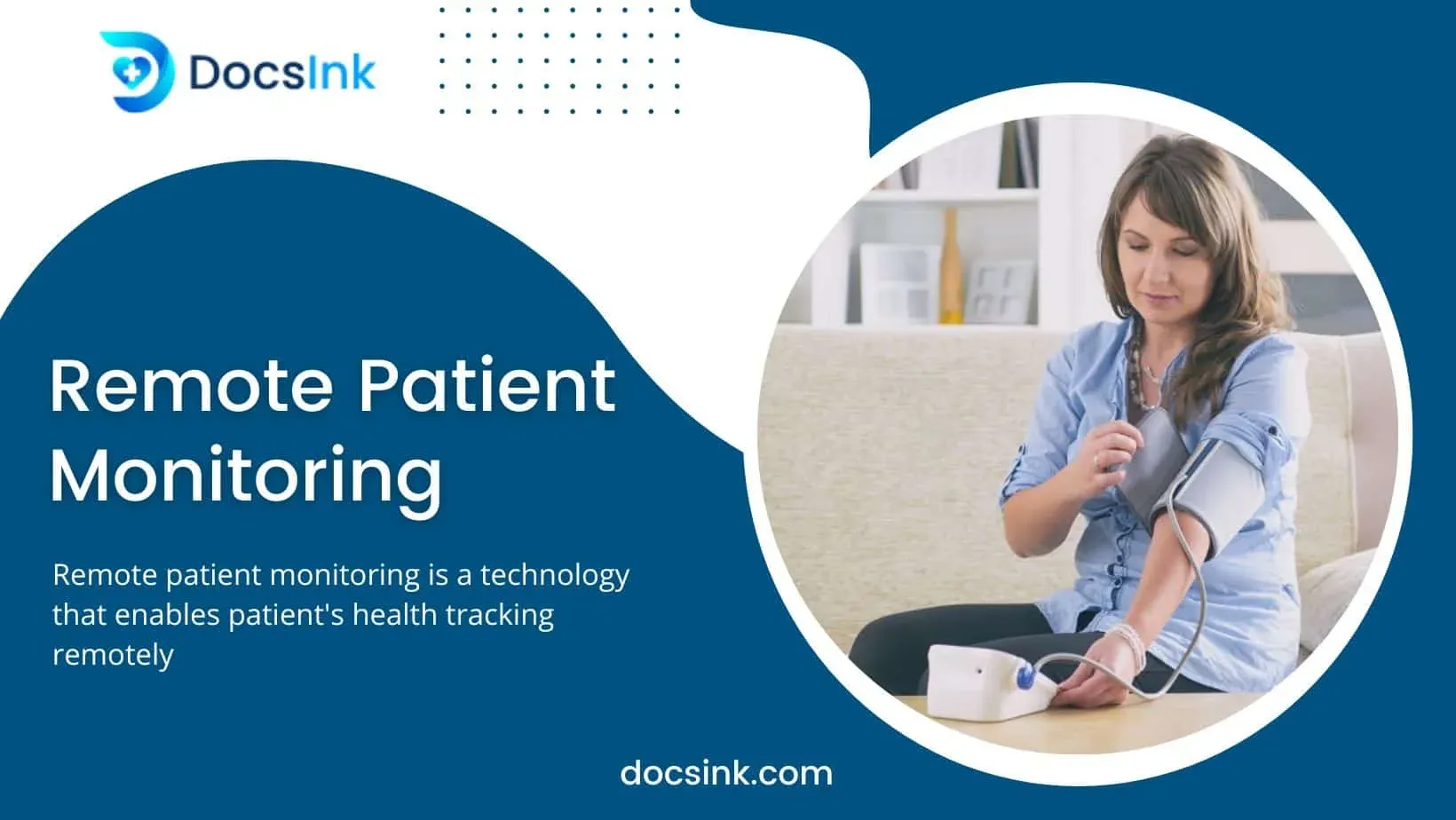
RPM addresses some of the most significant challenges in patient care:
RPM provides continuous access to patient data, enabling doctors to make informed decisions without requiring in-person visits.
Example: BioTel Heart offers remote cardiac monitoring solutions that allow doctors to track patients’ heart health in real-time.
By enabling proactive care, RPM helps to prevent complications and reduces the need for hospital visits, which are costly for both providers and patients.
Example: Philips Healthcare provides RPM solutions that monitor patients with chronic conditions, significantly reducing readmission rates.
What makes RPM stand out in the healthcare market?
RPM systems can be customized to send alerts to both patients and doctors whenever some health issues are detected, ensuring timely care of the patient.
Example: Medtronic’s CareLink platform sends real-time alerts to healthcare providers if a patient’s condition worsens.
RPM seamlessly integrates with Custom telehealth platforms, offering a comprehensive remote care solution that enhances patient engagement and satisfaction.
Example: Teladoc Health combines RPM with telehealth services, providing end-to-end remote care solutions.
RPM is already making a significant impact in various healthcare settings:
Chronic Disease Management: RPM is widely used to monitor patients with diabetes, hypertension, and heart disease, helping them manage their conditions effectively.
Post-Surgical Care: Patients recovering from surgery can be monitored remotely, reducing the need for frequent hospital visits.
Mental health has become a global priority, and digital platforms are stepping up to provide accessible, stigma-free support.
Mental Health and Wellness Apps offer a range of services, including virtual therapy sessions, meditation guides, stress management tools, and crisis intervention features.
These platforms are designed to meet users where they are, providing immediate and personalized support.
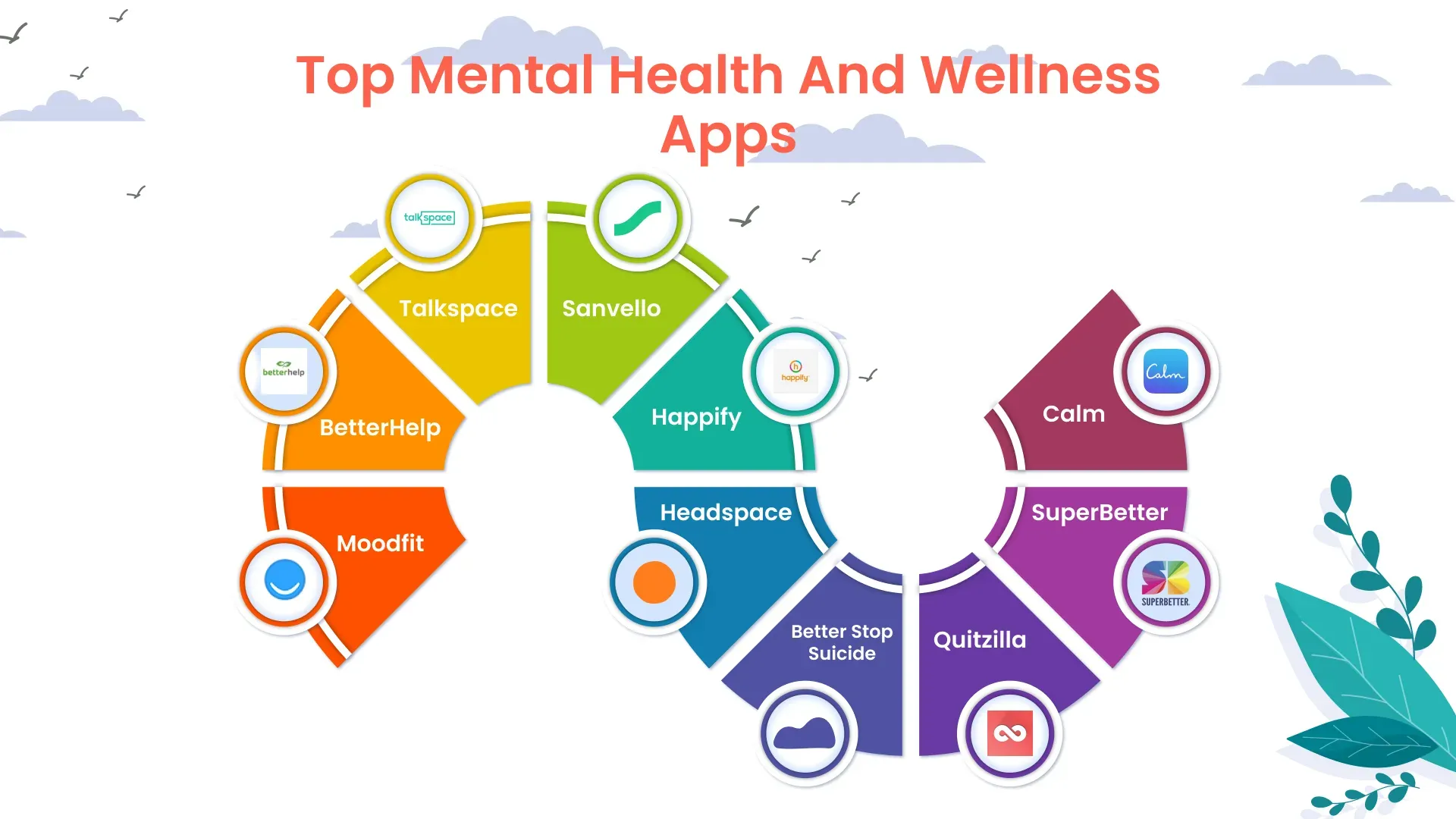
Mental health challenges are extensive, yet many individuals face barriers to accessing the care they need. Here’s how Mental Health and Wellness Apps are addressing these pain points:
Many people avoid seeking help due to fear of judgment or societal stigma. These apps create a private, non-judgmental space where users can access resources discreetly.
Traditional therapy can be expensive, time-consuming, or geographically inaccessible. Mental health apps provide affordable, on-demand support that fits into users’ busy lives.
Mental health emergencies don’t follow a schedule. With 24/7 availability and crisis intervention features, these platforms ensure users can access help whenever they need it.
By tackling these challenges, Mental Health and Wellness Apps are making mental health care more inclusive and approachable.
What sets these apps apart from traditional mental health services? Here are the standout features:
Using AI and user assessments, these apps tailor content, therapy plans, and recommendations to each individual’s needs, ensuring a more effective and engaging experience.
Unlike in-person therapy, which operates on fixed schedules, these platforms are accessible anytime, anywhere, making them ideal for busy professionals and individuals in remote areas.
Features like chatbots, hotlines, and emergency resources provide immediate support during mental health crises, potentially saving lives.
These unique features make Mental Health and Wellness Apps a game-changer in the mental health industry.
Consider the success of apps like Calm and BetterHelp. Calm has become a go-to for meditation and sleep support, while BetterHelp connects users with licensed therapists virtually.
These platforms have not only improved user well-being but also demonstrated the scalability and profitability of mental health tech.
With sedentary lifestyles contributing to chronic diseases like obesity and diabetes, Health and Fitness Platforms are stepping in to promote healthier habits.
These apps and websites offer personalized workout plans, nutrition advice, and health tracking tools, empowering users to take control of their physical well-being.
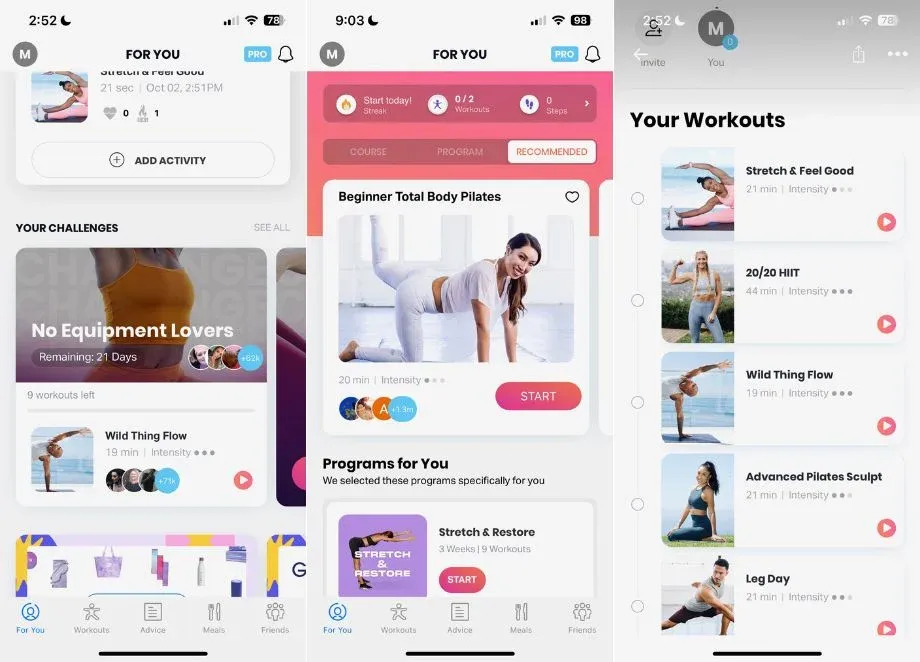
Modern lifestyles often leave little room for fitness and healthy living. Here’s how Health and Fitness Platforms are addressing these challenges:
By providing easy-to-follow workout plans and reminders, these platforms encourage users to stay active, even with busy schedules.
Generic fitness advice often fails to deliver results. These platforms create customized plans based on individual goals, fitness levels, and health conditions, ensuring better outcomes.
Many users struggle to stay consistent. Community features and progress tracking keep users engaged and motivated to achieve their goals.
These solutions make it easier for individuals to adopt and maintain healthier lifestyles, addressing the root causes of many chronic health issues.
What makes Health and Fitness Platforms stand out in a crowded market? Here are their unique advantages:
Platforms sync with devices like Fitbit and Apple Watch to provide real-time data on steps, heart rate, and calories burned, offering users a seamless and data-driven experience.
Features like group challenges, leaderboards, and social sharing foster a sense of community and accountability, keeping users motivated.
Beyond fitness, these platforms often include nutrition tracking, mental health resources, and sleep analysis for a comprehensive wellness experience.
These features make Health and Fitness Platforms a one-stop solution for users looking to improve their overall well-being.
Platforms like MyFitnessPal and Peloton have improved the fitness industry.
MyFitnessPal’s nutrition tracking and Peloton’s interactive workouts have attracted millions of users, proving the demand for personalized, tech-driven fitness solutions.
Online Pharmacy Services are digital platforms that allow users to order prescription medications and over-the-counter products online, with the added convenience of home delivery.
These platforms are enhancing the way patients access essential medicines, making the process faster, more efficient, and user-friendly.
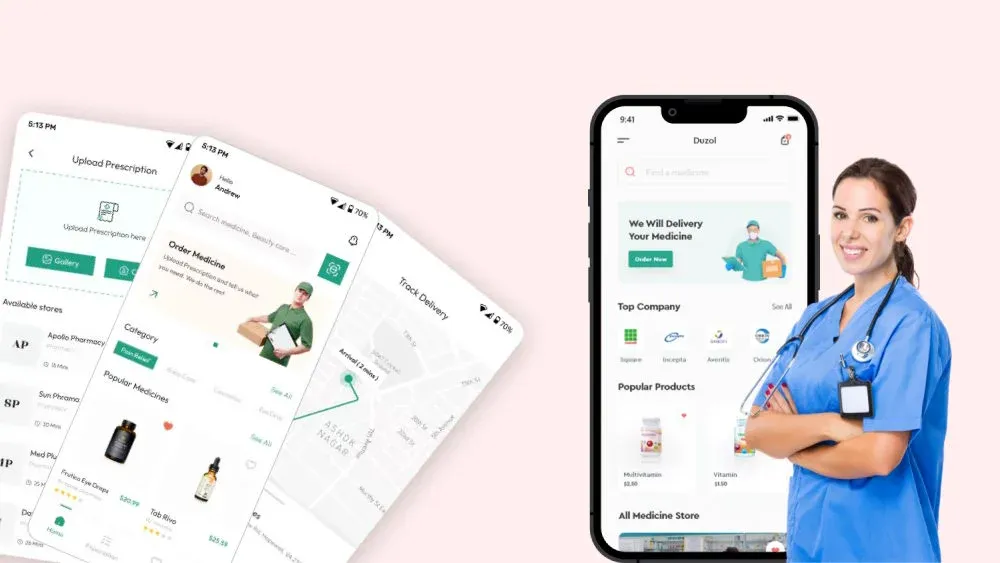
The traditional process of procuring medications can be cumbersome and time-consuming. Here’s how Online Pharmacy Services are solving these challenges:
Patients no longer need to visit physical pharmacies, wait in long lines, or deal with stock shortages. Online platforms streamline the entire process, from prescription uploads to doorstep delivery.
For individuals with mobility issues, chronic illnesses, or busy schedules, these services ensure timely access to essential medications, improving adherence and health outcomes.
Many online pharmacies offer competitive pricing, discounts, and subscription models, making medications more affordable for patients.
By addressing these pain points, Online Pharmacy Services are making healthcare more accessible and patient-centric.
What sets these platforms apart from traditional pharmacies? Here are their standout features:
Advanced platforms use AI to send reminders for medication schedules, refills, and adherence tracking, helping patients stay on top of their treatment plans.
Secure Platforms
With robust encryption and compliance with healthcare regulations, these services ensure patient privacy and data protection.
Comprehensive Services
Beyond medication delivery, many platforms offer teleconsultations, health blogs, and personalized health advice, creating a holistic healthcare experience.
Platforms like PillPack (now part of Amazon Pharmacy) and Blink Health have set the standard for online pharmacy services.
PillPack’s pre-sorted medication doses and Blink Health’s discounted pricing have made them go-to solutions for millions of users, proving the viability and scalability of this business model.
Medical Transcription Services provide accurate and efficient transcription of medical records, consultations, and procedures.
These services are essential for healthcare providers who need precise documentation for patient care, legal compliance, and administrative efficiency.
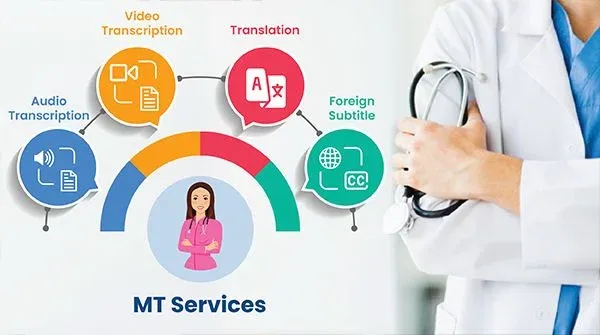
Healthcare professionals often struggle with administrative burdens that take time away from patient care. Here’s how Medical Transcription Services are addressing these challenges:
By outsourcing transcription tasks, healthcare providers can focus on delivering quality care rather than spending hours on documentation.
Precise transcription is critical for patient care, billing, and legal compliance. These services minimize errors and ensure that records are complete and reliable.
With faster turnaround times, healthcare providers can access transcribed records promptly, enhancing workflow efficiency.
These solutions are transforming how healthcare providers manage their documentation needs, allowing them to prioritize patient care.
What makes Medical Transcription Services stand out in the market? Here are their unique advantages:
Advanced platforms use AI-powered speech recognition to enhance transcription speed and accuracy, reducing turnaround times.
Services adhere to healthcare regulations like HIPAA, ensuring patient confidentiality and data security.
Providers can choose from a range of services, including real-time transcription, editing, and formatting, tailored to their specific needs.
Companies like Rev and Scribie have gained traction in the medical transcription space by offering fast, accurate, and affordable services.
Their ability to integrate with electronic health records (EHR) systems has made them invaluable to healthcare providers.
Healthcare IT Consulting provides expert guidance on implementing and optimizing healthcare technologies, such as Electronic Health Record (EHR) systems, cybersecurity measures, and telemedicine platforms.
These services help healthcare organizations navigate the complexities of digital transformation while enhancing operational efficiency and patient care.
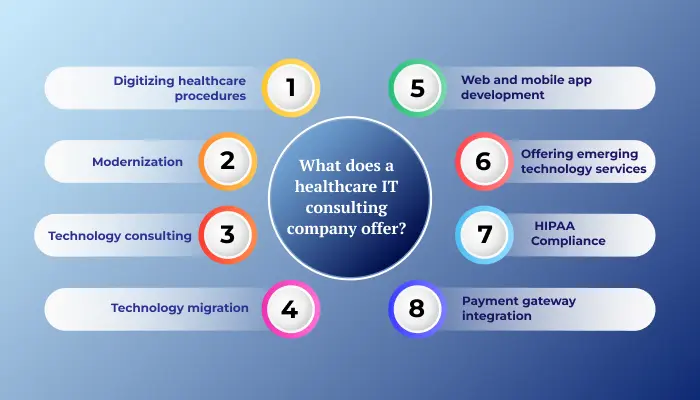
Healthcare providers often struggle with integrating and managing advanced technologies. Here’s how Healthcare IT Consulting solves these challenges:
Many healthcare facilities lack the expertise to choose and implement the right technologies.
Consultants provide tailored solutions that align with organizational goals.
By streamlining workflows and automating processes, IT consulting helps healthcare providers save time and reduce costs.
With rising cyber threats, consultants implement robust cybersecurity measures to protect sensitive patient information.
By addressing these pain points, Healthcare IT Consulting empowers organizations to deliver better care while staying compliant with industry regulations.
What sets Healthcare IT Consulting apart? Here are the standout features:
Consultants design strategies based on the specific needs and goals of each healthcare facility, ensuring maximum impact.
Beyond implementation, consultants offer ongoing training and support to help staff adapt to new systems.
Expertise in healthcare regulations like HIPAA ensures that all technological solutions meet legal standards.
Companies like Deloitte Healthcare Consulting and Accenture Health have become leaders in this space, helping hospitals and clinics optimize their IT infrastructure.
Their success demonstrates the growing demand for expert guidance in healthcare technology.
Medical Equipment Rental Services provide cost-effective access to essential medical tools for patients and healthcare facilities.
From wheelchairs and hospital beds to advanced diagnostic machines, these services cater to short-term needs without the financial burden of purchasing expensive equipment.
The high cost of medical equipment can be a significant barrier for patients and providers. Here’s how rental services solve these challenges:
Renting equipment is more affordable than purchasing, making it accessible for individuals and small healthcare facilities.
For post-surgery recovery or temporary medical conditions, renting is a practical solution.
Smaller clinics and rural facilities can access state-of-the-art equipment without the upfront investment.
These services make healthcare more accessible and affordable for everyone.
What makes Medical Equipment Rental Services stand out? Here are their unique advantages:
Rigorous protocols ensure that all equipment is safe, functional, and hygienic for use.
Services cater to varying durations, from days to months, providing flexibility for different needs.
From basic mobility aids to advanced diagnostic machines, rental services offer a comprehensive inventory.
Companies like RentX and Apria Healthcare have successfully tapped into this market, offering reliable and affordable rental options.
Their ability to provide high-quality equipment with flexible terms has made them indispensable to patients and providers alike.
At AppsRhino, we specialize in helping entrepreneurs bring their innovative ideas for healthcare business to life.
Our expertise in developing custom digital solutions ensures that your healthcare startup stands out in the market. Here’s how we can support your journey:
We build secure, scalable, and user-friendly platforms for EHR systems, telemedicine, and cybersecurity solutions.
Our team can develop intuitive rental platforms with inventory management, payment gateways, and customer support features.
We create end-to-end platforms that integrate travel arrangements, hospital liaisons, and post-treatment care coordination.
Telemedicine is improving healthcare delivery, and we’re here to help you capitalize on this trend.
At AppsRhino, we develop custom telemedicine apps that connect patients with healthcare providers in real-time. Our apps include features like:
Video Consultations: High-quality, secure video calls for virtual doctor visits.
Appointment Scheduling: Easy-to-use booking systems for patients and providers.
E-Prescriptions: Digital prescriptions that can be sent directly to pharmacies.
Health Records Integration: Secure access to patient medical history for better diagnosis and care.
AI-Powered Diagnostics: Advanced tools to assist healthcare providers in making accurate diagnoses.
The future of healthcare is here, and your innovative idea could be the next big thing. Don’t wait—start building your healthcare business startup today with AppsRhino!
Custom Development
7 Apr 2026
Tell us what your business actually runs on today, and we will map what it takes to make it one system.