
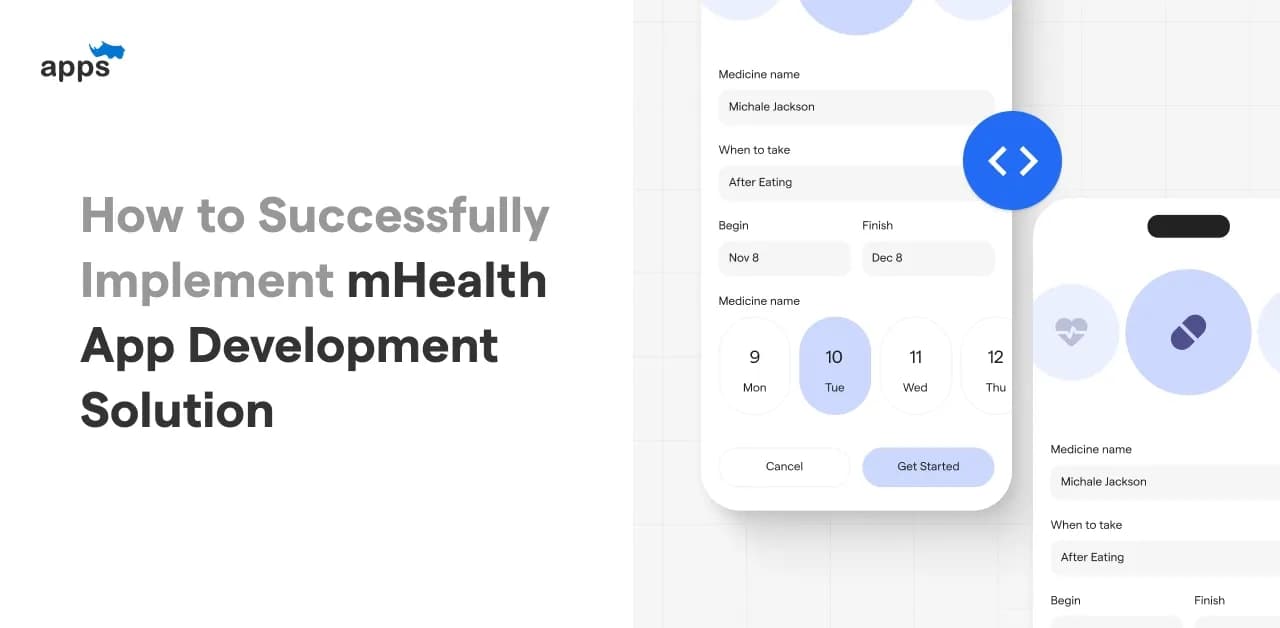

Custom Development
Alcohol Delivery Market Share and Trends: Size, Growth, & Business Opportunities
7 Apr 2026
As our dependence on mobile phones is increasing day by day so are the types of apps in the app stores. You will find every type of mobile app in the app stores one of the prominent ones is the mHealth app.
mHealth apps have brought a revolution in the traditional healthcare system by availing medical care and services to every corner of the world. No matter if the patient is living in some remote location or has a disability, the mHealth app has made patient monitoring, appointment scheduling, and remote consultation accessible to all in real time.
According to the latest statistical report, this industry is still in its booming stage and the market is estimated to grow by $370.7 billion by 2032. This provides a great opportunity for both software developers who are looking to tap into a new market of software development and healthcare professionals who want to elevate their traditional healthcare services by introducing it online to all.
From pre-implementation to post-launch, in this blog, we will provide you with a comprehensive guide and the necessary steps that you should follow to implement an effective mHealth application development strategy.
It is the first and foremost task to understand the user's pain points and requirements before starting the development process.

Knowing your end users or target audience is essential as this will be the foundation of your application development. Various factors such as user demographics, abilities, location, and technical know-how, all things need to be considered before laying the blueprint for application development.
Once the target audience is identified, it is important to analyze their needs and expectations. You can gain insights about your end-user expectations and requirements, and what exactly they want from the specific app by conducting surveys, interviews, and focus group discussions to gather insights into what users are looking for in a healthcare app.
Do not only focus on user research but also know about your competitors, about the market in detail. This will help you to know about existing healthcare applications, their features, and popularity and give you an idea about how differently you can present your mHealth app.
After the research step is complete, now it is time to set clear objectives around your findings, to ensure a successful implementation of mHealth app development.
Defining and setting goals will help you to achieve your successful application. Whether improving patient care, enhancing healthcare accessibility, or promoting preventive healthcare, having well-defined goals will guide the entire development process.

Key performance indicators (KPIs) are measurable metrics that help you track the success and effectiveness of your mHealth app. It is important to establish KPIs that align with your app's goals and regularly track and analyze them to make data-driven decisions.
A project roadmap outlines the key milestones, tasks, and deadlines involved in bringing the app from concept to reality. Creating a project roadmap helps ensure that all team members are on the same page and that the development process progresses smoothly without any major roadblocks.
Selecting the right technology stack is crucial for the successful implementation of mHealth app development.
From no-code to low-code, when it comes to app development, numerous platforms and development frameworks have emerged in recent years. Doing thorough research about the pros and cons, considering the app requirements, development timelines, and budget will give an idea about which framework to choose.
Make sure that the selected technology stack is compatible with the target platforms and devices, such as iOS and Android. Additionally, consider the scalability requirements of your app to ensure that it can handle growing user demands and future updates.
Based on your research and assessment, select the most suitable technology stack for your mHealth app. This may include programming languages, databases, frameworks, and tools. Consider factors such as ease of development, available developer resources, and community support when making your decision.
Suggested Reading:
What is mHealth App & How is it Shaping the Future of Healthcare?
An intuitive and user-friendly interface is vital for the success of a mHealth app. Make sure to keep the accessibility in mind before starting the design process.
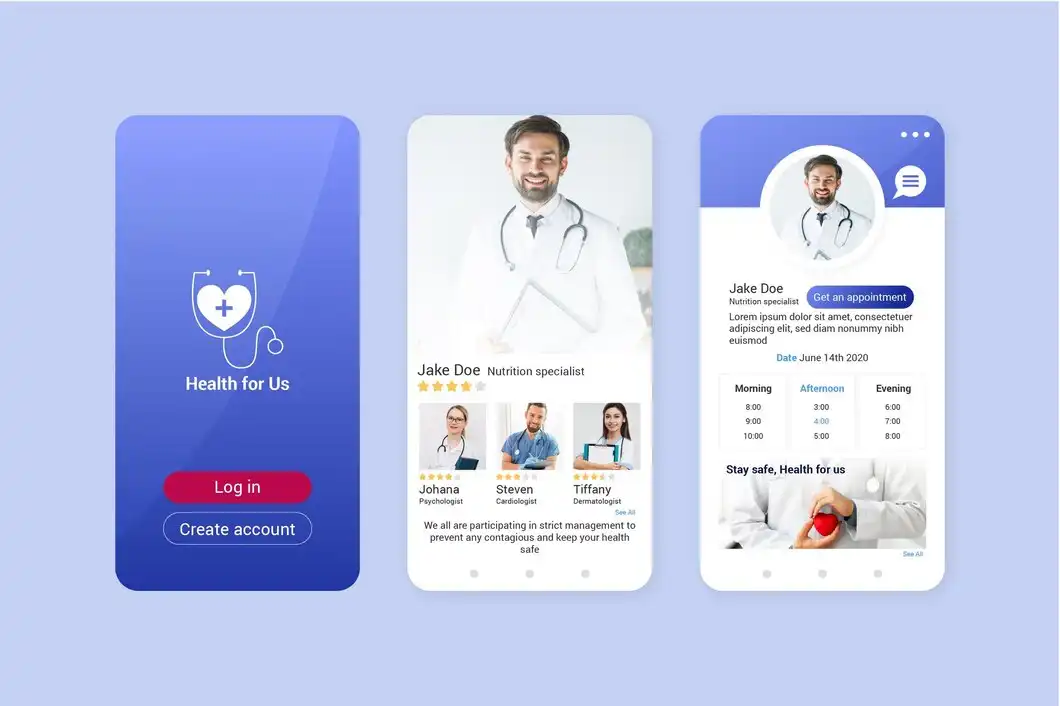
When it comes to designing a healthcare application, along with intuitiveness and user-friendliness in mind, try to make the user interface (UI) and user experience (UX) design as simple as possible. It should guide users through the app effortlessly and provide a seamless experience.
Seamless navigation is key to ensure users can easily move from one screen to another within the app. Implement clear navigation menus, breadcrumbs, and search functionality to help users find what they are looking for quickly.
Accessibility should be the main feature in your mHealth app to cater to users with disabilities or impairments. This may include features such as adjustable font sizes, text-to-speech capabilities, color contrast options, and support for screen readers.
When it comes to healthcare data, it poses a significant security threat because of being confidential. It is crucial to implement robust security measures by adhering to data security regulations such as HIPPA while dealing with sensitive medical records.
You can maintain a secure system by encrypting sensitive user data and conducting regular security audits to ensure the safety and confidentiality of patient information.
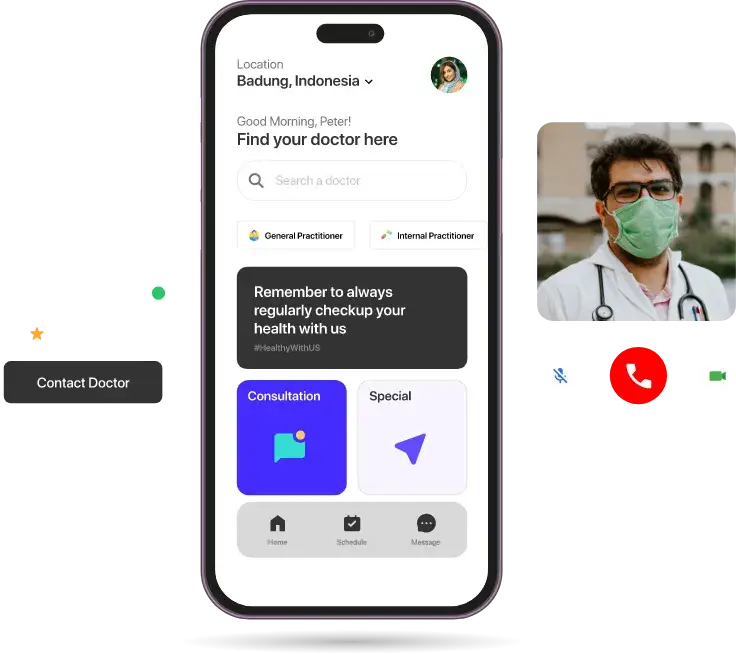
Integrating essential features such as the ability to book appointments, access medical records, monitor health parameters, etc. is important to provide users the ability to manage their healthcare needs effectively.
In terms of security measures, try Implementing features such as user registration and login, two-factor authentication, etc so that users can keep their information secured.
Testing is a crucial step in the mHealth app development process to ensure that it functions as intended and meets user expectations.
Start by developing a comprehensive test plan that outlines the testing strategies, test cases, and test scenarios for your mHealth app. Identify the different aspects of the app that need to be tested, such as functionality, usability, performance, security, and compatibility. This will serve as a roadmap for your testing efforts.
Quality assurance is an ongoing process throughout the development and maintenance of your mHealth app. Continuously monitor and evaluate the app's performance, user feedback, and emerging technologies to identify areas for improvement. Regularly update and optimize the app to maintain high standards of quality.
Suggested Reading:
5 Ways mHealth App Development Changes Your Practice
Once your mHealth app has undergone rigorous testing and quality assurance, it is ready for deployment. Proper deployment and ongoing maintenance are essential for ensuring the app's availability, performance, and security in real-world usage.
Once the testing process is done, it is time to submit your application to the relevant app stores, such as the Apple App Store or Google Play Store. Keep the guidelines and requirements of the platforms in mind for a successful launch.
Appropriate server hosting and infrastructure will ensure the scalability and reliability of your mHealth app. Consider cloud hosting platforms that provide scalability, security, and backup capabilities.
Suggested Reading:
How to choose the right mHealth App Development Partner?
Your job is not complete by just launching the app in the app store. Make sure to implement robust marketing strategies by developing a comprehensive marketing plan, creating compelling content, collaborating with healthcare professionals, creating content, and email marketing to attract users and promote the adoption of your app.
Promoting user adoption and providing proper training is crucial to ensure that users effectively utilize your mHealth app and gain maximum benefit from its features.
Here are some steps to consider:
Design a smooth and user-friendly onboarding process to guide users through the initial setup and familiarize them with the app's features. Keep the process simple and intuitive, and provide clear instructions and tooltips to help users understand how to navigate the app.
Make sure the app has comprehensive training materials, such as user guides, video tutorials, and FAQs, to help users understand how to use your mHealth app effectively. Offer user support channels, including email, chat, or phone support, to address any questions or issues that users may encounter.
Interactive walkthroughs within the app are a great way to guide users through its different features and functionalities. This can help users explore and understand the app's capabilities while providing a hands-on learning experience.
Offer personalization options within your app, allowing users to tailor the app's settings, layouts, and notifications to their preferences. Customization can enhance the user experience and make users feel more connected and in control of their health journey.
Suggested Reading:
Partner with AppsRhino for mHealth App Development
Collecting and analyzing user feedback through surveys, ratings, feedback, etc. plays a vital role in enhancing your mHealth app's features and addressing user needs.

Measuring the success of your mHealth app and tracking Key Performance Indicators (KPIs) is essential to evaluate its performance and make informed decisions. Here are some KPIs you can consider tracking:
The number of app downloads and installs shows the popularity of your app. Monitoring this metric will help you check and implement effective user acquisition strategies and marketing efforts.
A high retention rate indicates that users find value in your app and are likely to continue using it. Retention rate can be calculated to assess how many users continue to use your app over time. Monitor the percentage of users who return to the app after their initial download.
If your mHealth app offers in-app purchases or subscription options, track the conversion rate from free users to paying customers. This metric helps measure the effectiveness of your monetization strategies and pricing models.
Assess the impact of your mHealth app by tracking health outcomes and user satisfaction. Gather data on improvements in health conditions or outcomes for users who regularly use the app. Conduct user satisfaction surveys to gather feedback on how satisfied users are with the app's features and overall experience.
If your mHealth app generates revenue, track the financial performance of the app. Monitor revenue generated from in-app purchases, subscriptions, or partnerships. Calculate your Return on Investment (ROI) to understand the financial viability of your app.
To conclude, with so many application development service providers around, it is really easy to start and implement a successful mHealth application development. Just keeping in mind certain points about the application development company’s expertise, their work ethics, the process they follow, and whether they understand your requirements or not all of this can contribute significantly to your app’s success.
And if you are a development company, make sure that your client has a smooth onboarding process, try to adhere to their requirements, and walk them through every step of your development process.
By following this approach, you can ultimately create a user-centric mHealth app that delivers value and positively impacts users' health journeys.
AppsRhino offers the best Tech-driven solutions for Healthcare services, Home services, Laundry delivery, Alcohol delivery, Grocery Delivery, Food Delivery, and Taxi Services:
Contact AppsRhino Today!
Custom Development
7 Apr 2026
Tell us what your business actually runs on today, and we will map what it takes to make it one system.