

Custom Development
Alcohol Delivery Market Share and Trends: Size, Growth, & Business Opportunities
7 Apr 2026
Are you ready to flip the script on traditional business models and carve out your online ecommerce business path to success? You might think it is daunting and difficult to start an online ecommerce business. But it is not.
With the right ecommerce website development service, starting an online ecommerce business can be simple and inexpensive. Follow the simple steps and tap into the power of the digital world.
In this blog, we'll understand how to start an online ecommerce business in extensive detail and help you build your digital store.

Starting an online ecommerce business can be an exciting and rewarding endeavor. However, it requires careful planning and decision-making to ensure success.
From selecting a profitable niche to choosing an ecommerce website development service.
To start your online ecommerce business, it's essential to identify a profitable niche. This involves understanding your business interests, conducting a market gap analysis, and evaluating the competition.
Once you have identified your niche, select the right ecommerce business model. There are several options available, each with its advantages and considerations.
Utilize ecommerce website services to help you choose the best model for your needs.

To build a strong foundation for your online ecommerce business, it is necessary to select the perfect ecommerce website development service platform and craft a memorable brand identity to attract customers and drive growth.
Choosing the right ecommerce website development service platform is crucial for the success of your online ecommerce business.
Ecommerce website services serves as the backbone of your store, providing you with the necessary tools and functionalities to manage your products.
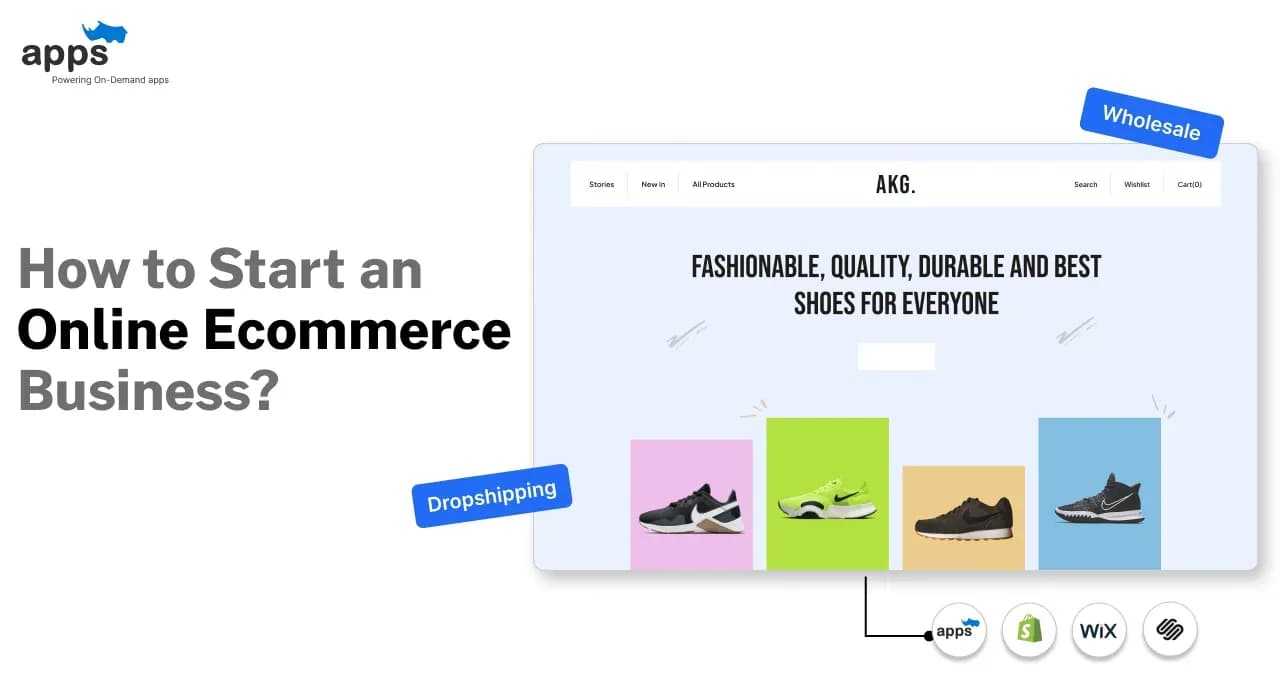
Some of the reputable platforms include AppsRhino, Shopify, Wx, and Squarespace. Each platform offers its unique set of features and benefits.
It's essential to compare these ecommerce website development service options based on features that align with your business requirements.
Choose an ecommerce website development service platform that can scale with your business.
Consider long-term goals and ensure that the platform can accommodate your growth. This includes factors like handling increasing traffic, supporting a larger product catalog, and offering scalability options like integrations with third-party apps.
When choosing an ecommerce website development service, consider your budget and evaluate the overall cost of owning and operating the platform.
While some platforms offer free plans or affordable monthly subscriptions, be aware of hidden costs. Additional features, app purchases, and customizations may incur extra charges.
Crafting a memorable brand identity helps you establish a unique position in the market and attract your target audience.
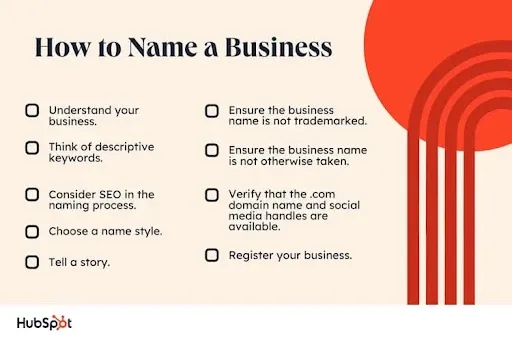
Your online ecommerce business name plays a significant role in shaping your brand identity.
A catchy, memorable, and descriptive name that reflects your products or values. Consider names that are easy to pronounce, spell, and remember. Conduct a trademark search to ensure your finalized name doesn't infringe on existing trademarks.
A domain name is your online address. Select a domain name that aligns with your business and reflects your brand. Choose a name that is concise and easy to type.
Secure your desired domain early to avoid any availability issues.
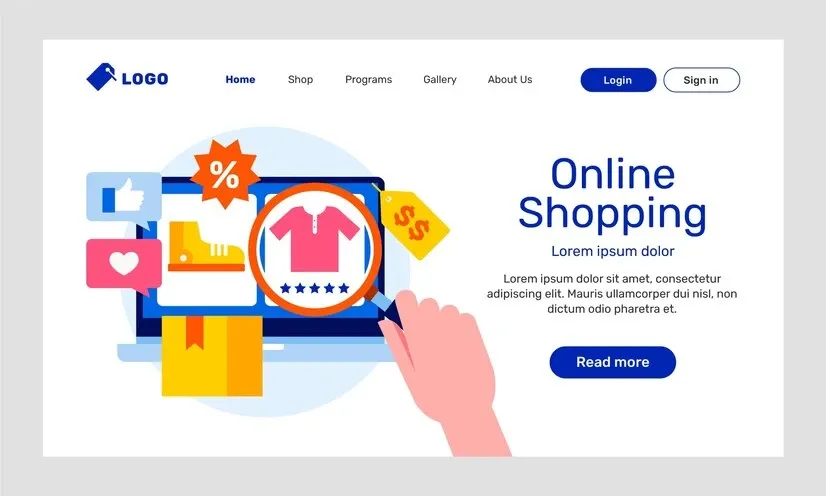
Your website is the face of your online ecommerce business empire. Designing a user-friendly and visually appealing website is crucial.
Consider the overall layout, navigation, and mobile responsiveness of your site. Use high-quality product images, clear product descriptions, and intuitive search and filtering options to help customers find what they need easily.
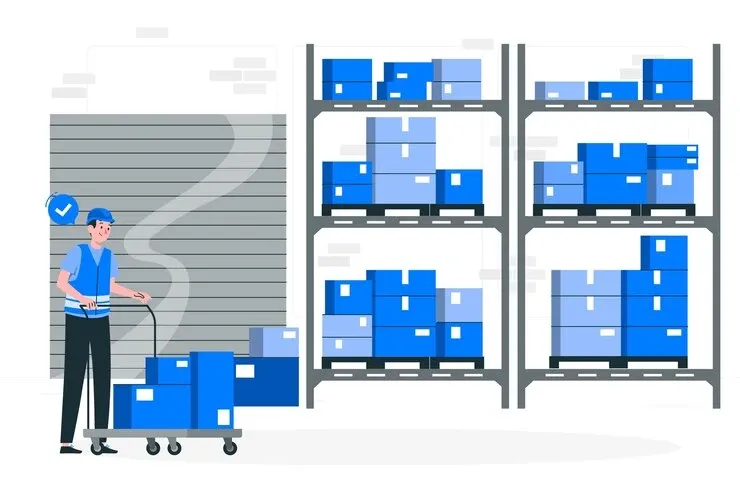
For smooth operation of your online ecommerce business, focus on sourcing and stocking effectively.
Utilize ecommerce website services to find reliable suppliers, manage inventory efficiently, and optimize your stocking processes for success.
The success of your online ecommerce business store heavily relies on the quality of products you offer to customers.
Finding reliable suppliers who provide high-quality goods is crucial for building trust.
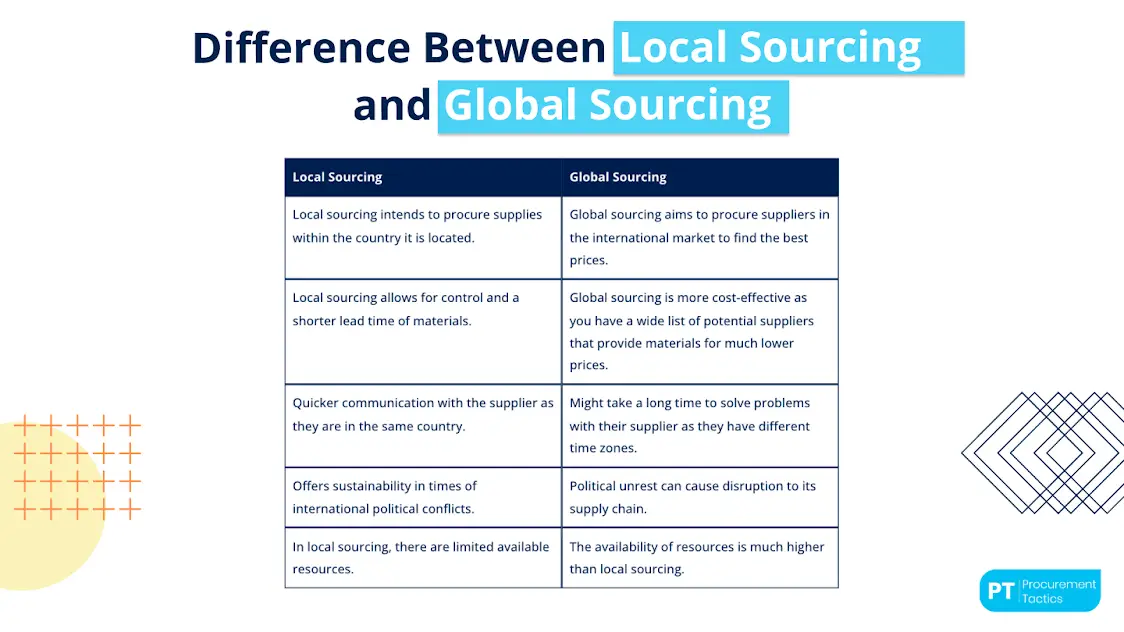
You have the option to work with domestic or international suppliers for sourcing products for your online ecommerce business store.
Domestic suppliers offer advantages like faster shipping times, easier communication, and potentially higher quality control standards.
On the other hand, international suppliers may provide cost-effective solutions, a wider range of products, and unique offerings. Consider factors like shipping costs, import/export regulations, and currency exchange rates.
Maintaining consistent product quality is essential for retaining customers and building a positive reputation. Implement quality control measures before shipping them to customers.
Conduct regular inspections and establish clear quality standards with your suppliers. This ensures that the products satisfy customer needs.
Suggested Reading: 10 Brilliant Ecommerce App Development Examples for 2026
Price negotiation plays a significant role in determining your profit margins and competitiveness in the market.
Negotiate with suppliers to secure competitive prices, allowing you to maintain reasonable pricing for your customers while ensuring profitability.
Additionally, discuss minimum order quantities to meet your stock requirements without overstocking inventory. Build strong relationships with suppliers to leverage discounts and favorable terms for long-term partnerships.
Effective inventory management is essential for running a successful online ecommerce business.
Managing your stock efficiently helps prevent stockouts, reduce holding costs, and optimize order fulfillment processes.

Invest in an inventory management system to track stock levels, monitor product movement, and manage orders effectively.
Ecommerce website services can help streamline your stock control processes by implementing barcode scanning, SKU numbers, and automated reorder points.
Balancing inventory levels is crucial to avoid stockouts that lead to lost sales or overstocking. Implement demand forecasting techniques to anticipate consumer trends, seasonality, and sales patterns.
Analyze market trends and customer insights to adjust your stock levels accordingly.
Organize your warehouse layout for easy access to products, implement efficient shelving systems, and use vertical space effectively.
Employ inventory management techniques like ABC analysis, Just-in-Time inventory, and dropshipping to reduce storage costs. Additionally, improves the overall order fulfillment speed.
Suggested Reading: eCommerce Platform Development: Key Features and Benefits
Before diving into the competitive world of online ecommerce business, establish a strong foundation for launching and marketing your business effectively.
Create engaging product descriptions, develop a winning marketing strategy, and leverage various marketing channels to reach your target audience successfully.
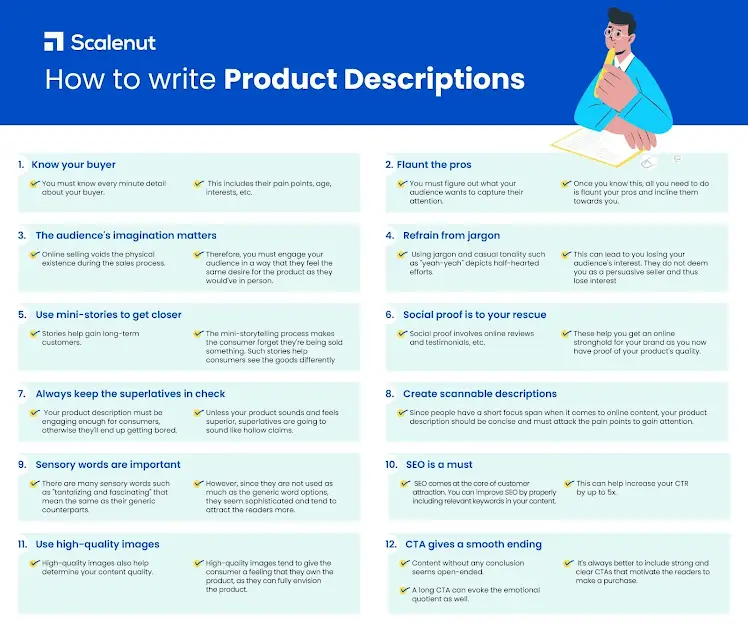
Crafting compelling product descriptions and showcasing high-quality images play a significant role in attracting customers and driving sales to your online ecommerce business store.
Emphasize the unique features and benefits of each product to resonate with your target audience.
Clearly communicate how the product solves a problem or enhances the customer's life. Use descriptive language, bullet points, and engaging storytelling to encourage purchase.
Optimizing your product descriptions for search engines is essential for improving your online visibility and driving organic traffic to your store.
Incorporate relevant keywords, meta tags, and product descriptions to enhance your website's SEO ranking. Conduct keyword research to identify popular search terms related to your products.

Invest in professional photography or use high-quality images to showcase your products from different angles.
Ensure that product images are clear, well-lit, and accurately represent the product features. Incorporate zoom-in capabilities and multiple images to provide customers with a detailed view of the product.
Suggested Reading: eCommerce Customer retention strategies for online businesses
In the competitive landscape of online ecommerce business, a well-defined marketing strategy is essential for driving traffic, increasing conversions, and building brand recognition.

Social media platforms offer a powerful tool for connecting with your target audience and promoting your products effectively.
Identify the social media channels where your customers are most active and create engaging content. Utilize features like targeted ads, influencer collaborations, and interactive posts to drive engagement with your brand.
Pay-Per-Click (PPC) advertising enables you to reach a specific audience and drive traffic to your online ecommerce business store.
Create targeted ad campaigns using platforms like Google Ads to reach potential customers based on their search queries.
Monitor your ad performance, adjust targeting parameters, and optimize ad copy to maximize click-through rates and conversions.

Content marketing and email engagement are powerful tools for building brand awareness, nurturing customer relationships, and driving repeat purchases.
Create valuable content such as blog posts, videos, or infographics that educate, and entertain your audience.
Develop an email marketing strategy to share product updates, promotions, and personalized recommendations with your subscribers, encouraging them to stay connected with your brand.
To ensure the long-term success of your online ecommerce business, it is essential to focus on building customer loyalty.
By providing exceptional customer service and understanding ecommerce legalities and taxes, you can foster trust, gain positive customer reviews, and create a foundation for sustainable growth.

Delivering outstanding customer service is crucial for creating a positive shopping experience and building long-term relationships with your customers.
Offer multiple responsive communication channels such as live chat, email, and phone support to address customer inquiries promptly.
Ensure that your customer service team is well-trained, knowledgeable, and empathetic to provide timely and helpful assistance.
Mishaps and product issues can sometimes occur in online ecommerce business. Handle returns and product issues transparently and efficiently by providing clear return policies and procedures.
Resolve customer concerns professionally, offering solutions such as refunds, exchanges, or replacements when necessary.
By offering such solutions you can turn negative experiences into positive ones, enhancing customer satisfaction and loyalty.

Encourage customers to share their feedback and experiences by providing a seamless review process on your website.
Address any negative feedback promptly, demonstrating your commitment to customer satisfaction.
Positive customer reviews build social proof, boost your brand reputation, and attract new customers to your online ecommerce business store.
Complying with ecommerce legalities and taxes is essential to ensure the smooth operation of your online ecommerce business and avoid any legal complications.
Before launching your online ecommerce business, research and register your business officially.
This also involves deciding where to register the business, which can matter for online-first companies without a physical location. For example, some ecommerce founders explore options like forming an LLC in Wyoming because of its business-friendly rules, lack of state income tax, and relatively simple ongoing compliance requirements.
Familiarize yourself with the legal requirements and policies concerning online ecommerce businesses in your region. Obtain any necessary permits, licenses, or certifications to operate legally and ethically.
Suggested Reading: Strategies for Scaling Your Grocery eCommerce Business
Understanding and adhering to ecommerce tax regulations is crucial for accurate financial record-keeping. Consult with an accountant to ensure you’re collecting and remitting the correct sales tax.
Using ecommerce website services can also help you stay updated on tax regulations and maintain your business’s integrity.

Starting an online ecommerce business can vary in cost depending on several factors, including the complexity of your business model, the ecommerce website development service platform you choose, and the scope of your initial investment.
Here's a breakdown of potential costs to consider:
Potential cost of your online ecommerce business depends heavily on the choices made. Starting small and scaling up as your business grows can help manage costs effectively.
Starting an online ecommerce business requires careful planning and smart choices. From picking your niche and business model to selecting the right ecommerce website services and marketing strategies, you can build a successful online store.
Focus on delivering value, staying innovative, and building strong customer relationships to grow in the ever-changing ecommerce world. Launch with confidence, and watch your dreams become reality.
To make your journey easier, follow our blog for tips on achieving long-term success with your online ecommerce business.
Custom Development
7 Apr 2026
Tell us what your business actually runs on today, and we will map what it takes to make it one system.