
Custom Development
Alcohol Delivery Market Share and Trends: Size, Growth, & Business Opportunities
7 Apr 2026
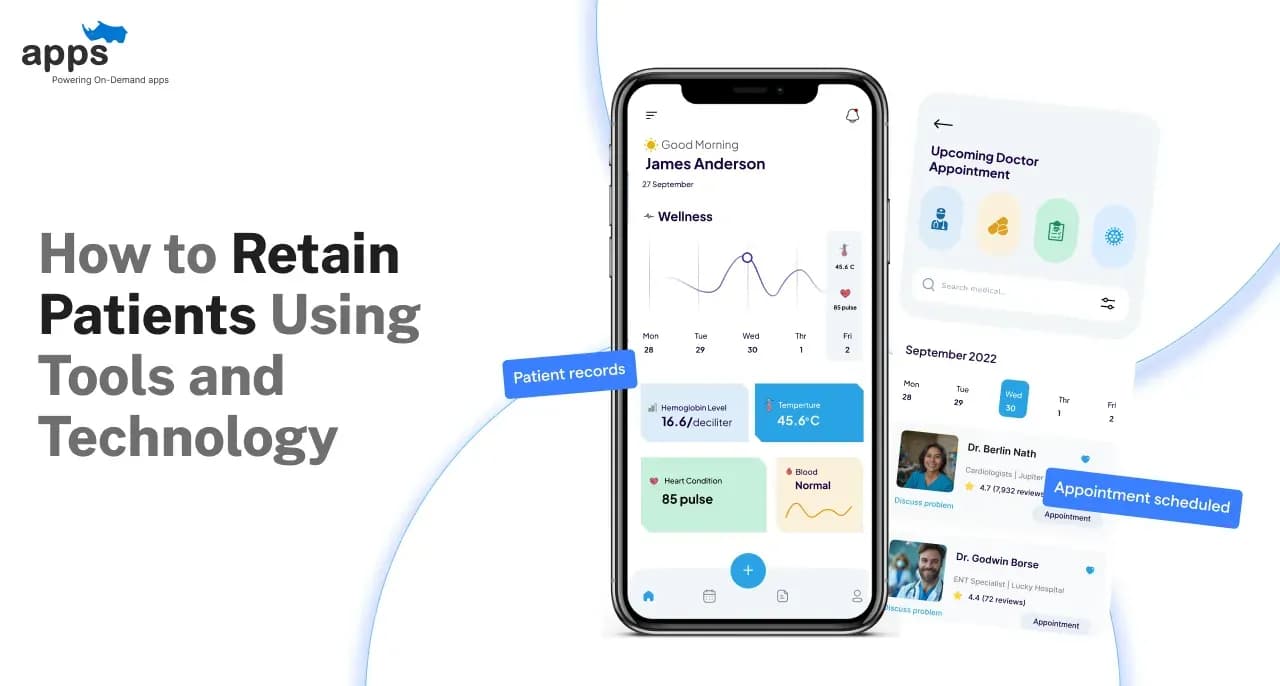
Retaining patients is one of the biggest challenges for healthcare providers today. High patient turnover can lead to lost revenue, lower trust, and a damaged reputation.
The good news?
Digital tools and technology can help healthcare providers retain patients by improving engagement, streamlining services, and enhancing the overall patient experience.
In this guide, we’ll explore the best ways to retain patients using digital solutions, breaking down actionable steps that clinics, hospitals, and private practices can implement right away.
Keeping existing patients satisfied and engaged brings long-term benefits for the healthcare providers. Here’s why:
✅ Higher Revenue: Loyal patients contribute to consistent income, reducing the need for expensive marketing to attract new ones.
✅ Better Patient Outcomes: Regular visits and continuity of care lead to better health management and treatment success.
✅ Lower Marketing Costs: Acquiring a new patient is 5-25 times more expensive than retaining an existing one.
✅ Stronger Reputation: Happy patients refer others and leave positive reviews, boosting your clinic’s credibility.
Despite its importance, many healthcare providers struggle to retain patients due to:
🔴 Lack of engagement & communication – Patients feel disconnected when there’s minimal follow-up and especially when it’s about Health.
🔴 Missed appointments & treatment discontinuation – No-shows and unfinished treatments, healthcare updates hurt both patients and healthcare providers.
🔴 Inconvenient scheduling & follow-ups – Outdated appointment systems create frustration and makes patients go away.
To retain patients for clinics and hospitals, healthcare providers must make the use of digital tools and solutions that improve communication, accessibility, and overall patient experience.
Retaining patients is just as important as acquiring new ones.
High patient retention leads to better health outcomes, increased trust, and sustainable revenue for healthcare providers.
However, many clinics and hospitals struggle with patient engagement, missed appointments, and a lack of streamlined as well as better communication.
So, how can websites help obtain and retain patients in healthcare?
The answer lies in making the use of digital solutions that can improve accessibility, convenience, and overall patient experience.
Below, we explore the best ways to retain patients through telemedicine, digital records, automated scheduling, and mobile health apps.
Telemedicine has altered dramatically patient care by enabling virtual consultations, reducing the need for in-person visits. This is particularly beneficial for patients in remote areas or those with transportation challenges.
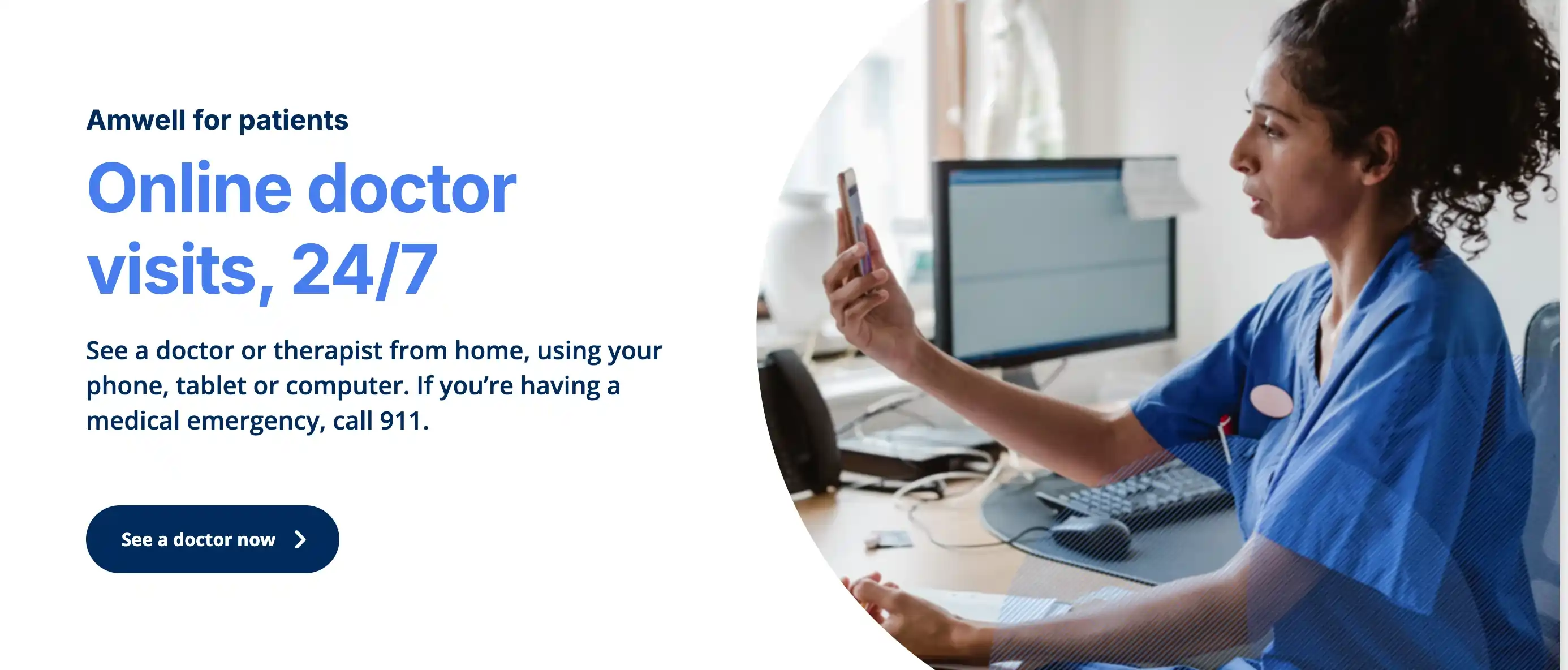
Well now lets see how Telemedicine and Virtual care can help in retaining Patients-
Example: A primary care clinic integrated a telemedicine system that allowed patients to schedule virtual visits for minor ailments.
As a result, patient retention improved by 30% as they appreciated the convenience and accessibility.
Patient portals and EHRs allow individuals to access their medical history, test results, and prescriptions online. This improves transparency and strengthens trust between patients and healthcare providers.
How Patient Portals & Electronic Health Records (EHR) helps to retain Patients-
Example: A multi-specialty clinic implemented a user-friendly patient portal, leading to a 25% increase in patient engagement. Patients were more likely to return for follow-ups because they had easy access to their health records.
Missed appointments are a major issue in healthcare. Automated scheduling systems send SMS, email, or phone reminders to ensure patients don’t forget their appointments.

Ways in which Appointment Scheduling & Reminder Systems helps to retain Patients-
Example: A dental clinic introduced an automated reminder system that sent appointment confirmations and follow-up reminders. As a result, their no-show rate dropped by 40%, and patient retention improved significantly.
Mobile health apps encourage patients to stay engaged in their healthcare journey by providing medication reminders, fitness tracking, and direct communication with providers.
This is how Mobile Health (mHealth) Apps helps to retain Patients-
Example: A cardiology clinic developed an app where patients could log their blood pressure readings and receive real-time feedback. This proactive approach increased patient adherence to treatment plans and improved retention rates.
Healthcare staff often struggle with handling multiple patient inquiries.
AI chatbots automate these interactions, reducing administrative burden, freeing up resources for more critical tasks, and improving overall efficiency.
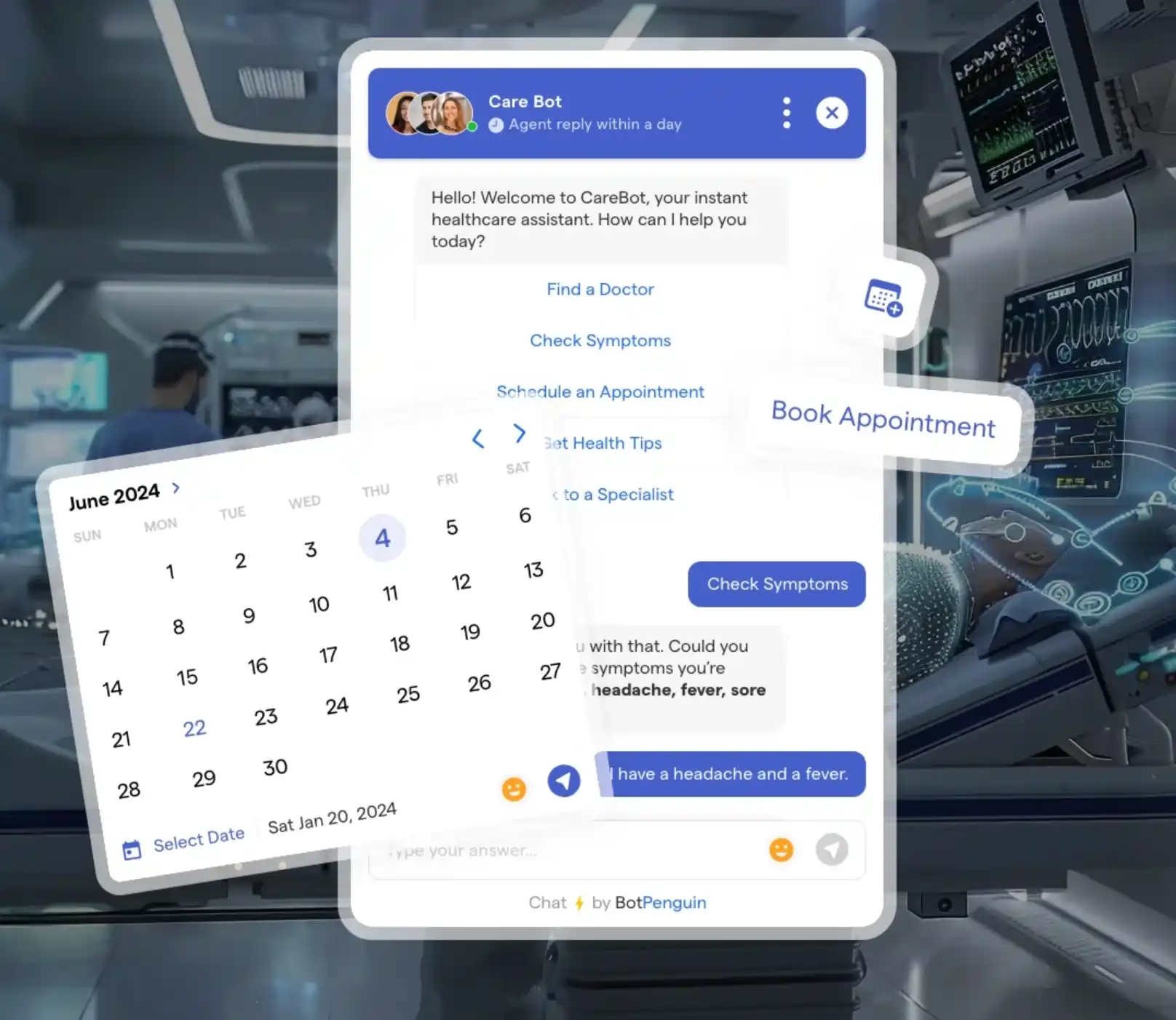
This is how AI-powered chatbots and virtual assistants helps to retain Patients and which is another form of healthcare apps-
Example: A dermatology clinic implemented an AI chatbot for scheduling and answering skincare-related questions. As a result, they saw a 35% increase in patient retention, as patients appreciated the instant support and ease of appointment booking.
RPM devices enable real-time tracking of vital signs, glucose levels, and heart rates, helping doctors detect anomalies early. This proactive approach ensures better patient outcomes and long-term engagement.
Let’s explore how Remote Patient Monitoring (RPM) Devices can help to retain patients-
Example: A cardiac care center integrated RPM devices for hypertension patients. By monitoring blood pressure remotely, doctors adjusted medications promptly, reducing hospital visits by 40% and improving patient loyalty.
Healthcare providers can leverage social media to educate patients about health conditions, treatments, and wellness tips. Engaged patients feel more connected to their healthcare providers, increasing retention.
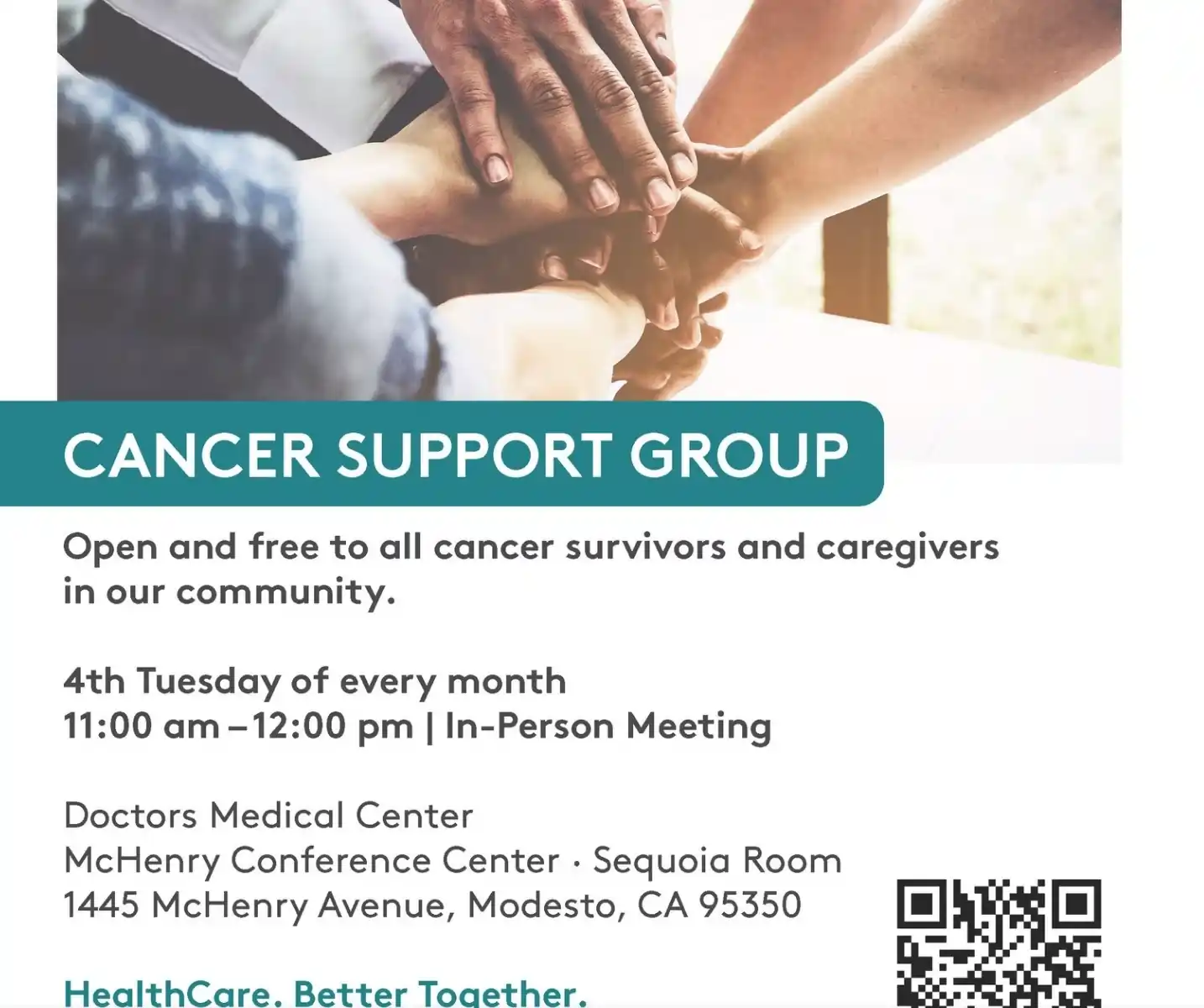
Let’s explore how can Social Media & Online Communities help to retain patients-
Example: A diabetes clinic launched a Facebook support group for patients to share dietary tips and lifestyle changes. This initiative boosted patient loyalty by 50%, as members felt supported beyond consultations.
CRM systems store patient histories, preferences, and interactions, allowing clinics to send personalized reminders, health tips, and follow-ups. This proactive engagement helps retain patients.
This is how Healthcare CRM (Customer Relationship Management) Systems helps in patient retain
Example: A dental practice implemented a CRM system to automate appointment reminders and follow-up emails. This led to a 30% improvement in patient retention, as patients appreciated the seamless communication.
With increasing competition in the healthcare industry, using digital tools is the best way to retain patients and ensure long-term loyalty.
This guide walks you through actionable steps to implement digital tools effectively in your practice.
Before integrating digital tools, evaluate your existing patient engagement strategies and identify gaps in service delivery.
Key Takeaway: Understanding where your current approach falls short will help you implement the right digital solutions to improve patient satisfaction and loyalty.
Selecting the right technology ensures a better experience for both patients and healthcare providers.
Key Takeaway: Digital tools should enhance the patient journey, making interactions smoother, more accessible, and personalized.
Even the best technology is ineffective if staff members are not well-equipped to use it.
Key Takeaway: A well-trained team can drive higher patient engagement and ensure smooth adoption of digital tools.
Encouraging patients to use digital tools enhances their experience and increases retention rates.
Key Takeaway: Educating patients about digital tools makes them more likely to engage with your practice and stay loyal over time.
Implementing digital tools is just the beginning—continuous monitoring and optimization ensure long-term success.
Key Takeaway: Data-driven improvements enhance patient satisfaction and ensure digital tools continue to deliver value.
Now we will explore three real-world case studies that showcase how digital solutions are transforming healthcare operations and patient experiences.
Many rural communities struggle with inadequate healthcare services due to a shortage of medical professionals and facilities.
Patients often travel long distances for consultations, leading to delays in treatment and poor health outcomes.
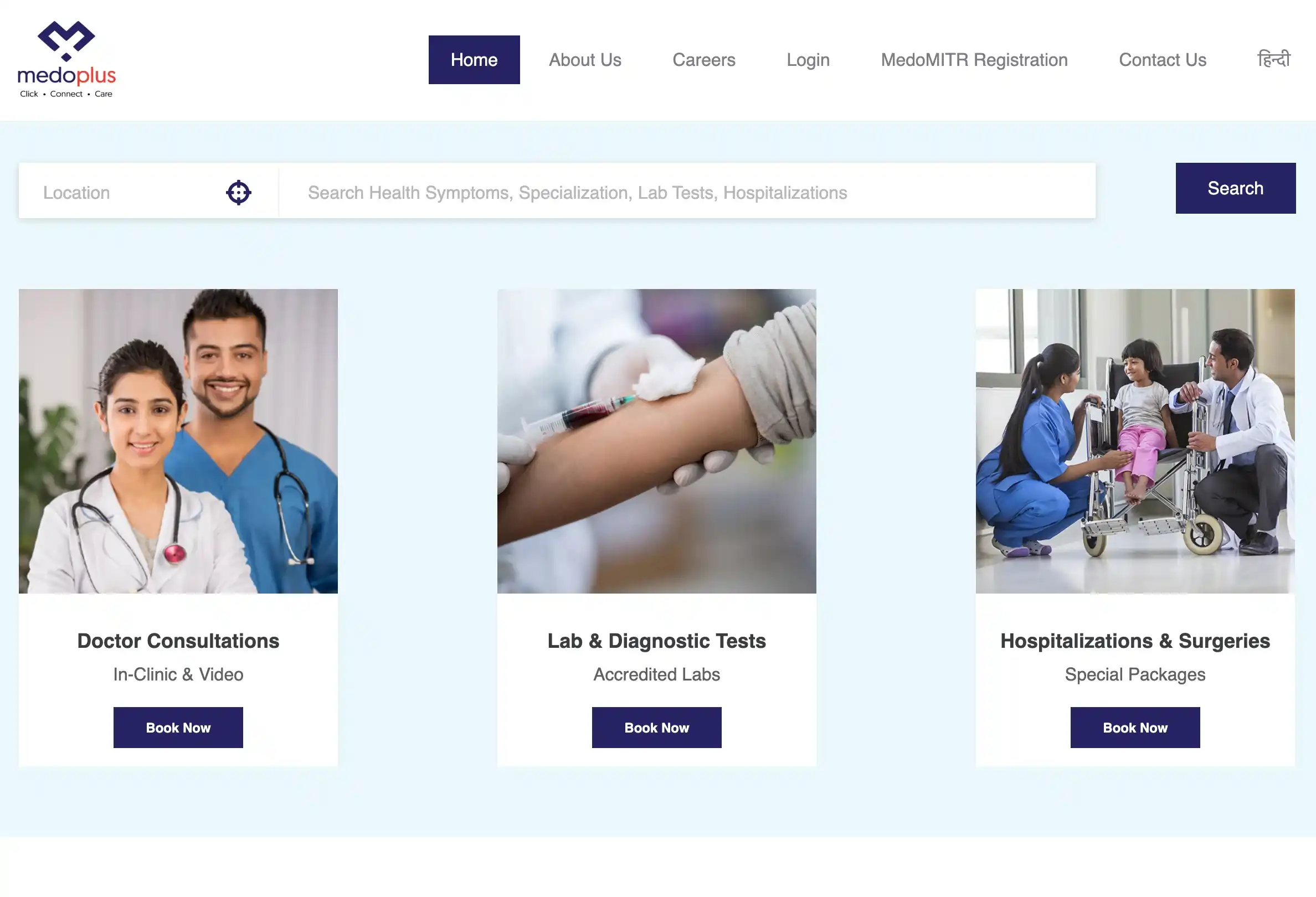
Telemedicine Platforms
Medoplus, a leading telemedicine provider, implemented a virtual consultation platform that connects rural patients with experienced healthcare professionals.
Through secure video calls, patients receive real-time diagnoses, prescriptions, and follow-up care without leaving their homes.
The Impact:
Key Takeaway: Telemedicine is a game-changer in rural healthcare, providing continuous care and helping retain patients by eliminating geographical barriers.
Hospitals and clinics receive thousands of calls daily, leading to long wait times and frustration among patients.
Many inquiries are repetitive, such as appointment scheduling, prescription refills, and general FAQs.
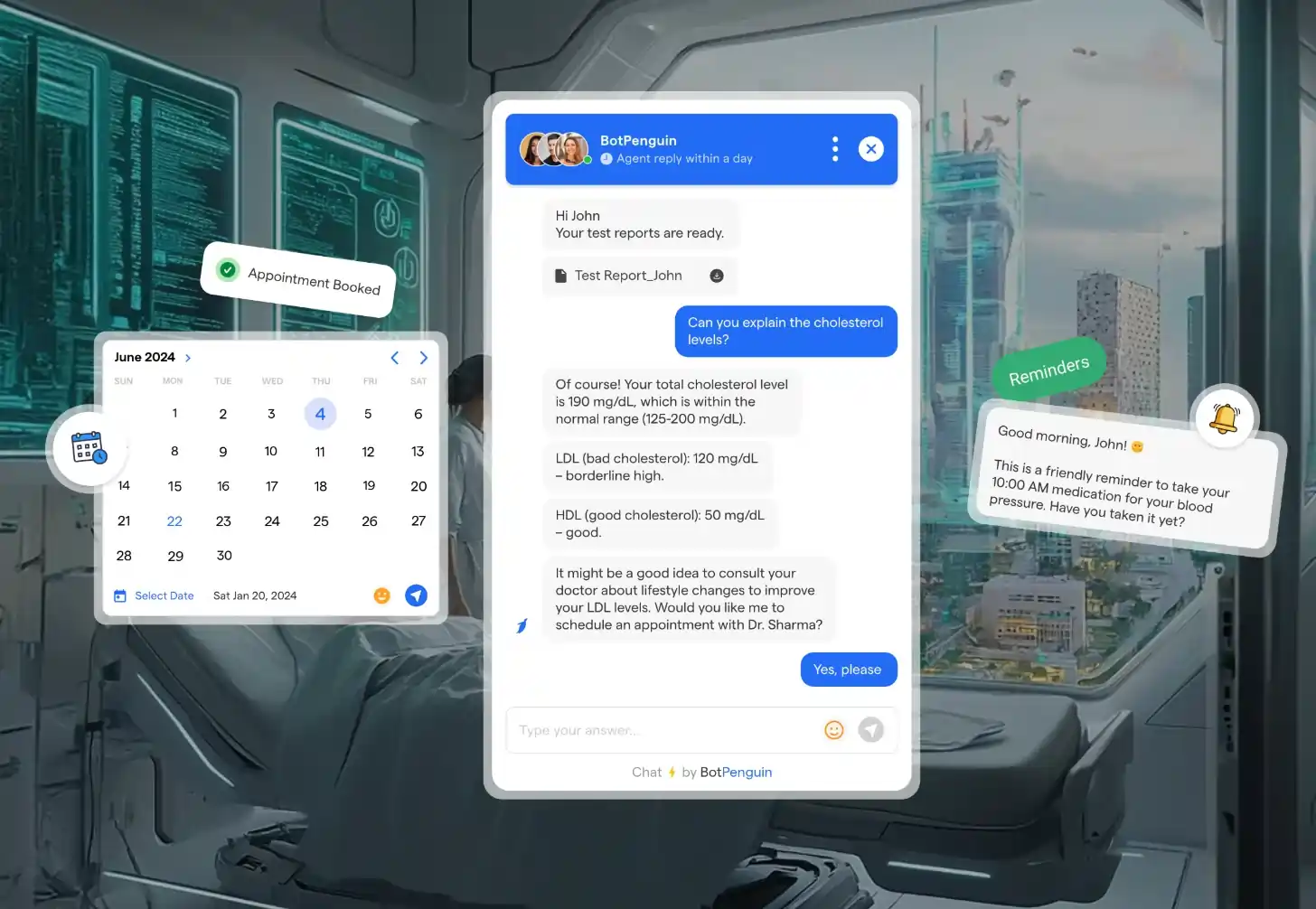
AI-Powered Chatbots
A major hospital integrated an AI chatbot into its website and mobile app to handle patient queries 24/7.
The chatbot answered frequently asked questions, scheduled appointments, and provided prescription reminders without human intervention.
The Impact
Key Takeaway: AI chatbots ensure timely patient engagement, making it easier for healthcare providers to retain patients for their clinics while reducing administrative burdens.
Patients with chronic conditions like heart disease and diabetes often experience sudden health complications, leading to frequent emergency visits.
Poor monitoring and lack of real-time health data exacerbate the issue.
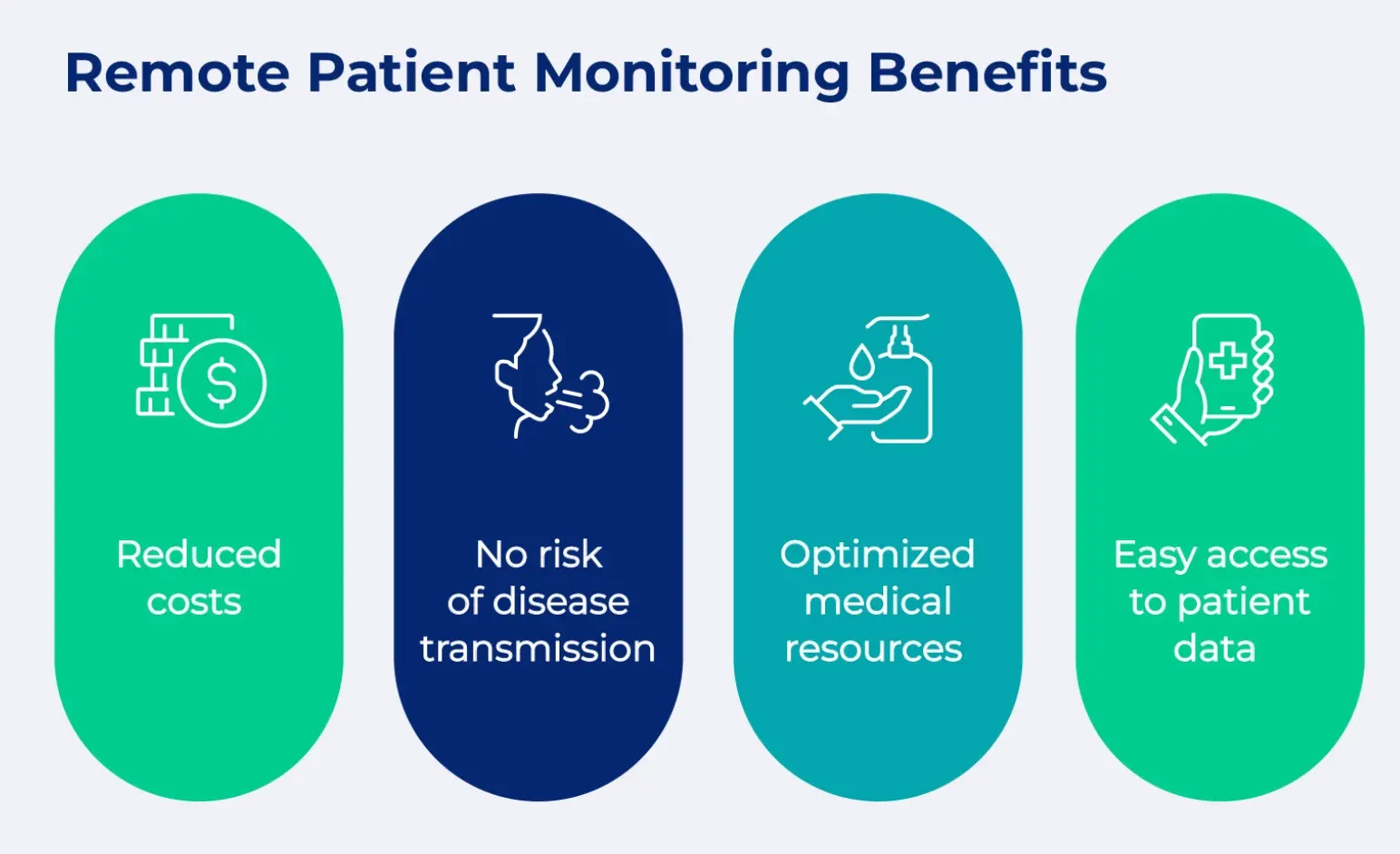
Remote Patient Monitoring (RPM) Devices
A cardiac clinic implemented RPM devices that track vital signs, detect anomalies, and alert doctors instantly. Patients were also educated on self-monitoring practices through a connected mobile app.
The Impact:
Key Takeaway: Remote patient monitoring enables preventative care, helping healthcare providers retain patients by offering personalized, data-driven treatment.
Retaining patients in today’s digital age requires a combination of engagement, convenience, and cutting-edge technology. By adopting tools like AI-driven analytics, voice assistants, VR, and wearable tech, you can create a patient-centric experience that fosters loyalty and satisfaction.
At AppsRhino, we specialize in providing tailored digital solutions designed to help healthcare providers like you retain patients effectively.
Our platform integrates seamlessly with your existing systems, offering features such as:
With AppsRhino, you’re not just adopting technology—you’re investing in a partner dedicated to helping you build stronger patient relationships and grow your practice.
Custom Development
7 Apr 2026
Tell us what your business actually runs on today, and we will map what it takes to make it one system.