
Custom Development
Alcohol Delivery Market Share and Trends: Size, Growth, & Business Opportunities
7 Apr 2026
E-commerce enterprise development has revolutionized how businesses operate, offering unprecedented opportunities for growth and efficiency.
From showcasing products to connecting with buyers, managing inventory, and interacting with other businesses, enterprise e-commerce solutions are now indispensable.
Tailored e-commerce development solutions and customized strategies are essential for business owners aiming to thrive in today’s competitive market.
However, implementing enterprise e-commerce solutions successfully is a complex task that requires meticulous planning and execution.
This blog will delve into the critical aspects of implementing enterprise e-commerce solutions, including selecting the right e-commerce platform, designing an efficient order fulfillment process, and addressing every intricate detail to ensure a successful deployment.

Enterprise e-commerce refers to large-scale businesses using advanced enterprise e-commerce solutions to manage a high volume of transactions, complex product catalogs, and diverse customer segments.
These solutions are tailored to meet the specific needs of enterprise-level businesses, providing robust features and scalability to support their operational demands.
In enterprise e-commerce solutions, it's crucial to understand the distinctions between business-to-business (B2B) and business-to-consumer (B2C) models.
B2B e-commerce development solutions facilitate business transactions, often involving custom pricing, bulk ordering, and complex procurement processes.
Conversely, B2C customized e-commerce solutions emphasize direct sales to individual consumers, emphasizing user experience, personalization, and omnichannel engagement.
Before implementing enterprise e-commerce solutions, conducting a thorough assessment of your business requirements and objectives is essential.
This includes evaluating your current e-commerce capabilities, identifying pain points, and setting clear goals for the new solution.
Understanding your unique needs will guide you in selecting the most suitable enterprise e-commerce solution and customization options.
Exploring the factors and considerations in selecting the most suitable enterprise e-commerce platform for your business.
When considering enterprise e-commerce solutions, businesses must decide between open-source and SaaS models.
Open-source e-commerce development solutions provide flexibility and customizability, allowing businesses to tailor the system to their specific requirements.
On the other hand, SaaS platforms offer a more streamlined approach, with the service provider managing hosting, maintenance, and updates.
Determining the best model depends on factors such as IT resources, scalability needs, and total cost of ownership.
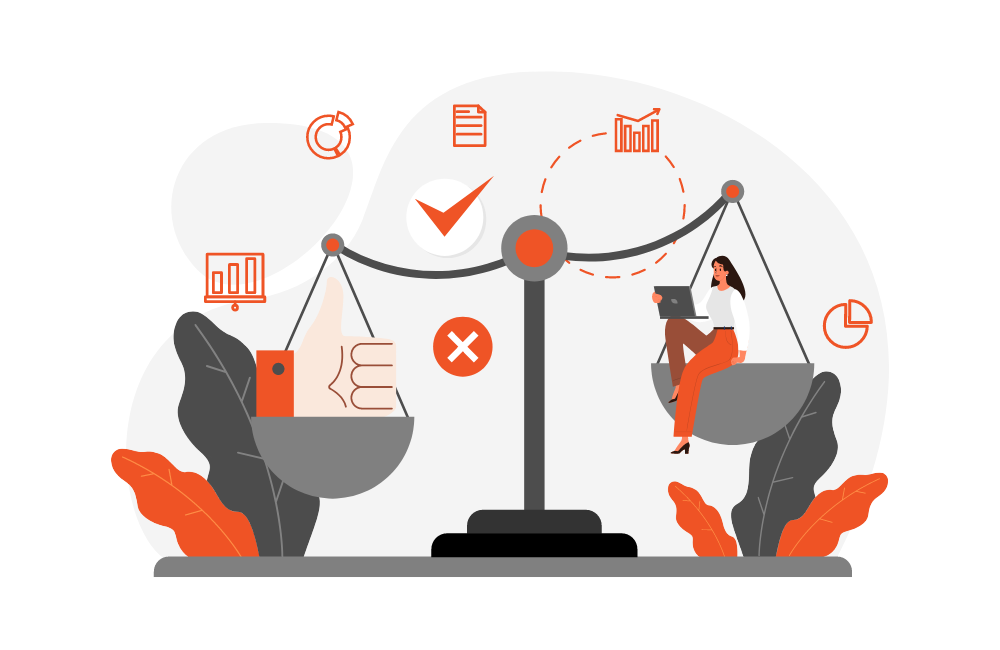
Selecting the right enterprise e-commerce solution requires examining essential features versus additional functionalities meticulously.
Must-have features might include robust security protocols, advanced product catalog management, multi-channel selling capabilities, and seamless integration with backend systems.
It's important to prioritize customized e-commerce solution features that directly align with your business objectives and customer expectations while remaining mindful of unnecessary bells and whistles that could complicate the system.

As enterprise businesses grow and evolve, their enterprise e-commerce solution must accommodate increasing demands and technological advancements.
Scalability is a critical consideration, ensuring that the platform can handle escalating traffic, expanding product catalogs, and evolving business needs.
Additionally, seamless integration capabilities of the e-commerce development solution with enterprise resource planning (ERP), customer relationship management (CRM), and third-party applications are essential for maintaining operational efficiency and data connectivity across the organization.
In the rapidly evolving digital landscape, a robust enterprise e-commerce solution is essential for businesses to thrive in the competitive market.
Building a strong foundation is crucial to the success of your e-commerce development solutions.
This section will explore key strategies and best practices that can help you lay the groundwork for successfully implementing a custom e-commerce solution.
Data migration and system integration are critical components of any enterprise e-commerce solution implementation.
It involves transferring existing data from legacy systems to the new e-commerce platform seamlessly.
To ensure a smooth transition, consider the following strategies:
Managing and organizing product information in the e-commerce development solution is vital for seamless customer experiences.
Implementing a Product Information Management (PIM) system can streamline this process.
Consider the following tips for optimizing PIM for enterprise e-commerce solution’s success:

Creating a user-friendly and secure shopping experience is key to winning customer trust and loyalty.
Consider implementing the following strategies in your customized e-commerce solution to build a secure customer environment.
Suggested Reading :
7 Ways to Maximize ROI with Custom E-commerce Software Development
Once you have built a strong foundation for your enterprise e-commerce solution, ensuring a smooth launch and ongoing success is essential.
This section will explore key strategies for a successful launch and long-term maintenance of your e-commerce development solution.
A well-defined go-to-market strategy is crucial for the successful launch of your e-commerce platform. Consider the following steps when developing your strategy:
Maintaining your e-commerce platform's performance, security, and functionality is crucial for long-term success. Consider the following practices for ongoing maintenance:
Measuring the success of your e-commerce platform is essential for ongoing optimization and growth. Consider the following metrics to track and analyze:
By following these strategies and best practices, you can build a strong foundation for your enterprise e-commerce solution, ensuring a smooth launch and continued success in the evolving digital landscape.
In conclusion, the successful implementation of enterprise e-commerce solutions requires meticulous planning, a deep understanding of business needs, and the adoption of best practices.
From selecting the right platform to ensuring data migration, system integration, and ongoing maintenance, every step plays a crucial role in shaping a robust and scalable e-commerce environment.
Businesses can ensure a smooth launch and long-term success in the competitive online marketplace by prioritizing the business’s long-term goals, user experience, security, and continuous optimization based on key metrics.
Through effective technology integration, streamlined processes, and a customer-centric approach, enterprises can unlock new opportunities for growth and competitiveness in the digital marketplace.
Embracing these strategies will enable enterprises to enhance their competitiveness, drive growth, and meet the evolving demands of the digital landscape.
At AppsRhino, we consider each of your business needs and come up with a solution that meets your long-term business objectives.
We have a team of experts who are well versed in the latest technologies who will help you at every step in the implementation of enterprise e-commerce solutions and even beyond with scaling and other customer care services.
Suggested Reading :
Custom mobile app development: Key to success in e-commerce business
Custom Development
7 Apr 2026
Tell us what your business actually runs on today, and we will map what it takes to make it one system.