
Custom Development
Alcohol Delivery Market Share and Trends: Size, Growth, & Business Opportunities
7 Apr 2026
Having a web application for your business isn’t just an option—it’s a necessity. Whether you're an entrepreneur, a startup founder, or an established business owner, a well-built web application can streamline operations, enhance customer engagement, and drive revenue growth.
But how to develop a web application that truly solves a problem and delivers value to the users?
This guide will walk you through each step, from identifying the problem to launching and maintaining a high-performing web-based application.
Before starting the development of a web-based application, you need to be clear about its purpose.

Many businesses fail because they start with a vague idea rather than a well-defined problem for whose solution they are looking for-
For example, if you run a logistics business, a web application that provides real-time tracking and automated inventory management could address inefficiencies.
✅ Example: If you’re in the eCommerce industry, a web-based application with AI-powered product recommendations and a seamless checkout process can boost sales.
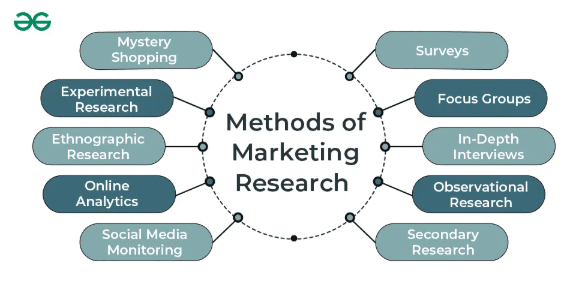
Market research is a critical first step in the development of a web-based application. It ensures you’re not building something that already exists—or worse, something no one needs.
By analyzing competitors and understanding your audience, you can identify gaps and opportunities in the market.
Studying competitors helps you identify what works, what doesn’t, and where you can stand out.
If you’re developing an online appointment booking system, competitors might have limited payment options or lack automated reminders.
Your application can differentiate itself by integrating multiple payment gateways and AI-powered scheduling.
A web application is only as good as its user adoption rate. If people don’t find it useful, they won’t use it.
If you’re building a healthcare web application, your target users may include patients, doctors, and clinic admins.
Each group has unique needs—patients want easy appointment booking, while doctors need secure data access.
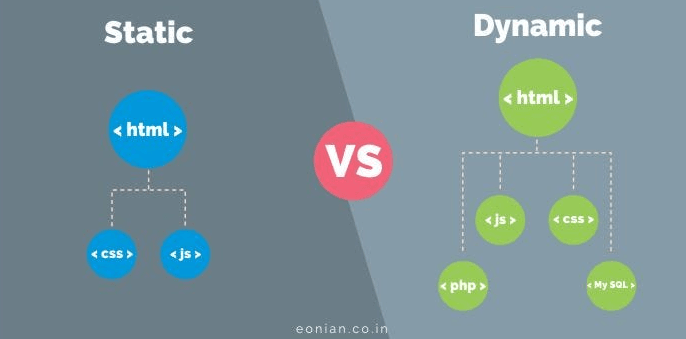
Once you know the market demand, the next step is deciding what type of web application best fits your business goals.
Your choice between static and dynamic applications depends on how much interactivity your users require.
A consultant’s portfolio website that showcases services and contact details can be static since the content remains unchanged.
Amazon or Netflix are dynamic applications that personalize content based on user behavior.
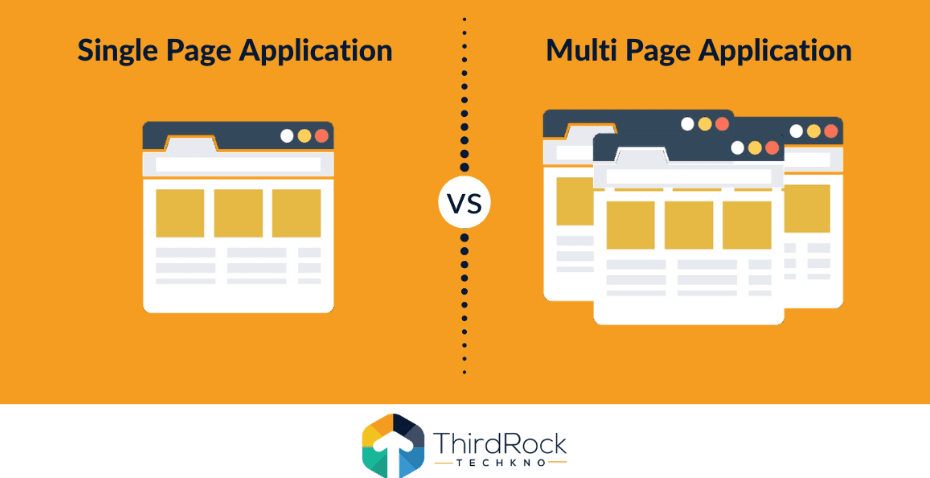
Another critical decision in web application development is choosing between SPA (Single-Page Application) and MPA (Multi-Page Application).
Gmail and Trello are SPAs that provide seamless navigation without full-page reloads.
Amazon and Wikipedia are MPAs that handle vast amounts of structured data efficiently.
The success of a web application depends on its ability to solve the real problems effectively. Businesses must ensure their application includes the right set of essential features while prioritizing functionalities that bring immediate value.
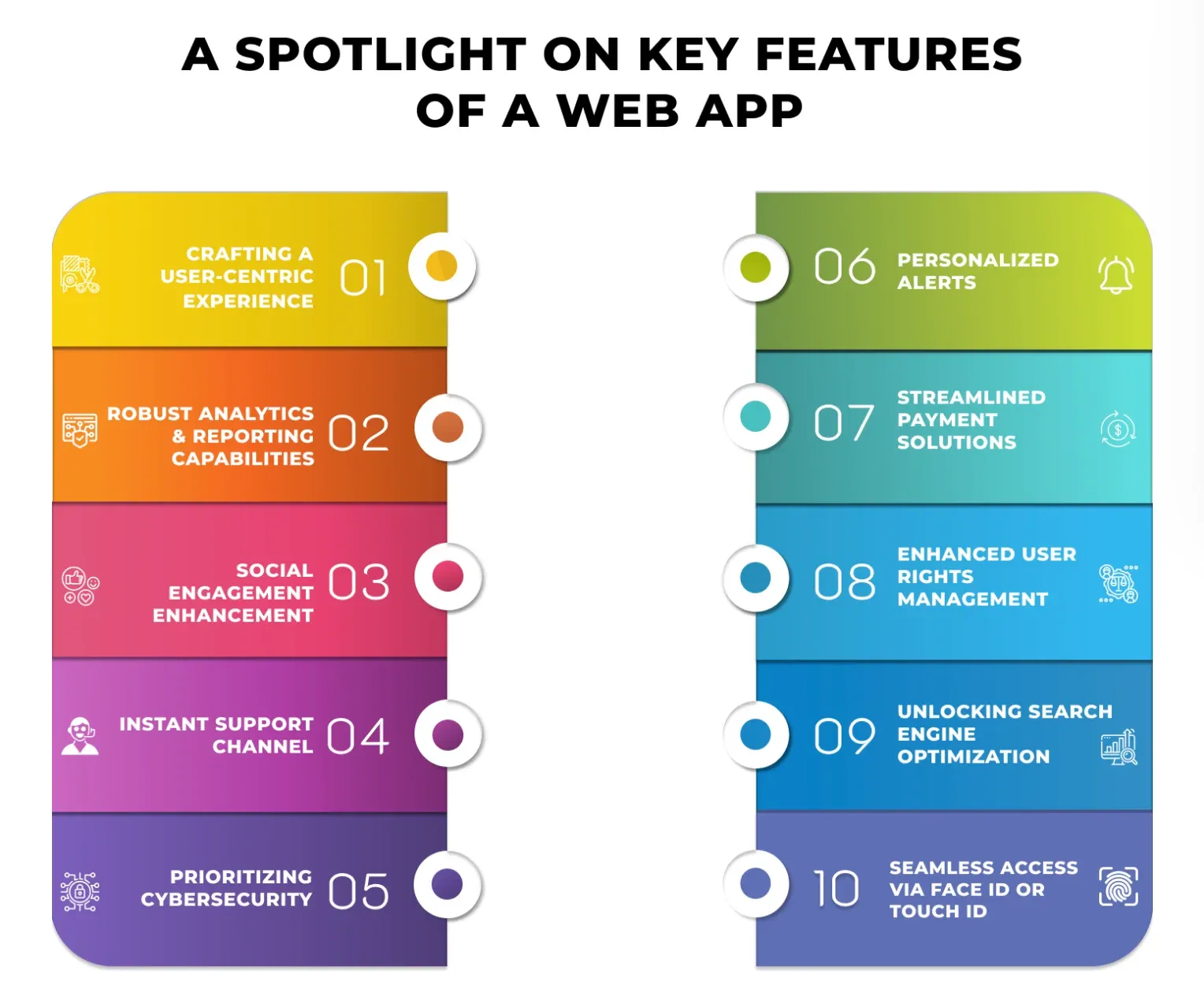
Before you start the development of a web-based application, identify the key features that will make it useful and competitive.
Here are the must-have features every web application should include:
🔹 Why It Matters: Users need a secure way to access their accounts and sensitive information.
🔹 Solution: Implement multi-factor authentication (MFA), SSL encryption, and role-based access control (RBAC) to enhance security.
🔹 Why It Matters: A cluttered dashboard confuses users and slows down productivity.
🔹 Solution: A minimalist, easy-to-navigate dashboard that offers quick access to key functions improves user efficiency.
Suggested Reading:
Angular vs React: Which is Best for Your Custom Web App?
🔹 Why It Matters: Every web application deals with data—whether it's customer records, orders, or analytics.
🔹 Solution: Use cloud-based databases (AWS, Firebase, MongoDB) for real-time data storage and access.
🔹 Why It Matters: Businesses often rely on multiple tools (CRM, Payment Gateway, Email Automation).
🔹 Solution: Enable API integrations with popular tools like Stripe, PayPal, Salesforce, and Zapier.
🔹 Why It Matters: Over 60% of web traffic comes from mobile devices.
🔹 Solution: Ensure the application adapts to different screen sizes using responsive design principles.
🔹 Why It Matters: Real-time alerts keep users informed about critical updates (e.g., order status, messages, system notifications).
🔹 Solution: Implement push notifications, email alerts, and in-app updates.
Building an application with every possible feature in the first version is not ideal—it increases costs and delays the launch.
Instead, businesses should focus on a Minimum Viable Product (MVP) with high-impact features and plan additional functionalities for later updates.
✅ Example: If you’re launching a real estate web application, the MVP should include property listings, user authentication, and search filters.
Advanced features like AI-driven property recommendations can be introduced in later updates.

Having powerful features is not enough—users should navigate them effortlessly. A clean and intuitive UI with an engaging UX ensures that users stay on the platform and take action.
Before developers start coding, it's crucial to create wireframes—blueprints of the application's structure.
✔ Provides a clear layout of how pages and elements will be structured.
✔ Identifies potential usability issues early.
✔ Saves development time and cost by reducing iterations.
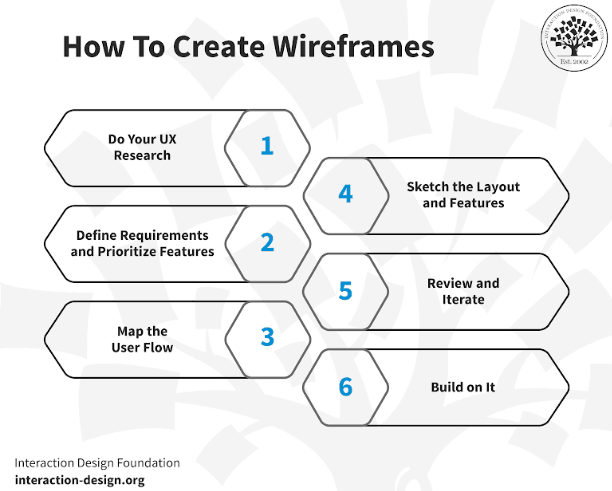
✅ Example: For an eCommerce web application, a wireframe should clearly define the layout for:
Prototypes take wireframes one step further by adding interactivity. Before launching a full-scale application, businesses should test user interactions through prototypes.
✔ Helps stakeholders visualize the final product before investing in full development.
✔ Enables user testing to identify UX pain points.
✔ Saves money and effort by catching errors before coding starts.
✅ Example: A food delivery web application prototype should allow users to:
A responsive web application adapts to different devices and screen sizes without losing functionality.
✔ Over 50% of users abandon a website if it isn’t mobile-friendly.
✔ Google ranks mobile-optimized web applications higher in search results.
✅ Example: A banking web application must ensure that account management, transactions, and loan applications are easily accessible on both desktops and mobile devices.
Your technology stack is the foundation of your web application. It dictates the performance, user experience, and scalability of your platform.
Choosing the right combination of technologies is essential for ensuring a seamless development process.
The front-end of a web application is what users interact with—it determines the look, feel, and responsiveness of the app.
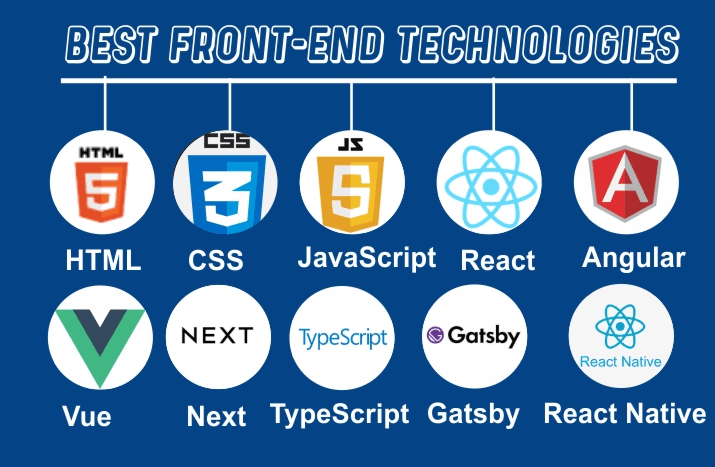
✅ Example: If you’re developing a real estate platform, using React.js can provide a smooth and interactive property search experience.
The back-end powers the business logic, data processing, and application security. Choosing the right backend technology ensures efficiency, scalability, and performance.
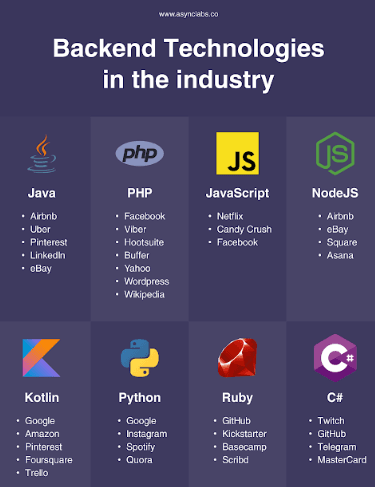
A database is crucial for storing and managing data securely. The choice depends on the complexity of your application.
✅ Example: If you’re building a SaaS dashboard with real-time updates, MongoDB + Node.js would be a powerful tech stack for high-speed data handling.
Your custom web application needs a reliable hosting provider to ensure uptime, security, and performance.
✅ Example: If you expect high traffic, choosing AWS or Google Cloud ensures your web application scales effortlessly.
🚀 Pro Tip: Always consider future scalability when selecting your technology stack. As your business grows, your application should handle increasing traffic and data without performance issues.

Once you have a clear vision and technology stack, the next crucial decision is who will build your web application. Your development partner will directly impact the speed, cost, and quality of your application.
Here are the four primary options you can choose from:
Large businesses, long-term projects, and companies needing full control over development.
✔ Full ownership and control of the project.
✔ Seamless communication between teams.
✔ Long-term support and maintenance.
❌ High hiring and operational costs.
❌ Requires strong internal project management.
✅ Example: A fintech startup with a long-term vision for scaling globally may benefit from an in-house development team to continuously improve the product.
Small projects, MVP development, or businesses with tight budgets.
✔ Cost-effective for small tasks or prototypes.
✔ Quick turnaround for specific features.
✔ Access to a wide talent pool globally.
❌ Lack of commitment and reliability.
❌ May require hiring multiple freelancers for different expertise (UI/UX, backend, security).
❌ Limited post-launch support.
✅ Example: A small eCommerce store might hire a freelancer to develop a custom checkout feature instead of a full-scale development team.
Businesses looking for a full-scale, professional solution with post-launch support.
✔ Expertise in full-cycle development, from ideation to deployment.
✔ Access to a team of experienced developers, UI/UX designers, and project managers.
✔ Reliable post-launch support and maintenance.
✔ Best option for scalable and complex applications.
❌ Higher initial investment compared to freelancers.
❌ Requires due diligence to find a reputable agency.
✅ Example: A healthcare company launching a patient management web application should partner with a software development agency to ensure compliance with data security and HIPAA regulations.
🚀 Pro Tip: Look for case studies, client reviews, and industry expertise before selecting a software development partner.
Entrepreneurs and small businesses needing a quick MVP or internal tools without hiring developers.
✔ Faster development with drag-and-drop functionality.
✔ No coding expertise required.
✔ Cost-effective for simple web applications.
❌ Limited customization and flexibility.
❌ Not ideal for scalable, feature-rich applications.
✅ Example: A small logistics business may use a no-code platform like Bubble or OutSystems to create an internal order-tracking system without hiring developers.

Once planning, market research, and feature prioritization are complete, it’s time to build the application. The development phase consists of front-end and back-end development, ensuring that the application functions seamlessly and provides a great user experience.
The front-end is what users interact with. It defines the look, feel, and usability of your web-based application. A well-structured front end enhances customer experience and encourages user retention.
✅ Example: If you're building a restaurant booking web application, the UI must provide an easy-to-use reservation system, with clear calls to action and seamless navigation.
The back end is responsible for data processing, security, and application logic. It ensures smooth operation by handling business logic, database interactions, and server requests.
✅ Example: If you’re developing an eCommerce web application, your back end must handle product inventory, payment processing, and order management efficiently.
Security should be a top priority in the development of a web-based application. Cyber threats, data breaches, and compliance violations can harm a business’s reputation and cause financial losses.
✅ Example: If you’re developing a finance web application, robust encryption ensures that customer transactions remain confidential and protected.
✅ Example: A healthcare web application must comply with HIPAA regulations by ensuring that only authorized personnel can access patient data.

Testing ensures that the web application functions smoothly, performs well under load, and provides a seamless user experience. Skipping this phase can lead to poor user adoption and high bounce rates.
✅ Example: If you’re building a travel booking web application, testing should confirm that the booking process, payment gateway, and itinerary management work correctly.
✅ Example: If you have a high-traffic eCommerce application, performance testing ensures that the website remains responsive during peak sales periods.
✅ Example: For an education web application, usability testing ensures that students and instructors can easily navigate courses, assignments, and discussions.

Once the development and testing phases are complete, it’s time to launch your web application. A well-executed deployment ensures seamless user access, security, and performance optimization.
Your hosting provider is where your web application will be stored and made accessible to users. Choosing the right hosting solution impacts reliability, innovation, speed, and scalability.
✅ Example: If you expect rapid business growth, cloud-based solutions like AWS or Google Cloud allow scalability without downtime.
A CI/CD pipeline ensures that your application is constantly updated and improved without disrupting user experience.
✅ Example: If you run an eCommerce web application, a CI/CD setup ensures new features (e.g., payment methods, UI improvements) roll out seamlessly.
Web applications should evolve based on real-world user needs and market trends.
✅ Example: A SaaS-based CRM application might introduce AI-based customer predictions after analyzing how users interact with lead management features.
Developing a web application isn’t just about writing code—it’s about creating a high-performing, scalable, and user-centric solution that drives business growth.
Whether you’re automating operations, enhancing customer engagement, or launching a digital product, following a structured development process ensures success.
✔ Clearly define your business objectives before starting development.
✔ Conduct market research to understand audience needs.
✔ Choose the right technology stack for scalability and security.
✔ Work with a reliable development partner for seamless execution.
✔ Implement security measures to protect user data.
✔ Continuously monitor, update, and improve your application based on user feedback.
At AppsRhino, we specialize in custom web application development that is tailored to your business needs. Our expert team ensures fast, secure, and scalable web solutions, whether you're a startup or an enterprise.
✅ End-to-End Development – From ideation to deployment, we handle everything.
✅ Cutting-Edge Technologies – We use the latest tech stack for future-ready applications.
✅ Scalability & Security – Build applications that grow with your business.
✅ Seamless User Experience – Our designs focus on engagement and conversion.
🚀 Let’s Build Your Web Application Today!
Partner with AppsRhino to transform your business with a powerful web application. Contact us now for a free consultation!
Custom Development
7 Apr 2026
Tell us what your business actually runs on today, and we will map what it takes to make it one system.