

Custom Development
Alcohol Delivery Market Share and Trends: Size, Growth, & Business Opportunities
7 Apr 2026
From buying fine dining crockery sets to necessary tools for your gardens, Home Depot has proved itself to be the one-stop solution for customers.
This multi-purpose specialty of Home Depot is also the main attraction among individuals and families.
The umbrella business model of Home Depot has influenced many businesses and entrepreneurs to come up with their version of Home Depot, and now, with the rise of the internet, people are interested in Home Depot alike e-commerce platform development.
To create such a robust e-commerce app, you need to focus on key aspects such as user-friendly navigation, product inventory management, secure payment gateways, reliable order fulfillment, and effective customer support.
So, if you’re one of those entrepreneurs who wants to develop your own version of the Home Depot website, stay with us.
In this blog, we will discuss how you can develop an e-commerce platform like Home Depot.
When developing an e-commerce app platform like Home Depot, it is crucial to understand your audience.
By tailoring the experience to different customer segments, you can create a platform that meets their needs and preferences.
Home Depot caters to both DIYers and contractors, each with unique requirements. DIYers often look for product details, instructional videos, and project ideas, while contractors focus on bulk purchasing and professional-grade products.
By understanding these differences, you can customize your e-commerce platform development to provide a seamless experience for both types of customers.
Understanding how customers research products online is key to developing an effective e-commerce app. Home Depot excels at providing detailed product information, customer reviews, and how-to guides.
By emphasizing these aspects and investing in a robust content strategy, you can provide valuable information to customers, inspire confidence, and drive sales with your e-commerce platform development like Home Depot.
For an e-commerce platform development like Home Depot, it is important to define the essential features that will drive the success of your platform.
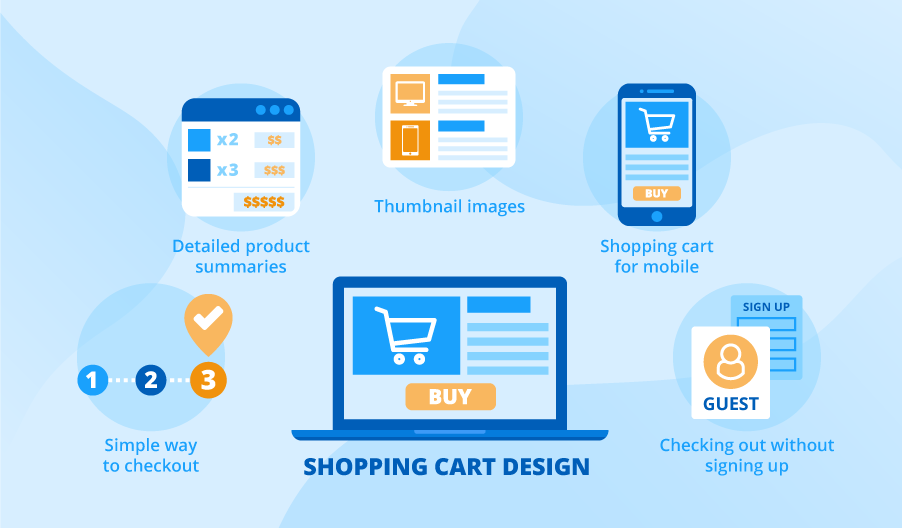
A comprehensive product catalog is essential in your e-commerce platform development, showcasing a wide range of products with detailed descriptions and specifications in the e-commerce app.
A user-friendly shopping cart and checkout process is crucial for a seamless purchasing experience, maximizing conversion rates, and reducing abandoned carts.
Powerful search functionality that allows customers to find products they are looking for quickly is essential. Implementing advanced product filtering options in the e-commerce platform development will help users narrow their search and find the perfect product.
High-quality images provide customers with a clear understanding of the product and enhance the overall user experience.
Building trust is paramount in the e-commerce industry. Incorporating the feature of customer reviews and ratings on product pages of your clone Home Depot e-commerce app helps potential buyers make informed decisions.
Offering warranties on products adds an extra layer of confidence, showing that you stand behind the quality of your offerings.
Selecting the right technology stack is crucial for success when developing an e-commerce app platform like Home Depot. A well-chosen technology stack ensures seamless functionality, high performance, and scalability to handle a growing customer base.
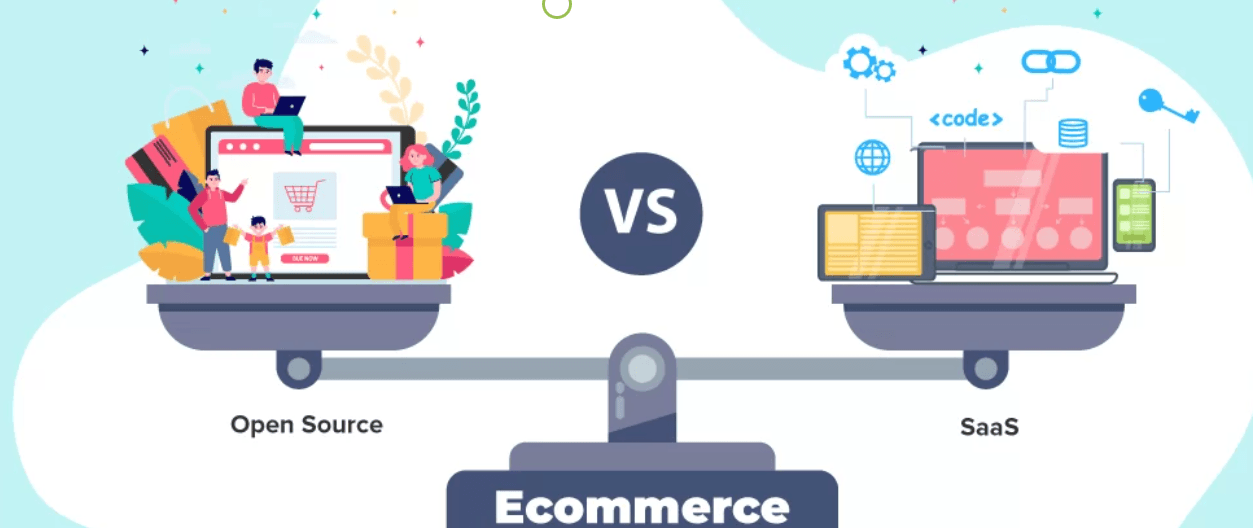
One of the first decisions you'll need to make is whether to use an open-source platform or a software-as-a-service (SaaS) solution like Shopify or Magento.
Open-source platforms provide flexibility and customization options, while SaaS solutions offer easy use and quick deployment. Consider your specific requirements and budget to choose the best option for your e-commerce platform development.
A secure and user-friendly payment gateway is essential for a successful e-commerce platform development. Integrate popular payment gateways like PayPal, Stripe, or Amazon Pay to offer convenient and trusted payment options.
Ensure the chosen payment gateways comply with security standards to protect customer data.
A robust Content Management System (CMS) is vital for efficiently managing the product information on your e-commerce app. Choose a CMS for your e-commerce platform development that easily updates product details, images, prices, and inventory levels.
A user-friendly CMS streamlines your operations and ensures accurate and up-to-date customer information on your e-commerce app platform.
The design of your e-commerce app platform plays a significant role in determining its usability and conversion rates.

An intuitive User Interface (UI) and User Experience (UX) design are essential for a smooth and enjoyable customer journey in your e-commerce platform development. Ensure the design is user-centric, easy to navigate, and aesthetically pleasing.
Intuitive category navigation, clear product descriptions, and prominent call-to-action buttons create an optimized user experience.
Optimizing your e-commerce app platform for smartphones and tablets is crucial in today's mobile-centric world.
Adopting a mobile-first approach ensures that your e-commerce platform development is responsive and provides seamless user experiences across different devices.
Mobile-friendly interfaces, fast loading speeds, and streamlined checkout processes are essential for converting mobile visitors into customers.
Fast loading speeds are paramount in e-commerce platform development, as customers expect a seamless and efficient experience.
Implementing performance optimization techniques and utilizing a scalable infrastructure ensures that your platform can handle high traffic volumes without compromising speed.
This is particularly important during peak seasons and promotions.
Creating a seamless connection between your online and physical stores is vital for a successful omnichannel strategy in your e-commerce platform development like Home Depot. Let's explore the key components of this integration.
Efficient inventory management in e-commerce platform development ensures that the online and in-store stock levels remain synchronized.
Utilize a robust inventory management system that provides real-time updates, allowing customers to access accurate stock information regardless of their shopping channel.
This synchronization fosters customer trust and lets you promptly fulfill orders using your e-commerce app.

Offering click-and-collect options allows customers to buy online and pick up their items at a physical store.
This convenience in the e-commerce platform development enhances the customer experience, providing flexibility while saving shipping and delivery times.
A smooth click-and-collect process requires seamless coordination between online orders and store fulfillment.
Incorporating in-store pickup and returns into your e-commerce app platform promotes a seamless customer journey. Customers appreciate the flexibility of returning online purchases to a physical store.
This not only enhances convenience but also encourages additional in-store purchases, driving foot traffic and increasing overall sales.
Effective marketing and promotion strategies are essential to drive traffic and sales on your e-commerce platform development. Let's explore key strategies to boost your online presence and attract potential customers.

Employing robust Search Engine Optimization (SEO) practices in your e-commerce platform development is crucial for organic traffic growth.
By optimizing your website's content, meta descriptions, and product pages with relevant keywords, you can improve your visibility in search engines and attract potential customers who are actively searching for products or services like your businesses.
Incorporating PPC advertising in your e-commerce platform development is a powerful tool for reaching targeted audiences and driving immediate traffic to your website.
By crafting compelling ad copy and targeting specific demographics, interests, and locations, you can ensure that your ads are seen by potential customers likely to be interested in your products.
Building an email marketing list lets you directly engage with potential and existing customers. Encourage website visitors to subscribe to your mailing list and then segment the list based on customer preferences, purchase history, and other relevant criteria.
This enables you to send targeted campaigns that resonate with each segment, leading to higher engagement and conversion rates.
Suggested Reading:
10 Essential Features of Home Depot eCommerce App: 101 Guide
Ensuring the security of customer transactions is of the utmost importance in developing an e-commerce platform like Home Depot.
Let's explore the key aspects of security and payment processing to provide your customers with a safe and trustworthy experience.
Maintaining compliance with the Payment Card Industry Data Security Standard (PCI DSS) during the e-commerce platform development is crucial for secure customer transactions in your e-commerce app.
Adhering to these standards helps protect sensitive customer information, such as credit card details, from unauthorized access and fraud. Implementing secure payment gateways and encryption protocols protects customer data throughout the transaction process.
Implementing robust fraud prevention measures in the e-commerce platform development is essential to safeguard your business from threats. Utilize advanced fraud detection tools and techniques to identify and flag suspicious activities, such as unusual purchasing patterns or suspicious IP addresses.
Additionally, employing multi-factor authentication and address verification systems adds an extra layer of security, reducing the risk of fraudulent transactions.

Regular maintenance and optimization are vital to ensure the smooth operation and continued success of your e-commerce platform development. Let's explore some key areas that require ongoing attention.
Frequent security updates and bug fixes are essential to address vulnerabilities and protect your platform from potential threats. Stay updated with the latest security patches and software updates to mitigate the risk of security breaches.
Conduct regular vulnerability assessments and penetration testing to identify and remediate any weaknesses in your system.
Leveraging data analytics in your e-commerce platform development allows you to gain valuable insights into your e-commerce app's performance.
Monitor key metrics such as website traffic, conversion rates, and user behavior to identify areas for improvement. Analyzing this data helps you make data-driven decisions and optimize your platform to enhance the customer experience and drive sales.
A/B testing involves comparing two or more versions of a web page or feature to determine which performs better regarding conversion rates.
By testing different elements during the e-commerce platform development, such as layouts, colors, or call-to-action buttons, you can identify the most effective strategies to optimize conversion rates. This iterative process enables you to refine and improve your e-commerce app platform.
AppsRhino is your ideal partner in e-commerce platform development, offering cutting-edge solutions for your business for creating robust e-commerce apps.
Specializing in developing high-quality e-commerce app platforms, AppsRhino will ensure your business stands out in the competitive market.
Whether you aim to build the best e-commerce platform like Home Depot or tailor an innovative e-commerce app to meet specific needs, AppsRhino will provide end-to-end development services.
With a focus on user-friendly design, seamless functionality, and scalability, AppsRhino helps businesses achieve their e-commerce goals efficiently and effectively by helping you with e-commerce platform development like Home Depot.
So here you have it, a foolproof blueprint for e-commerce platform development like Home Depot.
Developing an eCommerce platform like Home Depot requires careful planning, technical expertise, and a deep understanding of the market and customer needs.
The platform must have user-friendly navigation, robust product inventory management, secure payment gateways, reliable order fulfillment, and effective customer support.
Choosing the right technology stack, designing for usability and conversion, integrating with physical stores, adopting effective marketing and promotion strategies, and ensuring security and ongoing maintenance are vital for the success of your e-commerce platform development.
By incorporating these strategies and features, you can create a successful e-commerce app platform like Home Depot that meets your customers' needs and competes in today's highly competitive online retail space.
Suggested Reading : 10 Best Ecommerce App Development Companies in 2024
Custom Development
7 Apr 2026
Tell us what your business actually runs on today, and we will map what it takes to make it one system.