
Custom Development
Alcohol Delivery Market Share and Trends: Size, Growth, & Business Opportunities
7 Apr 2026
"Flutter - it's just hype," might say those unaware of its true potential. Somewhat surprising, this perspective overlooks an important tool poised to energize your business.
Hailing from Google's innovation nest, Flutter is an open-source UI toolkit that can fire up your application development process. It’s like a master-key for creating apps, capable of unlocking doors to mobile, web, and desktop platforms from one codebase.
Imagine harnessing the power to develop your app across all platforms, maintaining uniformity and high-quality performance using a single codebase. That's the miracle of Flutter. It ensures consistency and efficiency while saving resources - a previously untapped luxury in the app development world.
The toolkit promotes creativity and innovation. With custom widgets, Flutter invites enticing designs that make your app distinct. Add in the 'hot reload' feature, and you've got a candle of creativity lighting up the development process.
In short, Flutter promises a makeover to your business by enabling high-quality, cross-platform app development, efficiently. This platform, coupled with our guide, is your compass leading your business forward in the digital era. Ready for the revolution?
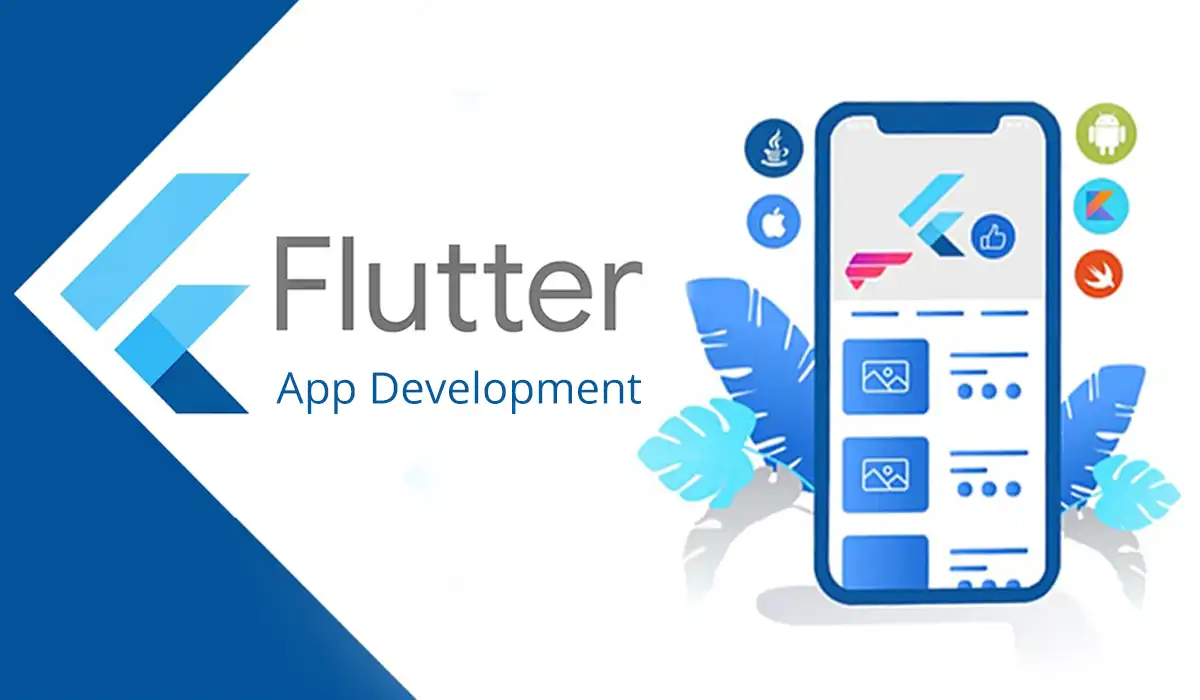
In the section on the advantages of Flutter app development, you can delve deeper into the various benefits that Flutter offers. Here are some points to consider:
Flutter allows developers to write code once and use it to build apps for both iOS and Android platforms. This eliminates the need for separate development teams or multiple codebases, reducing development time and cost.
Flutter uses Dart, a compiled programming language, allowing for faster execution and enhanced app performance.
The framework is designed to deliver smooth animations and seamless user interactions, providing a native-like experience on both platforms.
Flutter's hot reload feature significantly speeds up the development process. Developers can instantly see the changes they make to the code without having to restart the app, making it easier to experiment, iterate, and fix issues quickly.
Flutter allows developers to create visually appealing and customizable user interfaces.
With its rich set of pre-built widgets and the option to create custom widgets, developers can design beautiful and consistent interfaces across different devices and screen sizes.
Flutter provides access to platform-specific features and APIs, allowing developers to integrate native functionalities seamlessly into their apps.
This enables businesses to leverage the capabilities of both iOS and Android platforms for a more tailored app experience.
With Flutter's single codebase, maintenance and updates become more streamlined. Any changes or updates made to the codebase are applied to both platforms simultaneously, reducing the time and effort required for ongoing app maintenance.
In the section on wider audience reach, you can explore how Flutter app development can help businesses expand their reach and target a broader audience. Here are some points to consider:
Flutter allows developers to write code once and deploy the app on both iOS and Android platforms. This eliminates the need to develop separate apps for each platform, saving time, resources, and development efforts.
By reaching both Android and iOS users, businesses can tap into a larger audience and increase their potential customer base.
With Flutter, developers can create consistent user interfaces and experiences across different devices and operating systems.
This ensures that users have a seamless and familiar interaction with the app, regardless of the platform they are using. Providing a consistent user experience can increase customer satisfaction and loyalty.
Developing apps using Flutter is faster compared to traditional development approaches. The ability to share code between platforms significantly reduces development time and allows businesses to launch their apps quickly.
This speed-to-market advantage can give businesses a competitive edge by ensuring they are among the first to offer their services or products through a mobile app.
By targeting both iOS and Android users, businesses can reach a larger market of potential customers. This expanded market reach can lead to increased brand awareness, customer acquisition, and revenue generation.
Flutter's cross-platform capabilities enable businesses to expand their reach beyond a single platform and cater to a more diverse demographic.
Flutter app development can be more cost-effective compared to developing separate native apps for iOS and Android.
By sharing a single codebase, businesses can save on development costs, as well as ongoing maintenance and updates. This makes Flutter a suitable choice for businesses with budget constraints or limited resources.

In the section on improved customer engagement, you can discuss how Flutter app development can help businesses create more engaging and interactive experiences for their customers. Here are some points to consider:
Flutter allows for the creation of visually stunning and interactive user interfaces. With its extensive set of ready-to-use widgets and the flexibility to create custom widgets, businesses can design engaging app interfaces that captivate and delight users.
Interactive elements like animations, gestures, and transitions can enhance the overall user experience, making it more enjoyable and engaging.
Flutter's Dart programming language and its built-in UI rendering engine, Skia, enable apps to achieve high-performance levels.
Flutter apps are known for their smooth animations and fast response times, providing users with a seamless and enjoyable browsing experience.
The improved performance helps keep users engaged and prevents any frustration caused by slow loading times or lagging interactions.
Flutter allows businesses to collect and utilize user data to create personalized experiences.
By integrating features like user preferences, recommendations, and personalized notifications, businesses can tailor the app experience to each individual user. This level of personalization helps in fostering customer loyalty and increases engagement with the app.
With Flutter, businesses can ensure consistent user experiences across platforms. This means that regardless of whether a user accesses the app on an iOS or Android device, they will have a consistent and familiar interaction with the app.
Consistency in UI/UX helps in creating a sense of trust and reliability, leading to improved customer engagement and satisfaction.
Flutter enables businesses to gather feedback and reviews directly within the app. This can be done through in-app surveys, ratings, and review prompts.
By actively seeking feedback, businesses can understand user preferences, address issues, and continuously improve the app. Engaging with users in this manner shows that the business values their opinions and wants to provide the best user experience possible.
Suggested Reading:
Choosing a Flutter App Development Company: Key Considerations

In the section on faster time-to-market, you can highlight how Flutter app development can expedite the app development process and help businesses bring their products or services to the market quickly. Here are some points to consider:
Flutter allows developers to write code once and use it for both iOS and Android platforms. This eliminates the need to develop separate codebases for each platform, reducing development time and effort.
By sharing a single codebase, developers can work more efficiently and deliver the app faster, leading to a shorter time-to-market.
Flutter's hot reload feature enables developers to make changes to the code and see the results instantly without restarting the app.
This feature significantly speeds up the development process by reducing the time spent waiting for the app to build and deploy after every change. It allows developers to experiment, iterate, and fix bugs quickly, resulting in faster development cycles.
Flutter offers a rich set of pre-built widgets and libraries that developers can leverage to accelerate the development process.
These widgets are customizable and can be easily integrated into the app, reducing the time and effort required to build complex UI components from scratch. This speeds up development and enables faster app delivery.
Flutter's efficient development tools and hot reload feature make it ideal for rapid prototyping. Developers can quickly create and iterate on app prototypes, allowing businesses to gather feedback and validate ideas early in the development cycle.
Rapid prototyping enables faster decision-making, reduces development time, and helps businesses get to market faster with a polished and validated product.
Flutter's cross-platform capabilities enable businesses to have cross-functional development teams working on a single codebase.
This means that both iOS and Android developers can work together on the same project, leveraging their respective expertise. The collaboration and synergy between team members further streamline the development process, accelerating time-to-market.
In conclusion, Flutter app development offers several benefits that can help businesses expand their reach, improve customer engagement, and get their products or services to market faster.
By leveraging Flutter's cross-platform capabilities, businesses can simultaneously target both iOS and Android users, reaching a wider audience and increasing their market reach.
AppsRhino offers the best Tech-driven solutions for Home services, Laundry delivery, Alcohol delivery, Grocery Delivery, Food Delivery, and Taxi Services:
The interactive UI/UX elements and improved performance of Flutter apps contribute to enhanced customer engagement. With Flutter, businesses can create visually stunning and interactive interfaces, provide personalized experiences, and gather user feedback to continuously improve their app and increase customer satisfaction.
Custom Development
7 Apr 2026
Tell us what your business actually runs on today, and we will map what it takes to make it one system.