

Custom Development
Alcohol Delivery Market Share and Trends: Size, Growth, & Business Opportunities
7 Apr 2026
Pharmacies today face two major challenges: rising prescription volumes and ongoing workforce shortages. Manual processes can no longer keep up without compromising speed, accuracy, or safety.
Pharmacy automation systems offer a scalable solution by integrating hardware and software to streamline operations. With advancements in AI, robotics, and IoT, these systems now handle everything from inventory and dispensing to labeling and packaging — all with minimal human intervention.
By reducing repetitive tasks and enabling real-time oversight, pharmacy automation systems helps improve patient outcomes, cut wait times, and boost operational efficiency. It’s not just about machines — it’s about modernizing pharmacy care.
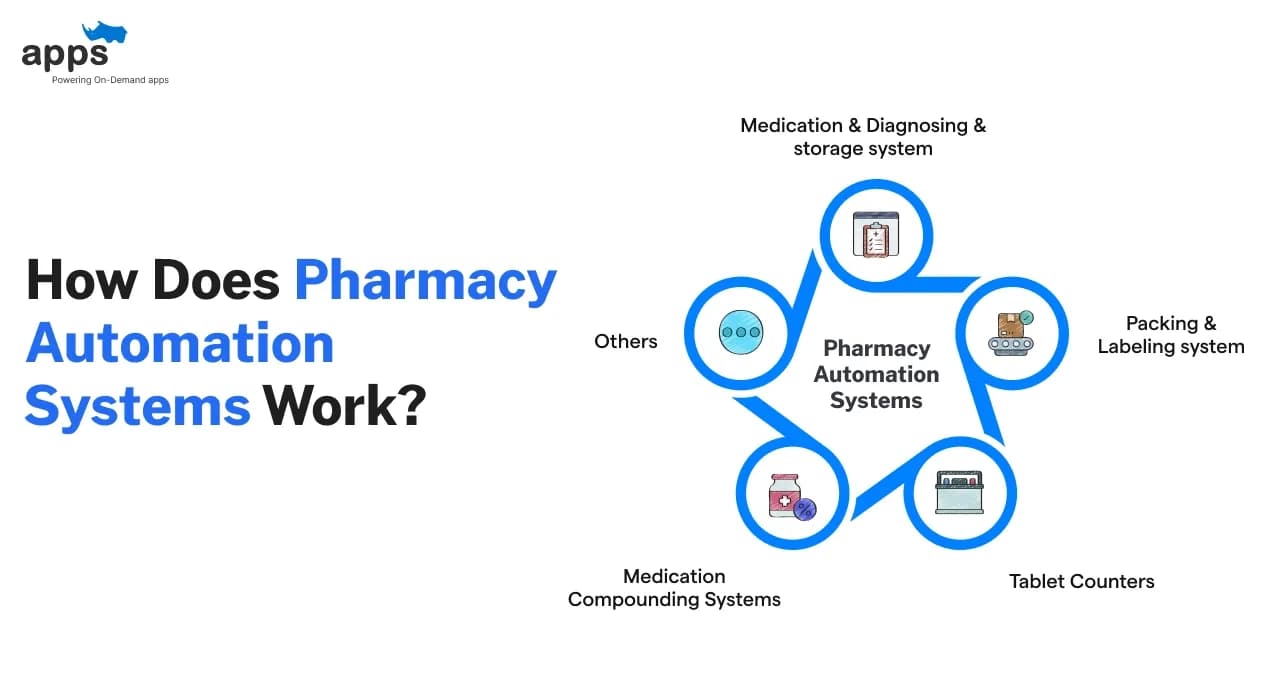
Modern pharmacy automation systems rely on seamlessly integrating healthcare software and hardware to streamline medication workflows.
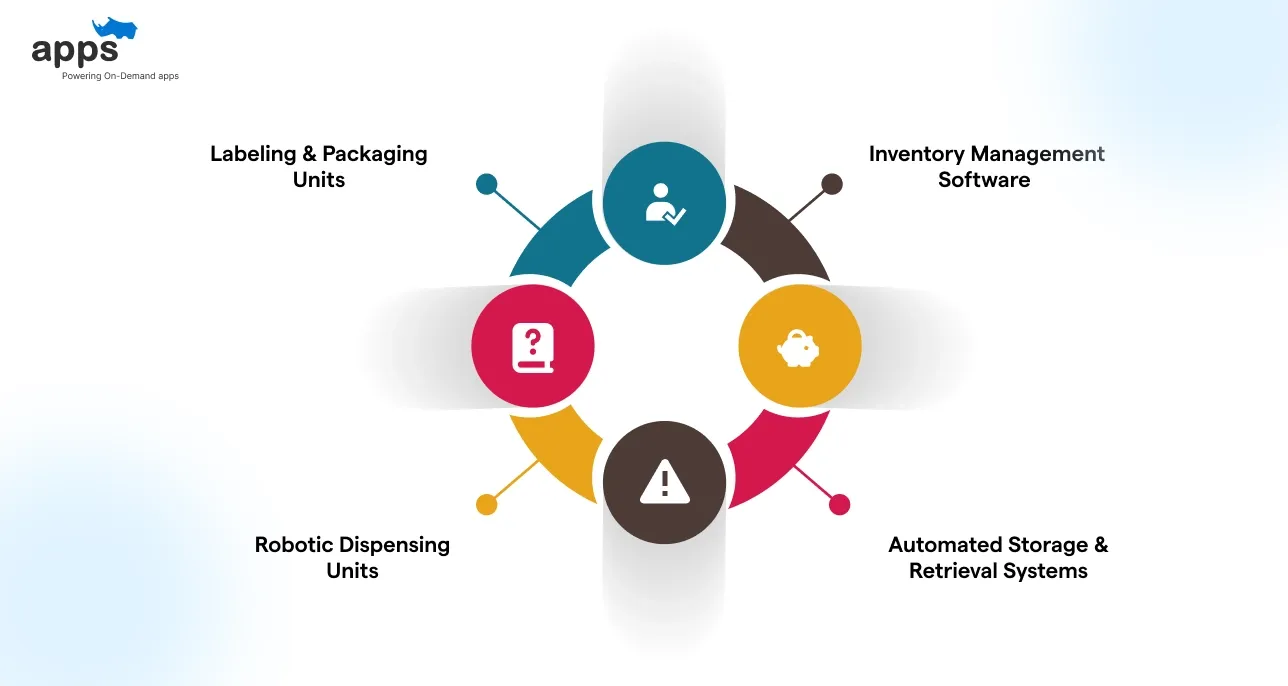
Each component plays a distinct role, but their true power lies in how they work together to minimize errors, cut time, and ensure compliance.
At the core of every automation system is the inventory management platform. It tracks stock levels in real-time, integrates with POS and EHR systems, and predicts future demand based on historical usage patterns.
This forecasting reduces stockouts and waste, especially for high-cost or short-shelf-life medications.
Many systems offer automated vendor reordering, ensuring timely restocks without manual intervention.
The software also sets alerts for expiry tracking, batch recalls, and controlled substance audits, making compliance more manageable and transparent.
Companies like AppsRhino can build Inventory Management platforms that integrate POS, EHR, and auto-reorder functionality in a single dashboard, reducing the need for multiple disconnected systems.
Once medications are stocked, automated systems handle their storage and retrieval. Using barcode or RFID tracking, these systems log every medication’s exact location.
This improves traceability, speeds up picking, and reduces human error.
High-value or sensitive medications like narcotics and biologics are stored with secure access control and temperature-regulated zones. Access logs ensure only authorized personnel handle critical inventory — a vital step in both hospital and retail settings.
Robotic arms bring speed and precision to the dispensing process. They scan, sort, and fill prescriptions with minimal human touch. Dual-arm systems can operate simultaneously to boost throughput, while camera-based pill verification ensures the right medication and dosage are selected every time.
These units are also compatible with both blister packs and vial-based packaging, making them flexible for different pharmacy formats.
After dispensing, automation takes over labeling and packaging. These units print FDA-compliant labels that include drug name, strength, dosage, and usage instructions.
Tamper-evident seals are applied for safety, and personalized dosing labels can be printed for individual patients, especially useful in nursing homes and chronic care setups.
Some advanced systems even include photo verification, capturing images of each dispensed item to support audit trails and remote pharmacist checks.
Pharmacy automation systems don’t work in silos. When each component — software or hardware — is connected through a unified platform, pharmacies gain complete visibility across their workflow. From inventory to the patient’s hand, every step becomes traceable, safer, and faster.
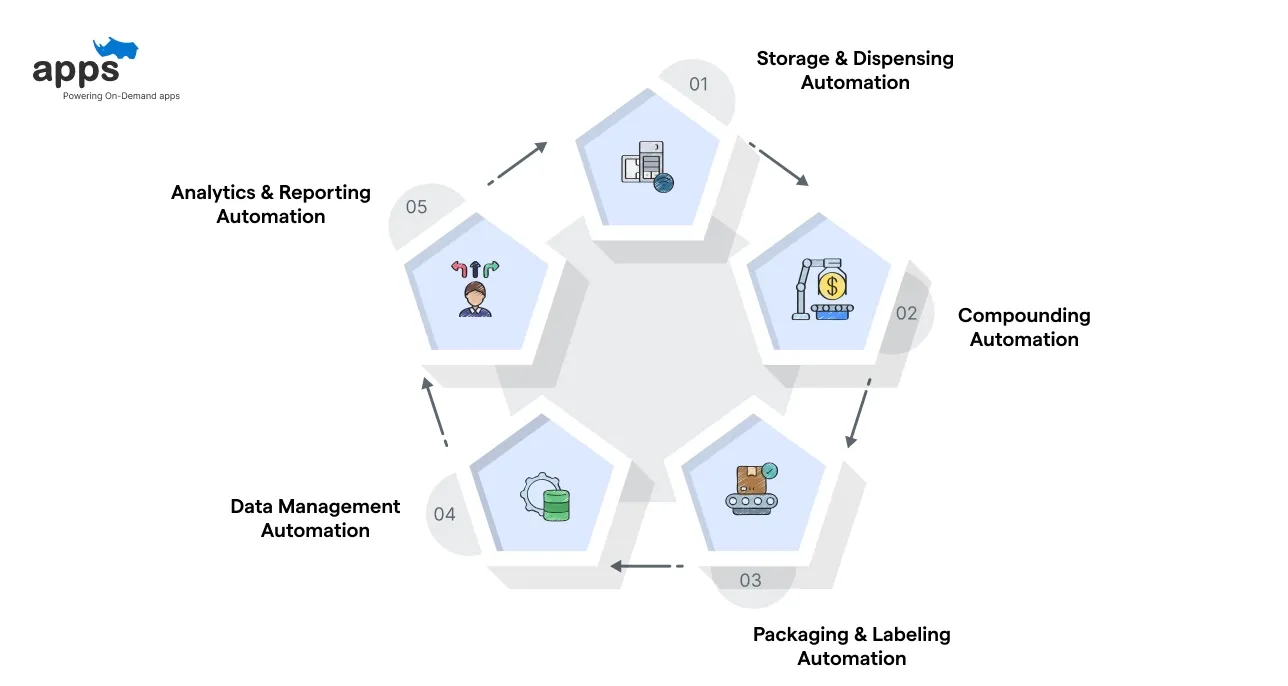
Pharmacy automation systems include several functional areas, from storage to reporting, each powered by specialized systems to enhance accuracy and efficiency.
These systems manage medication inventory and ensure accurate, efficient dispensing with minimal human touch.
Used in hospital pharmacies and sterile environments to mix IV bags, chemo doses, or personalized drugs under safe conditions.
These systems prepare medications for final delivery with accurate, compliant packaging and patient-specific labeling.
Software platforms that store, organize, and manage prescription, inventory, and patient data securely across workflows.
Extracts and visualizes key insights from pharmacy operations to improve decisions and regulatory compliance.
Understanding how pharmacy automation systems operate in real time helps clarify their true value.
Here’s a step-by-step walkthrough of a typical automated workflow, showing how software and hardware work together alongside pharmacy staff to manage both new prescriptions and refills.
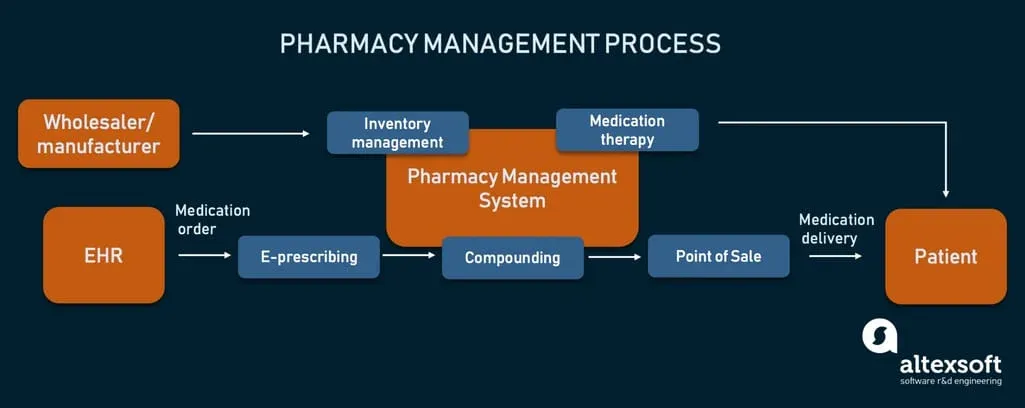
Prescriptions arrive via various sources:
Once received, the system logs the prescription and matches it against the patient profile, checking for allergies, dosage conflicts, and interactions.
The automation software instantly checks real-time inventory. If the medication is available, it reserves stock for the prescription. If it’s a refill, the system may already have pre-filled queue logic to prioritize processing.
If stock is low or unavailable, the system flags it for either manual override or automatic vendor reordering, depending on the configured rules.
Before any dispensing begins, a licensed pharmacist reviews the prescription digitally.
Key checks include:
Once approved, the system moves forward with automated execution.
Now the hardware takes over:
This stage significantly reduces human error and handles multiple prescriptions simultaneously, improving throughput.
Next, the medication moves to the packaging unit. Here, it’s:
Some pharmacy automation systems also perform photo verification, capturing an image of the labeled medication for final pharmacist review or audit compliance.
A pharmacy technician or pharmacist performs the last check, often using digital dashboards that show:
For sensitive medications, biometric or password verification may be required before release.
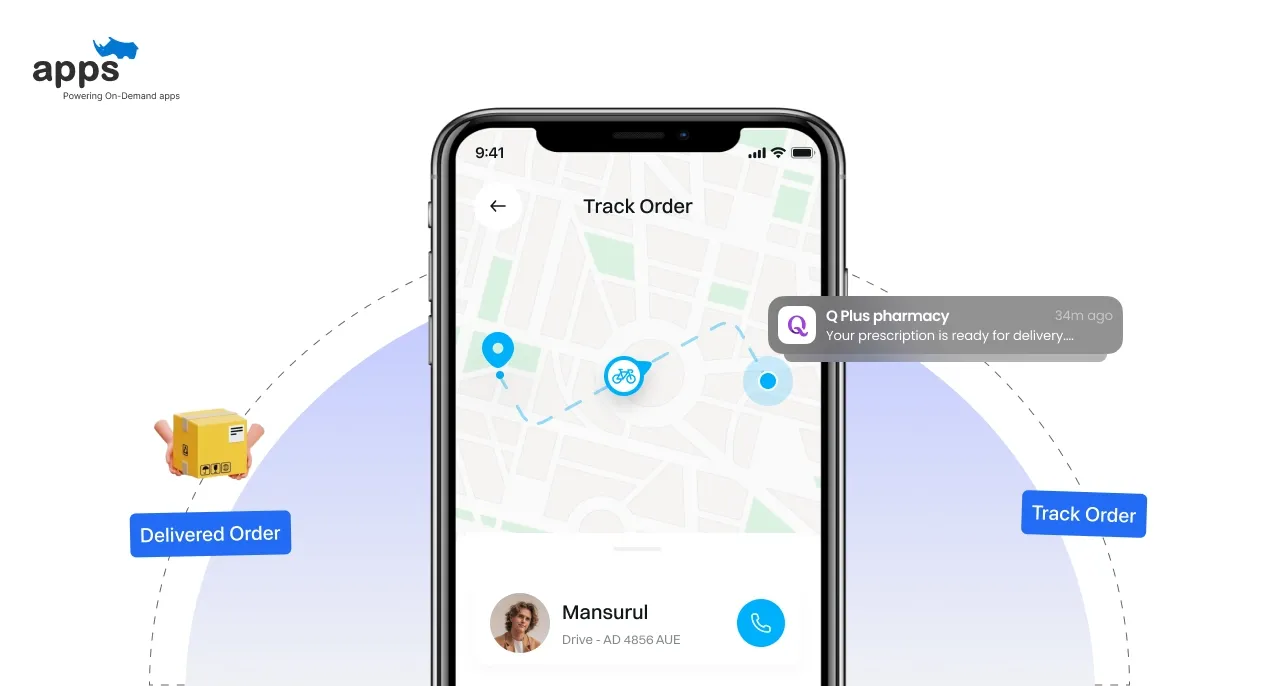
Once verified, the pharmacy automation system automatically notifies the patient:
For hospital settings, medication is routed directly to wards or patient rooms via delivery carts or pneumatic tubes.
This integrated workflow shows how pharmacy automation systems enhance safety, speed, and transparency. Every step is traceable, repeatable, and built for scale, freeing pharmacists to focus more on patient care and less on manual tasks.
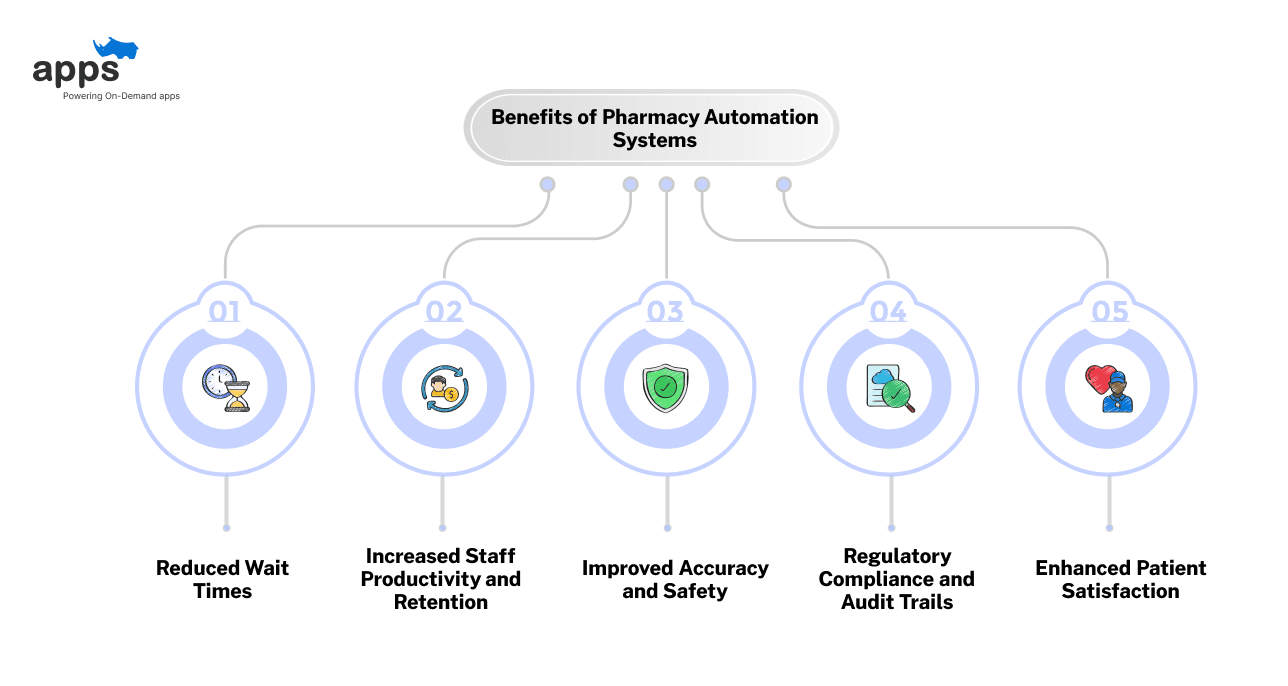
Implementing pharmacy automation systems is about unlocking tangible improvements across operations, staff performance, and patient experience.
From reducing errors to saving valuable time, here are the key benefits pharmacies are seeing:
Automated workflows drastically cut down the time needed to fill prescriptions.
Tasks that once took several minutes per order, such as sorting, counting, labeling, and verifying, are now completed in seconds.
By automating repetitive and manual tasks, pharmacy teams can shift their focus to clinical consultations, patient education, and quality checks.
This reduces burnout and improves job satisfaction, especially in high-volume retail and hospital pharmacies where staff shortages are common.
Technicians can do more meaningful work, and pharmacists have more time for high-value interventions.
With robotic dispensing, barcode/RFID tracking, and photo verification, the risk of human error drops dramatically.
Automation systems offer built-in safety checks, real-time alerts, and dual-verification options to ensure the correct medication reaches the right patient every time.
Every transaction in an automated system is logged — from inventory changes and refill activity to access controls and patient-specific data.
This generates an auditable trail that helps pharmacies comply with regulations like the FDA, HIPAA, and DEA, especially in controlled substance handling.
Faster service, fewer medication errors, and personalized packaging all contribute to better patient experiences.
With SMS or app-based notifications, patients know exactly when and where to collect their prescriptions, reducing uncertainty and increasing trust in the pharmacy.
Pharmacy automation systems aren't just tools — they’re enablers of consistency, compliance, and care. With the proper setup, they quickly pay for themselves in both time and outcomes.
While pharmacy automation systems offer measurable benefits, adopting them does come with a few hurdles, especially during the early stages of implementation.
Addressing these challenges up front can help pharmacy leaders make informed, scalable decisions.
One of the most cited barriers is the complexity of integrating new automation platforms with older EHRs, POS systems, or local databases.
Many pharmacies still use fragmented software, and connecting these to modern automation tools often requires custom APIs, middleware, or third-party support, which can extend implementation timelines.
As pharmacy systems move toward cloud-based operations and IoT devices, cybersecurity becomes a top concern.
Data breaches or unauthorized access to prescription data could have legal and reputational consequences.
Choosing vendors with HIPAA-compliant architectures, end-to-end encryption, and audit-ready access logs is non-negotiable.
Automated systems rely on continuous uptime to function smoothly.
In the event of a technical failure or power outage, pharmacies must have manual override protocols or recovery workflows in place.
Without proper training, such interruptions can stall operations.
Some automation solutions are closed ecosystems, meaning upgrades or component swaps must go through the same vendor, limiting flexibility.
Pharmacies should look for modular systems that scale with demand and allow interoperability with other platforms over time.
When planning your automation journey, being aware of these limitations ensures a smoother rollout and longer-term value.
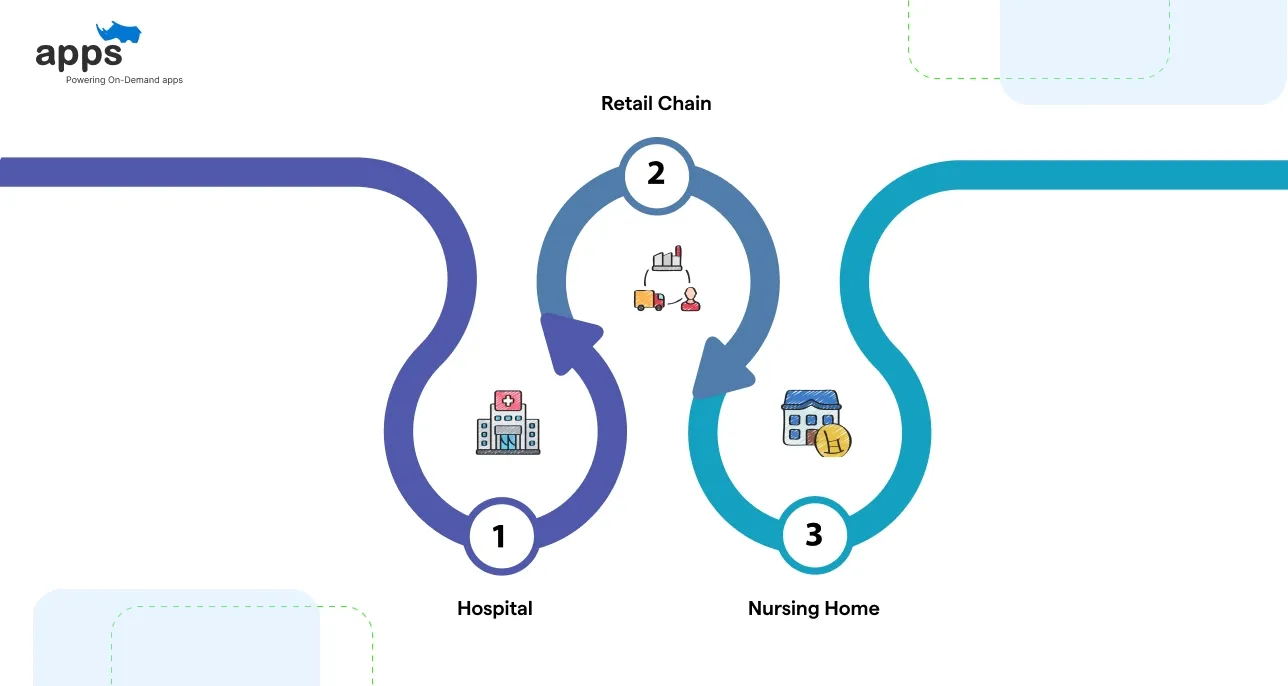
Pharmacy automation systems have been successfully implemented in various healthcare environments, demonstrating significant improvements in efficiency, accuracy, and patient satisfaction.
Below are three illustrative case studies:
Problem: The hospital faced challenges with medication errors and workflow inefficiencies across multiple sites.(Source: WIRED)
Solution: Integration of Omnicell’s automated dispensing cabinets with the hospital’s Electronic Patient Record (EPR) system, utilizing standard protocols like HL7 and FHIR for seamless communication.
Result: This integration led to a 20% reduction in medication errors and improved workflow efficiency across the trust’s multiple sites. (Source: Omnicell.co.uk)
Problem: High prescription volumes and pharmacist burnout due to repetitive tasks. (Source: Axios)
Solution: Establishment of micro-fulfillment centers equipped with robotic systems capable of filling up to 50,000 prescriptions daily, thereby automating the dispensing process.
Result: This automation allowed pharmacists to focus more on patient care, reducing burnout and improving service delivery.
Problem: Manual medication administration processes were time-consuming and prone to errors, affecting patient safety (Source: japha.org)
Solution: Implementation of a centralized robotic pill dispensing system that automates the preparation and distribution of medications.
Result: The system improved medication dispensing accuracy, reduced dispensing time, and increased patient safety. (Source: ritetechnologies.net)
These case studies underscore the versatility and effectiveness of pharmacy automation systems in enhancing operational efficiency, reducing errors, and improving patient outcomes across different healthcare settings.
Pharmacy automation systems combine software intelligence and physical automation tools to streamline every aspect of medication management.
Software manages logic, data, workflows, and communication between systems and users across the pharmacy lifecycle.
Hardware executes physical tasks like storage, dispensing, compounding, and packaging with speed and precision.
Together, these technologies form the foundation of modern pharmacy automation systems, enabling seamless, data-driven, and error-resistant operations across every stage of medication management.
As pharmacies navigate growing demand, limited staff, and rising accuracy standards, pharmacy automation systems have emerged as a critical solution, not just to keep pace, but to lead.
By integrating software intelligence with advanced robotics and secure workflows, automation is transforming how medications are stored, dispensed, and delivered.
From hospitals and retail chains to long-term care facilities, the results speak for themselves: faster service, fewer errors, and greater patient satisfaction.
At AppsRhino, we specialize in delivering scalable software solutions that power every stage of the pharmacy automation journey — from inventory management and labeling to real-time analytics, patient notifications, and AI-driven workflows.
Whether you're building a standalone pharmacy platform or modernizing an enterprise operation, our team can help you automate, integrate, and scale with confidence.
👉 Get in touch with us to build your pharmacy automation solution
Custom Development
7 Apr 2026
Tell us what your business actually runs on today, and we will map what it takes to make it one system.