

Custom Development
Alcohol Delivery Market Share and Trends: Size, Growth, & Business Opportunities
7 Apr 2026
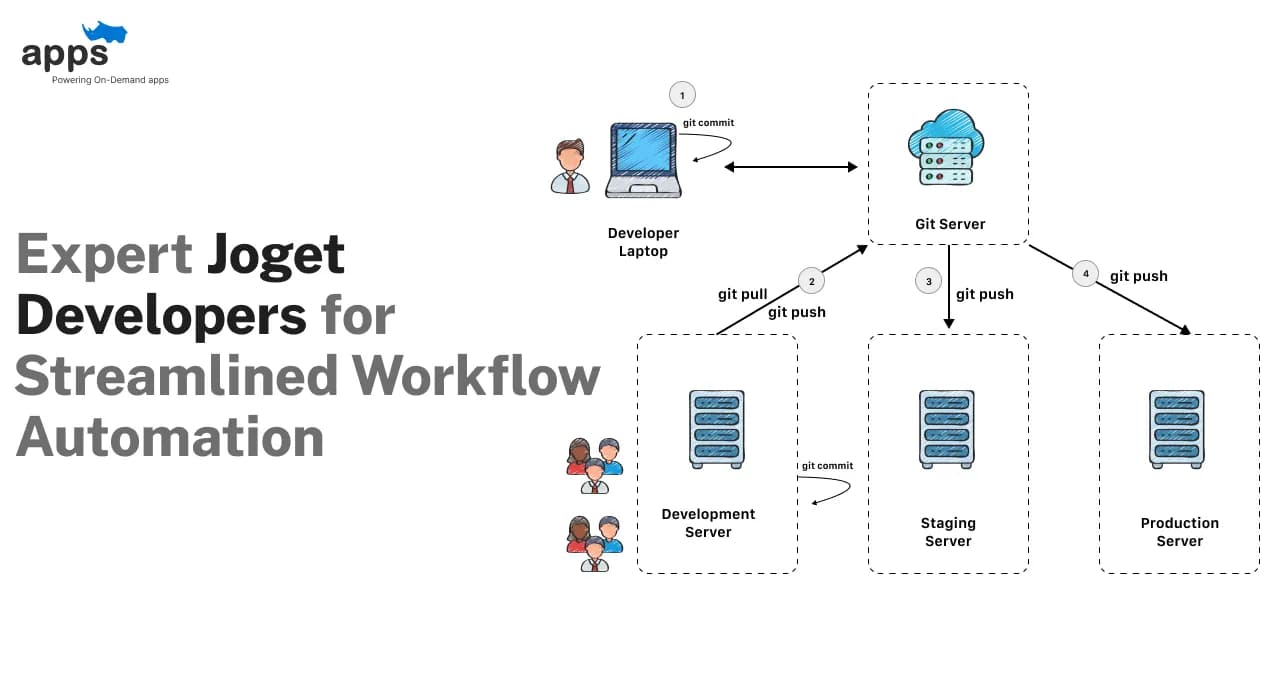
The current dynamic business landscape, the demand for streamlined workflow automation has never been more critical.
Business can now enter the sphere of expert Joget developers, who are individuals skilled in harnessing the power of Joget workflow to enhance organizational efficiency.
This versatile framework empowers these developers to craft seamless automation solutions tailored to specific business needs.
Joget developers not only possess a deep understanding of this platform but can also assist businesses in various aspects such as process designing , integration and much more.
A brief overview of this has been mentioned further below, along with a thorough introduction of Joget as a powerful platform for streamlined workflow automation and why this particular platform will most likely best suit your needs.
Embark on a journey with expert Joget developers and unlock the potential for enhanced productivity and efficiency within your business ecosystem.
Let's have a look into the core concepts of Joget and explore it as a low-code application development platform.
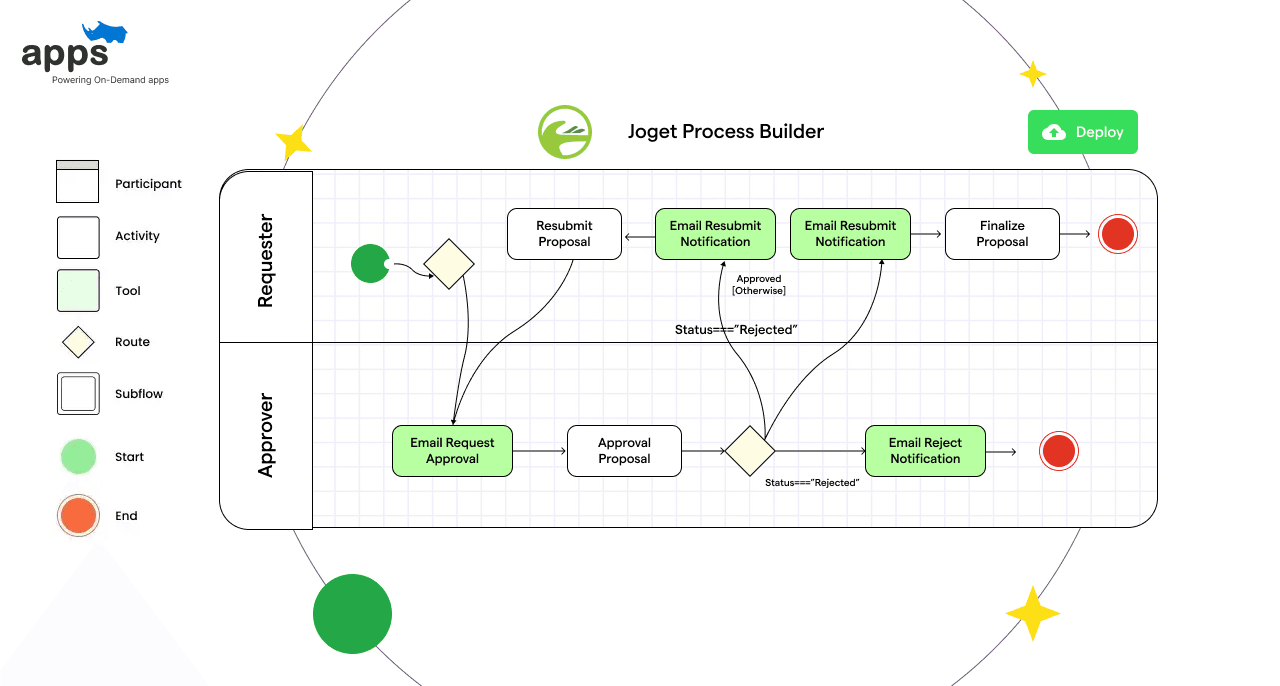
While briefly going through its core features and highlighting its capabilities specifically tailored for workflow automation.
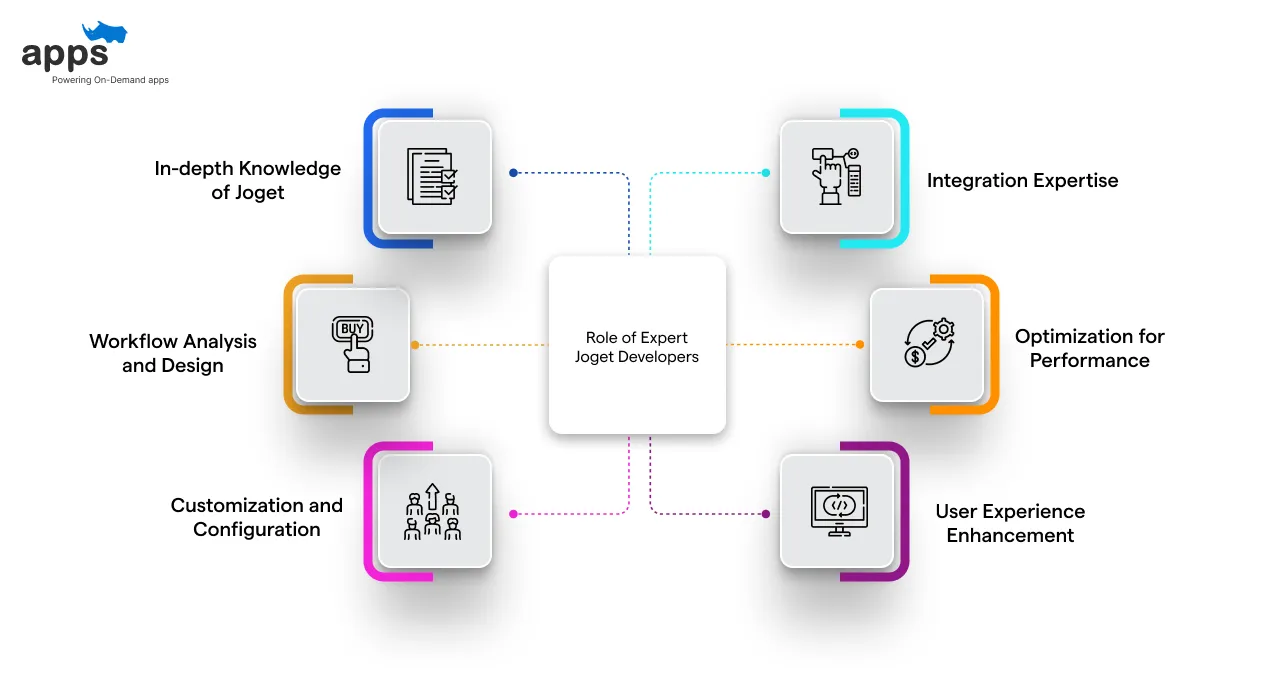
In order to maximize the potential of workflow automation, expert Joget developers are put to use.
Since these developers are fluent in this platform, they can personalize and optimize Joget in accordance with your particular business requirements, such as:
Suggested Reading:
9 Joget Hurdles Solved for You: Quick Guide
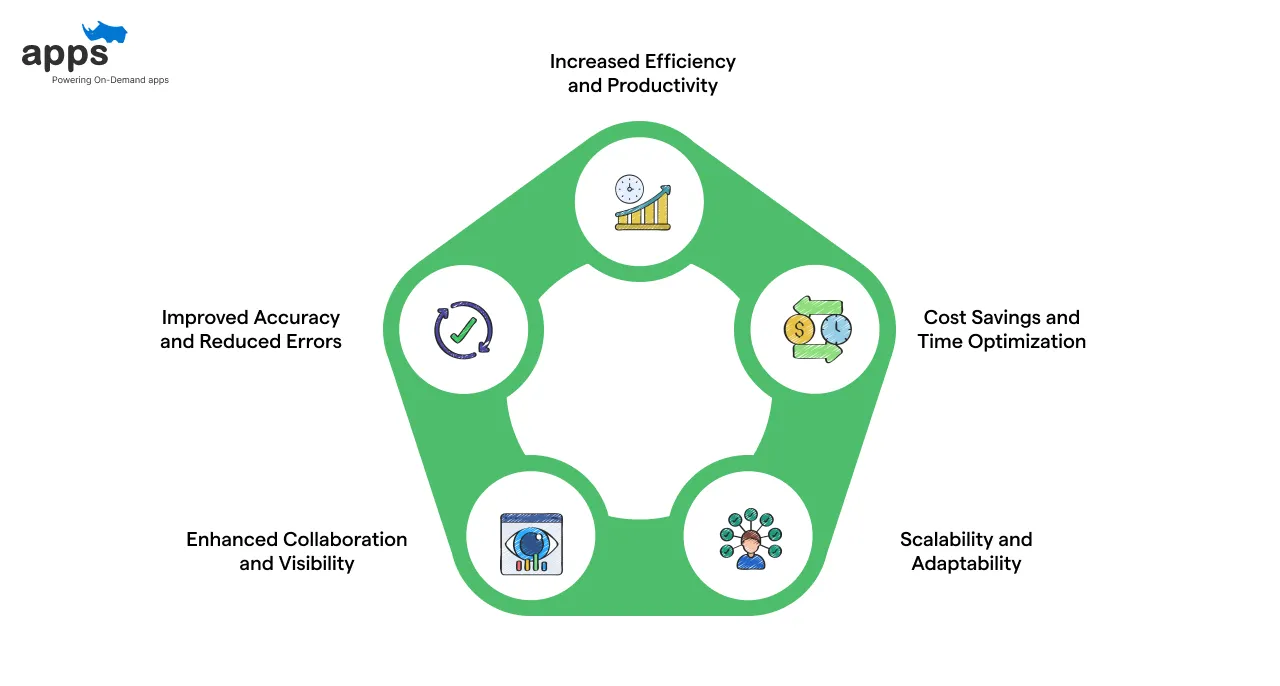
Streamlined workflow automation offers numerous benefits to organizations.
In this section, we will delve into the advantages that businesses can gain by embracing automated workflows. The content will cover the following points:
The universal way of assessing the performance of a particular object or framework is by putting them under the 5 W’s and see whether they pass it or not.
Let us analyze the workflow of Joget by putting it under the test of the 5 W’s in the section listed below.
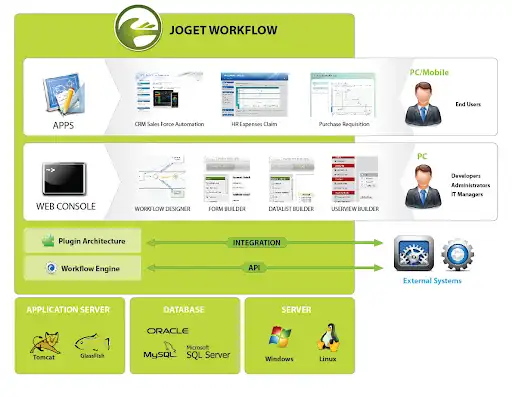
Businesses and organizations which are spread across a large extent can benefit from Joget workflow automation.
Whether it's small startups, medium-sized enterprises, or large corporations, any entity that depends on well-organized processes can leverage Joget.
Finance, healthcare, manufacturing, and numerous such industries fall into this category, as Joget is known to deliver significant improvements in efficiency and productivity.
Several key components are accountable for a streamlined workflow. It generally includes task assignment, approval processes, data input forms, notifications, and reporting.
Components like these are inspected and described in detail further below with specific emphasis on how Joget's features enable the smooth integration and implementation of these components to create efficient and automated workflows.
Joget can be implemented for workflow automation in a number of areas, such as project management, customer relationship management, human resources, procurement, and more.
Joget, in general, is a diverse platform that can be utilized across various departments and industries.
Suggested Reading:
Joget Overview: Pros, Cons, and Alternatives
There are certain factors that indicate the right time to consider implementing Joget for workflow automation.
This may include increasing process complexity, high volumes of repetitive tasks, a need for faster turnaround times, or a desire to improve overall operational efficiency.
Joget developers not only streamline workflow automation but also bring along a lot of unique and expertise that these professionals bring to the table, such as in-depth knowledge of Joget, the ability to customize and optimize workflows, seamless integration with existing systems, and efficient problem-solving capabilities.
By choosing experienced Joget developers, organizations can ensure successful implementation and maximize the benefits of workflow automation.
Curious to know how to use Joget Workflow? Joget developers streamline workflow automation by using the platform's visual development tools, pre-built templates, and integrations. Here’s how they achieve this:
Expert Joget developers start by conducting a thorough analysis of existing workflows within an organization.
They collaborate with stakeholders, including process owners and end-users, to understand the current processes, pain points, and optimization opportunities.
This analysis helps in identifying bottlenecks, redundancies, and areas for improvement.
Based on the findings, developers plan the automation strategy. They define the goals, objectives, and scope of the workflow automation project.
They identify the key performance indicators (KPIs) and metrics to measure the success of the automated workflows. This analysis and planning phase ensures a solid foundation for the subsequent stages of development.
Once the analysis and planning are complete, Joget developers proceed with customizing and configuring the Joget platform to align with the specific business needs.
They utilize the visual interface and drag-and-drop functionality of Joget to design workflow processes, create forms, and define the sequence of tasks.
Developers configure business rules, validation criteria, and decision-making conditions within the workflows. They customize the look and feel of the user interface to enhance the user experience.
Through these customization efforts, Joget developers tailor the platform to meet the unique requirements of the organization's workflows.
Expert Joget developers excel in integrating Joget with other systems and applications used within the organization.
They establish seamless data connections and enable interoperability between different systems, databases, and third-party applications.
Developers leverage Joget's integration capabilities to fetch and update data from external sources, ensuring a smooth flow of information across the entire workflow.
They create connectors, APIs, and web services to enable data exchange and automate processes that involve multiple systems.
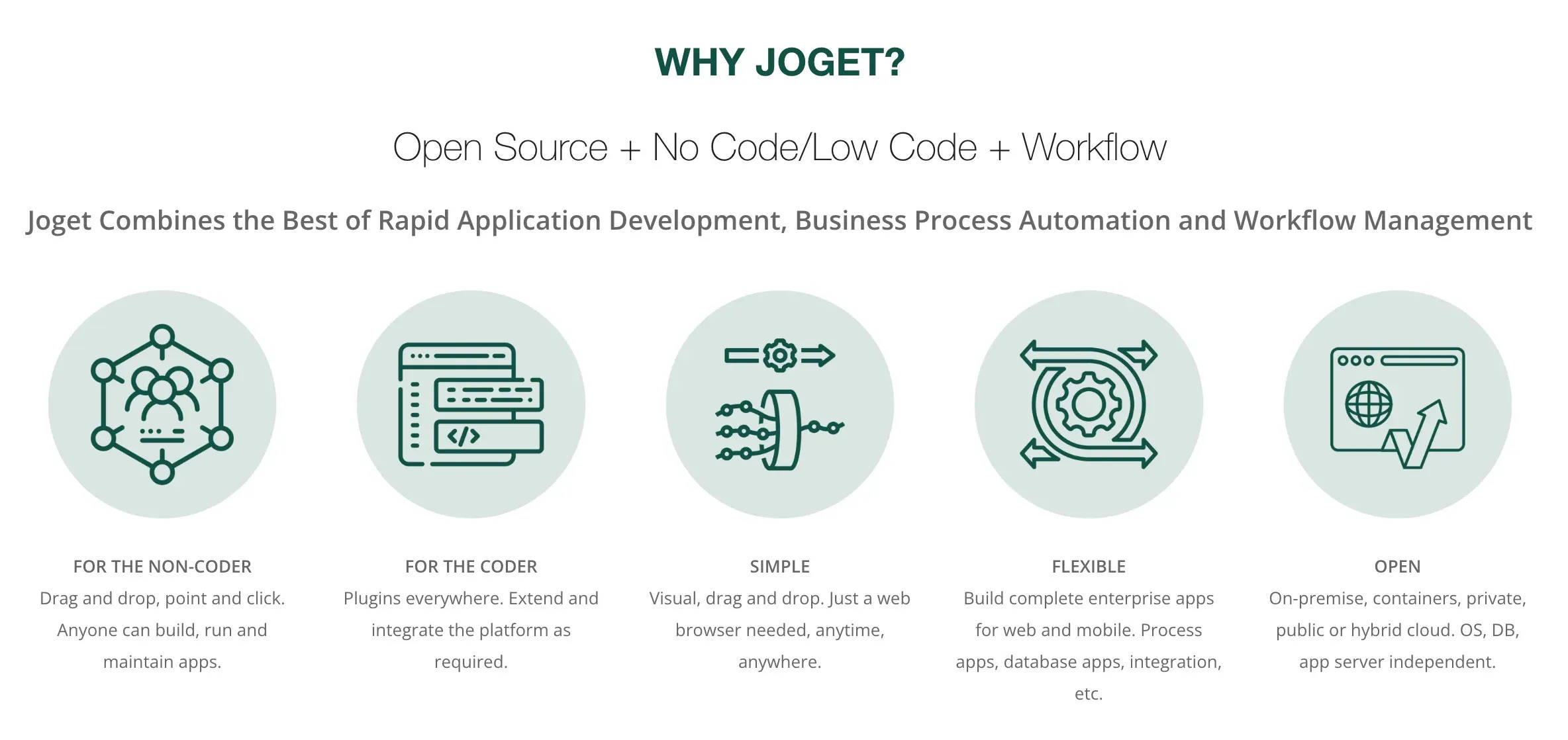
Before deploying automated workflows into the production environment, Joget developers conduct rigorous testing to ensure functionality, performance, and accuracy.
They simulate various scenarios, user interactions, and data inputs to validate the workflow behavior and identify any potential issues.
Once testing is successful, the developers deploy the automated workflows to the live environment.
They coordinate with IT teams and system administrators to ensure a smooth deployment process, including configuring access controls, user roles, and permissions.
Joget developers understand that workflow automation is an ongoing process.
They establish monitoring mechanisms to track the performance of automated workflows, identify areas for improvement, and gather valuable insights through analytics.
Based on the monitoring data, developers analyze the workflow performance, identify bottlenecks or inefficiencies, and optimize the workflows accordingly. They make iterative improvements to enhance the efficiency, accuracy, and user experience of automated processes.
By following these steps, Joget developers streamline workflow automation, transforming manual and complex processes into efficient and optimized workflows.
Their expertise ensures the successful implementation, integration, and continuous improvement of automated workflows using the Joget platform.
The leading practices that can be performed to ensure effective workflow automation are:
One of the crucial steps in workflow automation is to thoroughly map and document the existing joget workflow systems within an organization.
This involves analyzing the current processes, documenting the steps involved, and identifying pain points and areas for improvement.
By mapping the workflows, organizations gain a clear understanding of the current state and can effectively identify opportunities for automation.
Suggested Reading:
Hire dedicated joget developers with AppsRhino: Here's how
Once the existing workflows are mapped, it is important to identify which workflows can benefit the most from automation.
Organizations should prioritize workflows based on criteria such as complexity, volume, and impact on efficiency and productivity.
By focusing on workflows that have the highest potential for improvement, organizations can maximize the benefits of automation and achieve quick wins.
To ensure the success of workflow automation, it is crucial to involve stakeholders and end-users throughout the entire automation process.
This includes consulting with process owners, managers, and employees who are directly involved in the workflows.
By actively engaging stakeholders, organizations can gather valuable insights, ensure buy-in, and address any concerns or resistance to change.
End-users' input is vital for designing user-friendly interfaces and optimizing automation to meet their specific needs.
When designing automated workflows, it is important to consider scalability and flexibility. Organizations should anticipate future growth and changing business requirements.
The joget workflow systems should be designed to accommodate increasing volumes of work and adapt to evolving processes.
This includes considering factors such as data handling, system integrations, and accommodating new process variations. Scalable and flexible workflow designs ensure that the automation remains effective and can be easily adjusted as the organization evolves.
By following these best practices, organizations can ensure the effectiveness and success of their workflow automation initiatives.
Mapping and documenting workflows, prioritizing automation opportunities, involving stakeholders, and designing scalable and flexible workflows lay the foundation for streamlined and efficient automated processes.
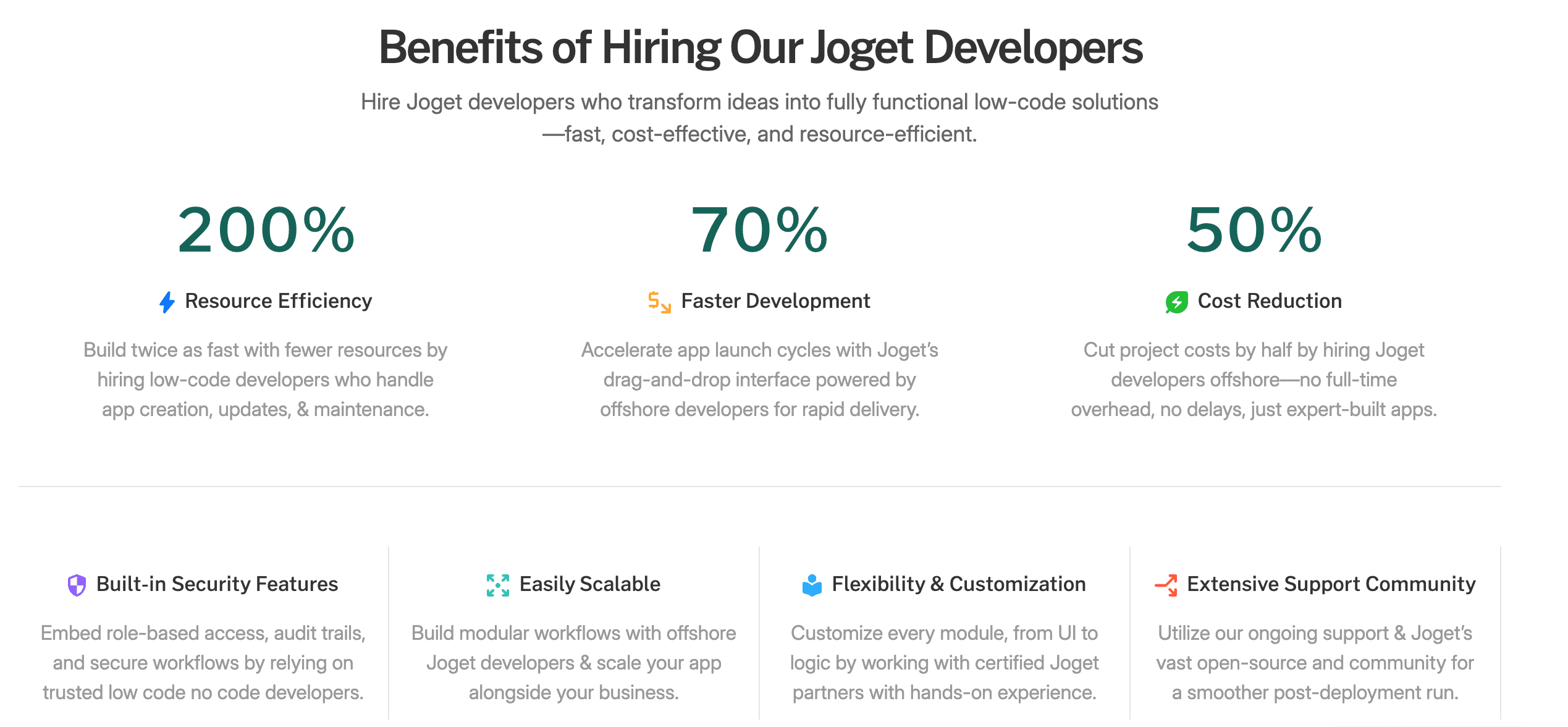
Selecting the right Joget development partner is crucial for the success of workflow automation projects.
This section will discuss the factors to consider when choosing an expert Joget developer or development team. It will highlight the following points:
Emphasize the importance of evaluating the developer's expertise in Joget and their understanding of workflow automation principles.
Look for developers who have deep knowledge of the Joget platform, its features, and its best practices.
Consider the developer's experience in implementing Joget workflow automation projects. Look for a track record of successful implementations, preferably in similar industries or use cases.
A developer with hands-on experience is more likely to deliver effective solutions.
Consider the developer's ability to collaborate effectively with your team and communicate clearly.
Strong collaboration and communication skills ensure a smooth project workflow, efficient problem-solving, and timely updates on progress.
Assess the developer's portfolio and case studies to understand their previous work. Look for evidence of their ability to customize Joget, integrate with other systems, and deliver optimized workflows.
A strong portfolio indicates their capability to meet your specific requirements.
Request client references or testimonials from past projects. Reach out to their previous clients to gather feedback on their performance, professionalism, and the results they achieved.
This helps validate the developer's credibility and reliability.
The conclusion section will provide final thoughts on the future of workflow automation with Joget.
It may touch upon the growing importance of automation in business processes, the increasing adoption of low-code platforms like Joget, and the potential benefits organizations can achieve through streamlined joget workflow systems.
It will highlight how choosing the right expert hire experienced joget developers is critical in harnessing the full potential of Joget for workflow automation.
The conclusion may also reiterate the key points discussed throughout the blog and leave readers with a positive outlook on the future of workflow automation with Joget.
Custom Development
7 Apr 2026
Tell us what your business actually runs on today, and we will map what it takes to make it one system.