

Custom Development
Alcohol Delivery Market Share and Trends: Size, Growth, & Business Opportunities
7 Apr 2026
Enterprise eCommerce represents the pinnacle of online retail for large-scale businesses. It utilizes advanced technologies and strategies to manage vast product catalogs, high-volume sales, and extensive customer bases.
This guide delves into the essentials of enterprise eCommerce, from infrastructure and scalability to complex integrations and personalized customer experiences.
The best enterprise eCommerce platforms enable businesses to optimize operations, enhance security, and maximize revenue by leveraging comprehensive analytics, multi-channel support, and sophisticated supply chain management.
Whether you're expanding an existing enterprise or starting anew, this guide offers the insights needed to thrive in the competitive world of large-scale online retail.

Enterprise e-commerce refers to large-scale online retail operations typically managed by big corporations.
It involves advanced features like multi-channel selling, extensive product catalogs, integration with other enterprise systems, and robust infrastructure to handle high traffic and transactions securely and efficiently.
Enterprise eCommerce offers a broader scope and sophistication than its traditional counterpart.
Here, we delve into the distinctions between Enterprise eCommerce and traditional eCommerce, shedding light on the scalability, complexity, and technological requirements that set them apart.
At its core, the difference between enterprise eCommerce and traditional eCommerce lies in the scale and intricacy of operations.
Enterprises are increasingly turning to enterprise eCommerce development to harness its array of advantages.
We'll explore how this robust digital commerce approach enhances sales and market reach, operational efficiency, and customer experience, establishing a holistic understanding of its pivotal role in modern business strategies.

The scalability of enterprise eCommerce platforms empowers businesses to expand their market reach, targeting a broader audience and catering to diverse consumer preferences.
By leveraging advanced analytics and digital marketing tools, enterprises can tailor their sales strategies to reach specific demographics, increasing sales and heightened brand visibility in the competitive online marketplace.
Efficiency is critical in today's fast-paced business landscape, and enterprise eCommerce development is vital in optimizing operational workflows.
By automating mundane tasks, real-time inventory tracking, and integrating existing systems, enterprises can streamline their processes and reduce operational costs.
This enhanced efficiency improves overall productivity and provides the agility needed to adapt to changing market conditions and customer demands swiftly.

In enterprise eCommerce, delivering a superior customer experience is paramount to building a loyal customer base.
Integrating cutting-edge technologies like an enterprise AI chatbot solution for eCommerce enables businesses to offer personalized and responsive customer service around the clock.
From providing instant assistance to offering tailored product recommendations, these solutions in enterprise eCommerce development enhance customer engagement and satisfaction, fostering long-term client relationships and driving repeat business.
As organizations continue to embrace the benefits of the best enterprise eCommerce platform, addressing key considerations is crucial when developing an effective digital enterprise eCommerce strategy.
Let's learn about the essential considerations businesses must make when building a scalable eCommerce platform, integrating with existing enterprise systems, and ensuring data security and compliance.
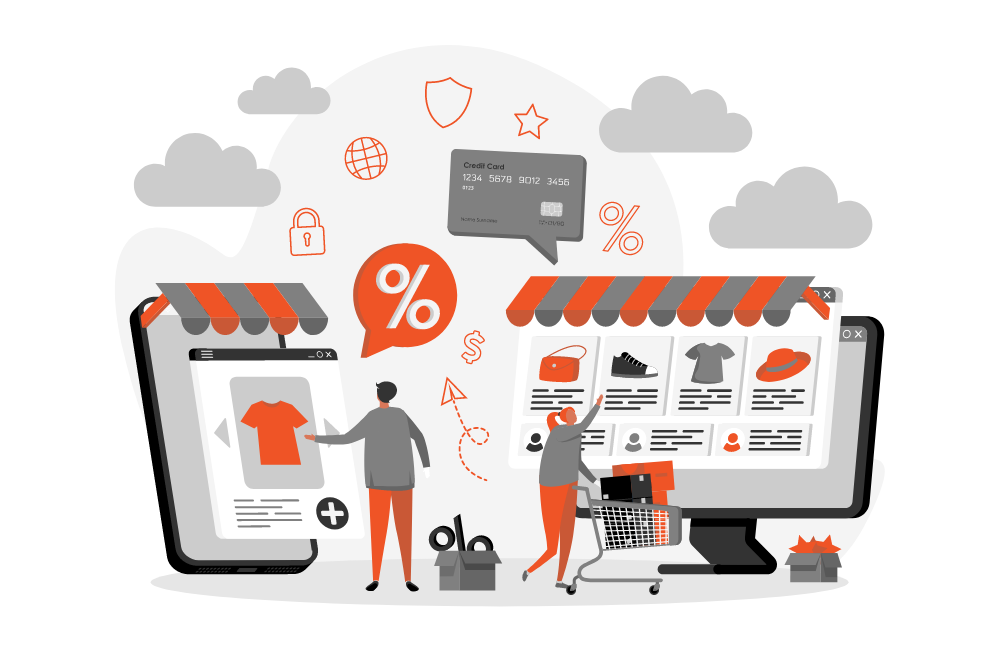
The best enterprise eCommerce platform is a fundamental requirement for scaling and organizations aiming to expand their digital presence and target new markets.
Selecting the best enterprise eCommerce platform that can accommodate future growth and support agile business operations is critical.
The chosen platform should be flexible enough to address evolving market demands and support advanced functionalities such as personalized customer experiences, marketing automation, and real-time analytics.
Additionally, it's essential to choose a development partner with experience in enterprise eCommerce development, as this ensures relevant platform implementation.
Integrating the enterprise eCommerce platform with existing enterprise systems such as ERP and CRM is vital in achieving operational efficiency and optimized workflows.
Integration facilitates automated data processing, order management, inventory tracking, and financial reconciliation, saving time and cost.
To ensure a successful integration, businesses must ensure compatibility between platforms, define precise data mapping, and establish robust data governance policies to prevent data inconsistencies and errors.

Data Security is critical in enterprise eCommerce development and operations, and in today's regulatory environment, it's vital to ensure compliance with relevant regulations such as PCI DSS, HIPAA, and GDPR.
Businesses should implement robust security protocols such as encryption, two-factor authentication, and data access controls to ensure data security.
Regular security audits and vulnerability scans are essential in identifying and mitigating potential security risks.
Additionally, establishing a data governance framework ensures compliance with regulatory requirements and promotes data privacy and integrity.
Considering all these considerations will ensure your enterprise eCommerce development is on par with international standards.
Having the right features is crucial for achieving success in the digital marketplace when it comes to enterprise eCommerce.
This section will discuss the essential features businesses should consider when selecting the best enterprise eCommerce platform.
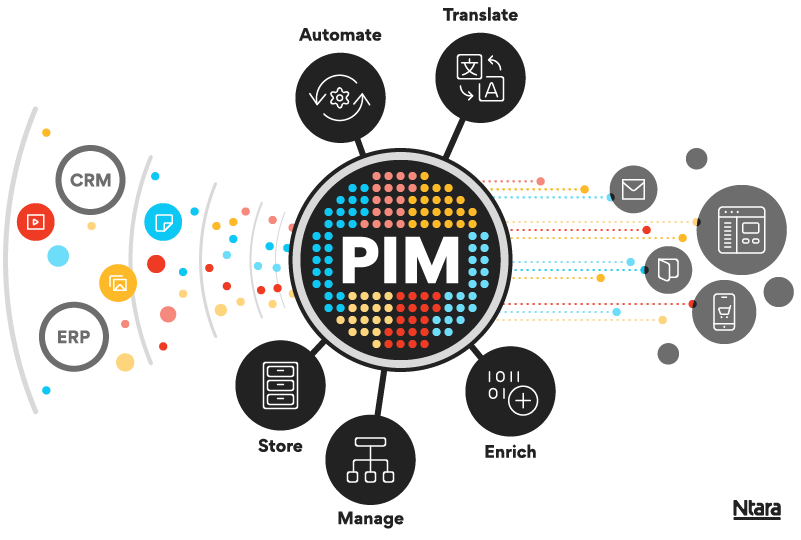
A robust Product Information Management (PIM) system efficiently manages product data, attributes, and content.
A comprehensive PIM solution enables businesses to centralize product information, maintain data accuracy, and ensure consistency across all sales channels.
With PIM, businesses can streamline product onboarding processes, improve data quality, and provide customers with accurate and up-to-date product information, enhancing the shopping experience within the enterprise eCommerce platform.

An Order Management System (OMS) is a critical component of enterprise eCommerce platforms as it facilitates seamless order processing, inventory management, and fulfillment operations.
OMS allows businesses to efficiently manage orders from multiple sales channels, track order statuses in real time, and optimize order routing and fulfillment processes.
By integrating OMS with enterprise eCommerce development, businesses can automate order processing, reduce fulfillment times, and improve order accuracy, ultimately enhancing customer satisfaction and repeat business.
Integrating Customer Relationship Management (CRM) software with the enterprise eCommerce platform is essential for businesses looking to build and maintain strong customer relationships.
By leveraging CRM data, businesses can personalize marketing campaigns, provide targeted promotions, and deliver tailored customer experiences, fostering customer loyalty and retention.
Marketing automation capabilities are key features that empower businesses to streamline marketing processes, personalize customer communications, and drive sales growth.
Enterprise eCommerce platforms with built-in marketing automation tools enable businesses to automate email marketing, conduct targeted campaigns, and analyze customer engagement metrics.
Suggested Reading :
How to Implement Enterprise E-Commerce Solutions Successfully
Crafting a successful enterprise eCommerce development strategy is crucial for businesses looking to thrive in the competitive online marketplace.
By identifying their target audience, developing a competitive product assortment, and creating a user-friendly shopping experience, businesses can enhance their online presence and drive sales growth.

Understanding your target audience is the foundation of a successful enterprise eCommerce strategy.
A competitive product assortment attracts and retains customers in the saturated enterprise eCommerce space.

Creating a user-friendly shopping experience enhances customer satisfaction and encourages repeat business in the enterprise eCommerce development.
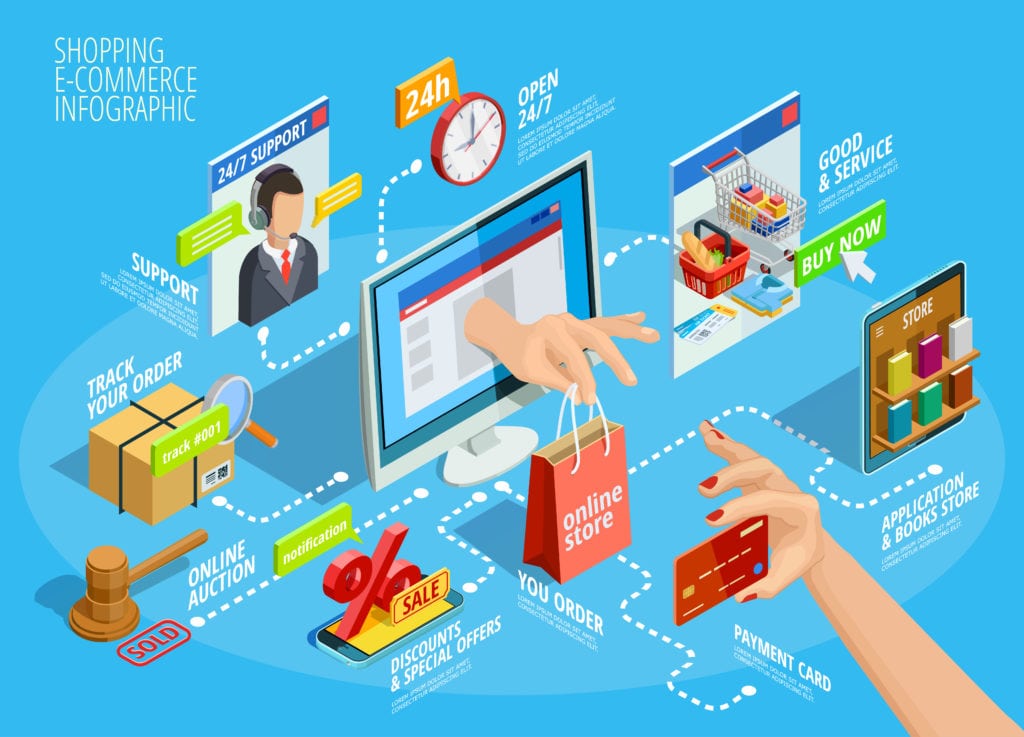
Once you have developed a robust enterprise eCommerce strategy, the next step is to market your online store effectively to reach your target audience.
Businesses can drive website traffic and increase sales by leveraging various digital marketing channels.
This section will explore search engine optimization (SEO) strategies, content marketing and brand storytelling, and leveraging paid advertising channels.
SEO is critical for businesses looking to improve their organic search engine rankings and drive traffic to their website.
Content marketing and brand storytelling can help businesses create a strong online presence and drive customer loyalty.
Paid advertising channels, such as pay-per-click (PPC) advertising and social media advertising, can help businesses target their audience and drive traffic to their website.
Suggested Reading :
10 Tips for Implementing Enterprise E-commerce Successfully
Optimizing your operational processes is crucial to ensuring the success of your enterprise eCommerce store.
From inventory management and fulfillment strategies to customer service excellence and data-driven decision-making, every aspect plays a pivotal role in enhancing your business's overall performance.

Efficient inventory management is the cornerstone of a successful eCommerce operation. It involves strategically controlling the flow of goods from procurement to fulfillment, maximizing sales potential while minimizing carrying costs.
Delivering exceptional customer service is a defining factor for a thriving enterprise eCommerce business.
The ability to promptly address customer queries, provide personalized support, and resolve issues efficiently builds trust and loyalty.

In the dynamic landscape of eCommerce, leveraging analytics and data-driven insights is paramount for making informed decisions.
The future of enterprise eCommerce is poised for transformative advancements driven by emerging technologies and evolving consumer preferences.
From artificial intelligence and personalized experiences to the rise of omnichannel commerce, businesses must adapt and innovate to stay ahead in the competitive digital landscape.

As the digital realm continues to evolve, the integration of cutting-edge technologies like artificial intelligence (AI) and augmented reality/virtual reality (AR/VR) presents unparalleled opportunities for enhancing customer experiences and optimizing operational efficiency.
In the era of omnichannel commerce, delivering seamless, integrated customer experiences across multiple touchpoints is paramount for success.
In conclusion, the world of enterprise eCommerce is dynamic and demanding, requiring businesses to scale, innovate, and adapt to stay ahead.
In this blog, we have explored the essential components of a successful enterprise eCommerce strategy, from understanding the unique challenges and benefits to implementing effective marketing, operational, and technological solutions.
By defining target audiences, selecting the right platform, building scalable infrastructures, and integrating with existing systems, you can enhance your market reach, customer experience, and operational efficiency.
AppsRhino offers a comprehensive, secure, and scalable eCommerce platform tailored to meet the needs of growing enterprises.
With powerful features, seamless integrations, and dedicated support, AppsRhino is poised to help businesses thrive in the competitive digital marketplace. Embrace the future of enterprise eCommerce with confidence and drive your business toward unparalleled success.
Suggested Reading :
Launching Your Ecommerce Platform: A Practical How-To Guide
Custom Development
7 Apr 2026
Tell us what your business actually runs on today, and we will map what it takes to make it one system.