
Custom Development
Alcohol Delivery Market Share and Trends: Size, Growth, & Business Opportunities
7 Apr 2026
Fashion brands do not struggle because of poor products. They struggle because of weak digital experiences.
A strong clothing store application changes how customers browse, shop, and return.
If you are wondering how to create a clothing app that attracts users and drives steady sales, you need more than coding.
Clothes app development requires a clear strategy, thoughtful clothing app design, and the right features.
This guide covers the process, cost, and roadmap to build a scalable fashion app in 2026.
Whether you plan to create a clothing brand app for Android or work with clothing store developers, this is where you begin.
A clothing store application is no longer optional for fashion brands.
Mobile shopping now drives nearly 60% of global ecommerce transactions, and apparel remains one of the fastest-growing online categories.
As reported by Barchart, the global apparel market size is expected to reach $1.6 trillion by 2030, showcasing the massive growth potential in digital fashion retail.
Here’s how investing in a dedicated clothes app helps brands:
Unlike mobile websites, apps create a direct and consistent channel to shoppers.
For brands planning long-term growth, investing in a clothing store application strengthens retention, increases average order value, and builds stronger customer relationships.
Many companies partner with e-commerce app development experts like AppsRhino for end-to-end fashion app development, from design to launch, ensuring faster delivery and measurable results.
If you want to understand how to make a clothing app that scales, follow a clear roadmap.
A structured approach reduces risk and improves launch success.
Here’s what the typical journey from idea to launch looks like:
Each stage builds on the previous one, so skipping steps often leads to delays or costly revisions later.
Below are the detailed steps to create a clothing app successfully.
Don't build in a vacuum. Research your niche and target audience first.
Audit competitors and read their reviews (find where their UX fails). Importantly, use surveys or landing pages to prove demand.
Early validation ensures you're solving a real problem before spending a dime.
Keep the initial scope tight and scalable. Focus on “must-haves” like catalogs, smart filters, and secure checkout.
Integrate payment gateways and order tracking early.
At this stage, you must also decide which revenue model you want to go for: direct sales or marketplace commissions?
Keep the MVP (Minimum Viable Product) tight so you can scale without the bloat.
Pick a method that fits your budget.
Choose native development for top-tier performance or cross-platform (like Flutter or FlutterFlow) for a faster release.
Whatever you choose, ensure your tech stack is built for high-traffic growth from day one.
In fashion, visuals are everything.
Use clean layouts and bold imagery. Keep navigation simple and the checkout frictionless.
Also, optimize checkout flows to reduce cart abandonment and increase completed purchases.
Test prototypes with actual users; if the app doesn't feel premium, shoppers won't stick around.
Execution matters as much as planning.
Build in stages, stick to milestones, and run rigorous usability tests. Fix bugs before store submission.
Likewise, once live, collect user feedback and iterate.
A successful clothing store app is never truly “finished”; it’s constantly evolving.
The next section highlights the core features of a sound clothing app and why these matter for conversions.
A clothing store application should do more than showcase products. It must make shopping simple, fast, and enjoyable.
The right features improve conversions, reduce returns, and encourage repeat purchases.
Here’s a breakdown of the core elements of a clothing app:
Your catalog shapes the first impression, while easy discovery keeps shoppers browsing longer.
This generally includes:
Sizing clarity builds trust. Better guidance also lowers return rates and improves confidence.
Developers must strive to provide:
Most users do not buy instantly. Features like personalization increase return visits and order value.
Customers look for:
Checkout should feel effortless and safe. Correspondingly, smooth checkouts are known to reduce drop-offs.
Aim to include:
Retention drives sustainable growth. Consistent engagement turns buyers into loyal customers.
Top features to consider are:
On the whole, these features work together to create a seamless shopping experience that drives conversions and long-term customer loyalty.
A well-designed clothing app design blends visual appeal with frictionless usability.
It doesn’t just look good; it guides users smoothly from discovery to checkout while reinforcing brand trust.
The table below showcases design best practices to keep in mind when building a clothing app.
Key Takeaways
Once your design strategy is finalized, the next crucial decision is choosing the right platform: Android, iOS, or both.
When planning clothing app development, one of the first strategic decisions is choosing Android, iOS, or both.
Each platform differs in market reach, monetization potential, development effort, and long-term ROI.
Here’s how to evaluate which platform aligns best with your business goals and target audience:
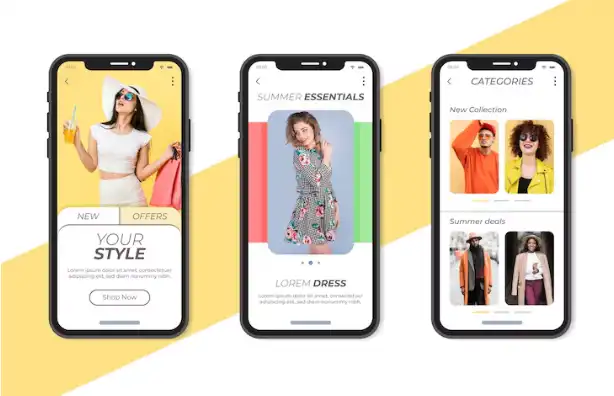
Android offers global scale and customization flexibility.
However, device fragmentation increases QA and compatibility testing efforts.
Pros:
Cons:
iOS provides a controlled ecosystem with streamlined testing and stronger monetization potential, especially in premium markets.
Pros:
Cons:
Frameworks like Flutter or React Native enable shared development across both platforms, reducing costs and accelerating launch timelines.
Native development may still be preferable for performance-heavy ecommerce features.
Choose Android for reach, iOS for revenue efficiency, or cross-platform for balanced, scalable growth.
Knowing the cost of a clothing store application is one of the most practical steps for founders planning how to create a clothing app.
Prices vary based on features, platform choice, design, and the experience of your clothing store developers.
Here’s a breakdown of the typical ranges for developing clothing store applications:
Below is a breakdown of common clothing app types and what you can expect to invest in:
Here’s what typically influences your clothing app development budget:
Below is a typical project timeline for a clothing store app and how each stage affects your budget:
The Bottom Line: Here’s a quick summary to guide your planning:
This breakdown helps set realistic expectations and prepares you to choose the right platform, team, and timeline for your clothing app vision.
Finding the right team can make or break your clothing app.
It’s not just about coding; it’s about understanding your users, designing smooth experiences, and keeping the app scalable and future-ready.
Good developers don’t just build features. They:
Here’s a quick look at the pros and cons of different hiring models so you can decide what fits your project best:
Agencies work best for full-featured apps, freelancers suit small or early-stage projects, and in-house teams provide long-term alignment at a higher investment.
Ask whether they:
Quick Hiring Checklist: Define your needs → Review portfolios → Test technical skills → Check communication → Confirm post-launch support.
The right developers help your app delight users, scale with your business, and stay competitive.
For businesses looking for a smoother, worry-free development journey, Appsrhino’s dedicated developers bring ecommerce expertise, end-to-end support, and clear communication to ensure your clothing app launches on time and delivers real value.
A clothing store app isn’t just a place to shop; it shapes how people discover, explore, and buy your products.
Success comes from clear planning, intuitive design, and the right features.
Picking the right platform, managing costs, and working with skilled developers ensures your app runs smoothly and grows with your brand.
From testing your idea to launching and refining it, every step counts.
Focusing on mobile-first design, seamless checkout, and personalization drives engagement and conversions.
By understanding features, costs, timelines, and development strategies, brands can create a fashion app that delights users, encourages repeat purchases, and supports long-term growth.
Custom Development
7 Apr 2026
Tell us what your business actually runs on today, and we will map what it takes to make it one system.