
Custom Development
Alcohol Delivery Market Share and Trends: Size, Growth, & Business Opportunities
7 Apr 2026
“Millions of people carry their world in their pockets”. With their smartphones in hand, people can access the latest breaking news, and juicy gossip, watch the next episode of their favorite series while having pizza which was ordered from the same device, and you think that they would not Google or open the mhealth app to check their next fever or headache symptoms from their mobile?
mHealth which is the short abbreviation for mobile health apps has revolutionized the way the healthcare industry used to work. The fusion of technology and medicine has managed to gift us unique healthcare services at our fingertips.
mHealth brings a wide range of services including tools, technologies, and much more that patients can use almost anywhere and at any time of the day.
In this article, we will discuss the services offered by mHealth apps and how you can revamp your medical practice by incorporating them into your service to provide a holistic experience to your next patient.
So get ready for the explorative journey to the new phase of the healthcare sector powered by mHealth apps.
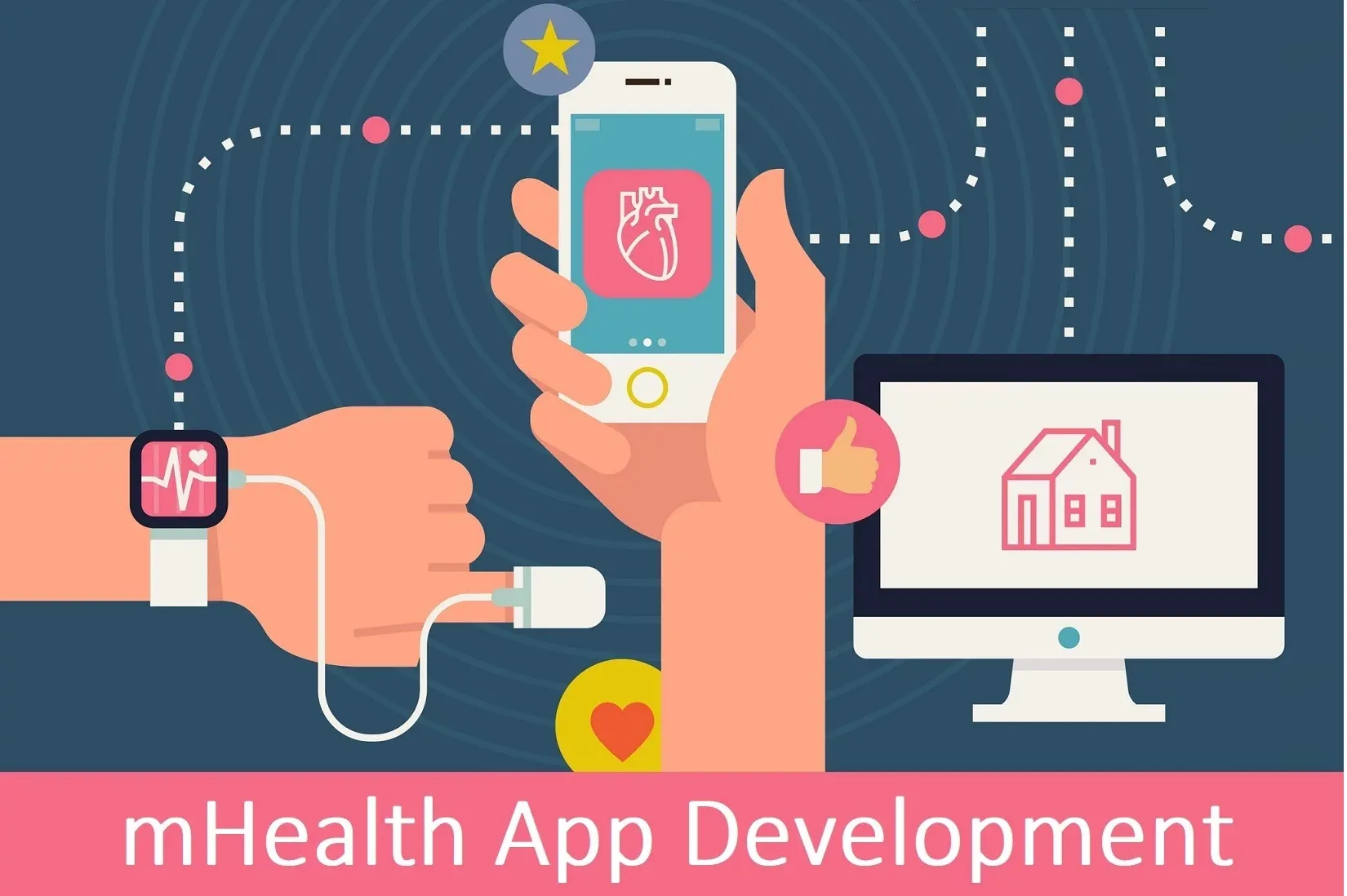
Discover how mHealth app development transforms healthcare practices: from enhancing patient engagement and improving diagnosis accuracy to streamlining operations, fostering telemedicine, and leveraging real-time health monitoring.
Embrace these five pivotal changes to elevate care quality, efficiency, and patient satisfaction in your practice.
mHealth apps gather vital information about patient health history and offer an array of tools and features by properly arranging them for the users.
These apps provide patients with access to their health records, personalized treatment plans, and educational resources which can help them to learn more about their ailments and how they can be prevented.
Patients can use mHealth apps to schedule appointments, receive medication reminders, and track their progress toward better health goals.
When patients are actively involved in their care, they are more likely to follow treatment plans and stick to the medications, resulting in improved health outcomes.
Patients who play an active role in their healthcare decisions experience better communication and collaboration with their healthcare providers, leading to a more personalized and effective care experience.
Patients can use these apps to track their vital signs, symptoms, and lifestyle factors, enabling them to identify potential health issues and seek timely medical attention.
By promoting self-monitoring and self-care, mHealth apps empower patients to take a proactive approach to their health, reducing the likelihood of complications and hospitalizations.
With mHealth apps, patients can easily schedule appointments at their convenience, eliminating the need for lengthy phone calls and potential errors that happen while scheduling.
With the versatile app features, patients can check the availability of healthcare professionals, and select a suitable time slot without any back-and-forth communication.
Patients can also receive appointment reminders and notifications through the app, reducing the risk of missed appointments due to forgetfulness which is a common human error.
Instead of spending time on manual appointment scheduling and data entry, healthcare staff can focus on providing quality care. The apps can seamlessly integrate with practice management systems, enabling easy access to patient information, medical history, and any necessary documentation.
This streamlines the workflow and allows for smoother patient visits.
No-shows are a big concern in the service sector, they not only result in wasted time and resources but also delay care for other patients. With the appointment reminders and confirmation requests features provided by these apps, patients are more likely to show up for their appointments on time.
This reduces the number of empty slots and allows healthcare providers to better allocate their time and resources.
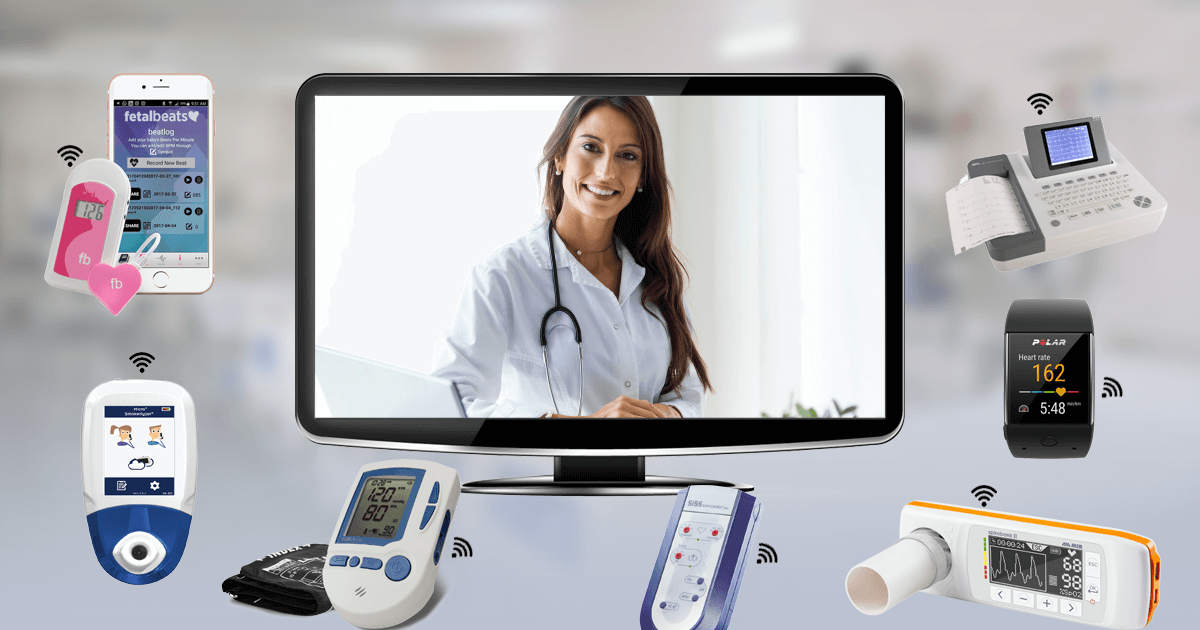
For chronic disease management, remote monitoring through mHealth apps offers several advantages. Patients with conditions such as diabetes, hypertension, or heart disease can use these apps to track their daily health metrics, such as blood glucose levels, blood pressure, or heart rate.
The data collected can be shared with healthcare professionals in real time, enabling timely interventions and adjustments to treatment plans.
Remote monitoring empowers patients to take ownership of their health and fosters a sense of continuous care, reducing the need for frequent in-person visits and hospitalizations.
This not only improves the quality of life for patients but also reduces healthcare costs associated with managing chronic conditions.
Even after surgery also, patients can utilize these apps for follow-up consultations by sharing recovery progress, symptoms, and any concerns with their healthcare team through the app.
This also enables healthcare providers to monitor patients’ healing process identify any complications early on and provide them timely medical advice and support if needed and that too from the comfort of their homes.
One of the key benefits of data tracking and analytics in mHealth apps is the ability to provide personalized patient care. By continuously collecting data on vital signs, symptoms, medication adherence, and lifestyle behaviors, these apps create a comprehensive picture of an individual's health.
Healthcare professionals can analyze this data to identify patterns, trends, and potential risk factors.
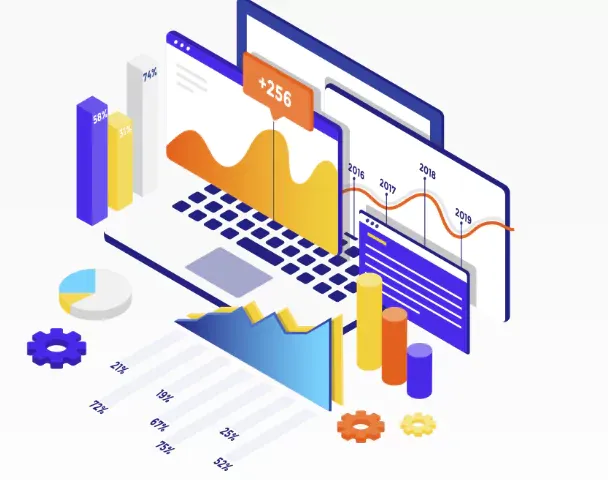
This enables personalized treatment plans, tailored interventions, and early detection of issues. For example, by analyzing a patient's sleep patterns, exercise habits, and stress levels, healthcare providers can offer targeted recommendations for improving overall well-being and managing chronic conditions more effectively.
Moreover, data-driven insights derived from mHealth apps have a significant impact on population health management.
By aggregating and analyzing data across a large patient population, healthcare organizations can identify trends and patterns that help in preventive care strategies and resource allocation to prevent deadly disease outbreaks.
AI and ML can enhance the capabilities of mHealth apps by analyzing large health datasets, providing personalized recommendations, and improving diagnostic accuracy.
These data advancements have the potential to revolutionize patient care, enabling more accurate diagnoses, individualized treatment plans, and real-time monitoring of health conditions.
Another future trend is the increased adoption of wearable devices and sensors. With the help of accurate data tracking features these wearables allow for real-time monitoring of vital signs, physical activity, and sleep patterns, providing valuable insights for preventive care and chronic disease management.
In terms of challenges, privacy and data security remain critical considerations for the successful implementation of mHealth apps.
As these apps collect sensitive health information, robust security measures must be in place to protect patient confidentiality. Compliance with relevant data protection regulations, such as HIPAA in the United States, is crucial.
Additionally, ensuring that users have control over their data and understand how it will be used is essential to maintain trust and encourage adoption.
Seamless integration with electronic health records (EHRs), lab systems, and other healthcare IT infrastructure is crucial for efficient and coordinated care.
Ensuring that mHealth apps can easily exchange data and communicate with healthcare providers' systems is essential for a comprehensive and connected healthcare ecosystem.
In conclusion, integration of mHealth apps with traditional healthcare services provides numerous benefits such as remote monitoring, personalized patient care, and data-driven insights for more holistic decision-making, proactive and personalized care as mHealth apps hold great potential to improve healthcare outcomes, enhance population health management, and create a more patient-centered and efficient healthcare system.
From the patient’s end, these apps empower them to take a more active role in managing their health with the help of trackers and monitors.
The integration of emerging technologies like AI and wearables holds great promise for the future of mHealth apps and their impact on healthcare.
By complying with some data security and privacy measures mHealth apps can open the doors for a more efficient and futuristic healthcare system.
Suggested Reading : Partner with AppsRhino for mHealth App Development
Custom Development
7 Apr 2026
Tell us what your business actually runs on today, and we will map what it takes to make it one system.