
Custom Development
Alcohol Delivery Market Share and Trends: Size, Growth, & Business Opportunities
7 Apr 2026
Despite being relatively new,Telehealth apps have grown into a very important aspect of the world of modern health. A brief look at the impact of telehealth apps has been undertaken below, specifically stressing the numerous strategies they encapsulate within themselves, which makes them successful. Navigating the intricate path to success in this domain demands a strategic approach that goes beyond mere technological powers.
Telehealth apps are applications that can be operated on a mobile phone and offer remote medical services by healthcare providers. Everything that used to be done by physically visiting a doctor’s office can now be done virtually via telehealth apps.
The activities that can be performed on a telehealth app range from personal interaction with healthcare professionals receiving diagnoses, and getting treatment done. One of the major reasons for the rapid success of telehealth apps is that they allow patients to have easy access to medical care from anywhere.
Join us and set off into the foundations that underpin the success of telehealth apps, unlocking new frontiers in accessible and effective healthcare delivery.
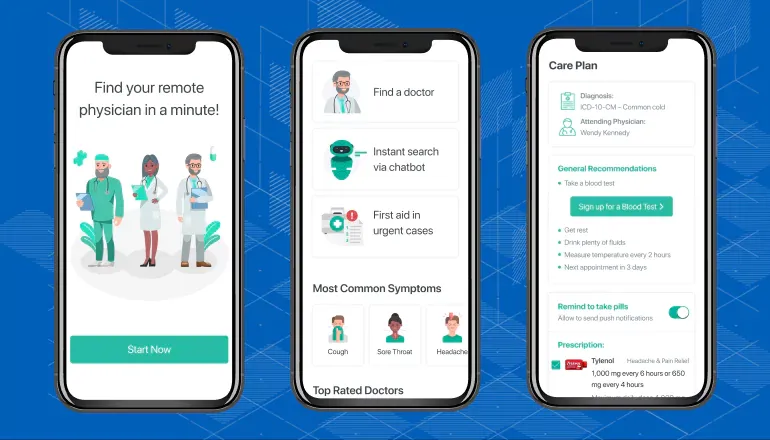
Telehealth app is more like an umbrella term that includes a number of applications within itself wherein each and everyone serves various purposes. Therefore, it is important to understand its different types and features before setting out to develop a telehealth app.
A telehealth app majorly aims at providing medical services to patients remotely with efficient healthcare providers by its side. In order to do that, it has segregated itself into a number of branches. Some focus on virtual consultation, while others focus on treatment follow-ups. Some apps feature patient self-management tools, while others provide remote monitoring features.
It is extremely important to decide which type of telehealth app would be most beneficial to your patients and healthcare providers before you set off on establishing a telehealth app of your own.
A plethora of advantages are offered by telehealth apps, ranging from increased access to healthcare services, improved care coordination, and lower healthcare costs. It is no surprise that more people prefer telehealth services due to their convenient nature.
For instance, the hassle of traveling has been eliminated since the introduction of these apps ,as patients who belong to remote areas get easy access to healthcare services without traveling to see a doctor in person. Additionally, telehealth apps can save patients time and money by eliminating the need for a physical office visit.
Even healthcare providers avail a number of benefits, such as a significant reduction in the number of no-shows. With a telehealth app, patients can schedule appointments and get reminders, reducing the possibility of not showing up for an appointment.
Telehealth apps are designed to meet the needs of a diverse range of users. Let's take a closer look at the different user groups that can benefit from these innovative apps.
Previously, patients were denied access to proper medical assistance in terms of need simply because they belonged to a remote area. Telehealth apps have worked effortlessly to break these walls by connecting patients in remote locations with healthcare providers.
Individuals residing in remote areas can now access medical consultations, diagnosis, and treatment from the comfort of their own homes. This brings essential healthcare services to those who would otherwise face long and costly journeys to receive medical attention.
Aged people often face difficulty during transportation when they have to physically pay a visit to their healthcare facilities. Telehealth apps offer a lifeline by allowing them to consult with healthcare professionals without leaving their homes.
From routine checkups to managing chronic conditions, telehealth apps empower the elderly to take control of their health while minimizing the need for arduous travel and waiting times.
Accessing healthcare services can be challenging for individuals with limited mobility. Telehealth apps provide a convenient and accessible alternative. Users can consult with healthcare professionals, receive medical advice, and even get prescription refills from the comfort of their own homes.
Telehealth apps not only save these patients the physical exertion of visiting a clinic but also offer them the freedom to seek medical help whenever necessary.
Telehealth apps have been proven effective in a multitude of ways. Let's examine the efficacy and impact of these apps, backed by evidence-based advantages.
Telehealth apps have been successful in breaking down geographical barriers and improving access to medical services. Patients now have immediate access to healthcare professionals, reducing the time it takes to receive medical advice and treatment. This results in faster diagnosis and intervention, ultimately leading to better patient outcomes.
Telehealth apps play a critical role in providing healthcare access to those who previously faced barriers. By eliminating the need for physical visits, these apps increase access for individuals in remote areas, elderly populations, and patients with mobility challenges.
Moreover, telehealth apps offer extended availability, ensuring patients can seek medical help outside of regular working hours.
Providing innumerable benefits results in positive patient outcomes. Patients now have grown to take responsibility for their health with the help of telehealth app’s exclusive features like regular monitoring and personalized care.
Patients can record their symptoms, view test results, and track progress, all within the app. Additionally, telehealth apps provide reminders for medication and follow-up appointments, reducing the risk of missed treatments.
By utilizing telehealth apps, healthcare providers can efficiently manage their patient population. Virtual consultations and remote monitoring reduce the strain on healthcare facilities, optimize appointment scheduling, and improve overall resource allocation.
This allows healthcare professionals to focus on delivering quality care and improves the efficiency of the healthcare system as a whole.
To ensure the immediate success of telehealth apps, healthcare institutions can integrate these 5 key strategies into their telehealth app that are discussed in detail below.
The first strategy to create an exceptional telehealth app is to prioritize user experience. Establishing a user-friendly and intuitive interface guarantees seamless navigation and optimal engagement.
The needs and preferences of the users must be kept in mind when you are developing a telehealth app. By understanding their expectations and challenges, you can design an app that meets their needs effectively.
The key to a successful telehealth app is the presence of an intuitive user interface. For implementing this, clear and easily identifiable icons, buttons, and menus can be established. This makes sure that users can navigate through the app effortlessly. Simple navigation enhances overall usability and encourages users to engage with the app regularly.
Almost everyone, irrespective of their age and ability, should be able to avail the features of telehealth apps. Features such as larger text options, voice control, and color contrast adjustments must be incorporated to improve accessibility for elderly individuals or those with visual impairments. By prioritizing accessibility, you can ensure that the app is inclusive and user-friendly for everyone.
The second strategy to enhance the telehealth app experience is to prioritize on-demand communication. Instant and efficient communication between patients and healthcare providers is vital for effective diagnosis and treatment. Here's why on-demand communication is significant:
As a part of the current fast- paced world, we all know the importance of time. Instant communication through telehealth apps can bridge the gap between patients and healthcare providers, facilitating timely interventions and reducing waiting times.
To facilitate effective communication, telehealth apps can incorporate various methods such as video conferencing, chat, and messaging features. These features enable patients and physicians to interact in real time, discuss symptoms and concerns, and enhance the overall patient-physician relationship.
By integrating seamless video conferencing, chat, and messaging features, telehealth apps can offer a comprehensive platform for convenient and effective communication. Patients can have virtual consultations, seek medical advice, and receive prompt responses from healthcare professionals, all from the comfort of their homes.
The third strategy to elevate the telehealth app experience is to focus on healthcare personalization. By tailoring healthcare services to individual patient needs, telehealth apps can enhance engagement, encourage proactive health management, and deliver personalized care. Let's explore the benefits of healthcare personalization:
Personalization empowers patients by providing individualized health plans and treatment options. By considering patients' unique circumstances, medical history, and preferences, telehealth apps can ensure that the care they receive is tailored to their specific needs.
Through telehealth apps, healthcare providers can offer personalized health plans and treatment options that take into account patients' specific conditions. This tailored approach encourages patients to be actively involved in their healthcare journey and promotes better health outcomes.
Telehealth apps can send customized notifications to remind patients about medication schedules, upcoming appointments, and other health-related alerts. These personalized reminders not only improve patient adherence to treatment plans but also enable patients to stay on top of their healthcare needs.
When it comes to healthcare, security, and privacy are of utmost importance. Building trust with patients by prioritizing the security and privacy of their data is essential. Here's why it matters:
Nowadays, data breaches have become very normal; therefore, it is extremely important to safeguard the personal information of the users. The app must be safe enough for users to indulge their medical data and personal information. By emphasizing the importance of security and privacy in your telehealth app, you build trust and confidence among your user base.
The topmost concern in a telehealth app should be to secure the user's personal information. This can be done by implementing robust encryption methods as it ensures that patient data remains secure during transmission and storage. Additionally, implementing secure user authentication protocols ensures that only authorized individuals can access the app and its features.
Health Insurance Portability and Accountability Act (HIPAA) regulations set the standards for protecting patient data in the healthcare industry. It is crucial for telehealth apps to comply with HIPAA regulations to ensure patient confidentiality and avoid legal repercussions. By following these regulations, you can provide your users with peace of mind and demonstrate your commitment to protecting their privacy.
Thorough testing is key to delivering a seamless and glitch-free user experience. Testing is an essential aspect of telehealth app development, ensuring the app's functionality, performance, and security. Here's why mobile app testing is significant:
Patients and healthcare should not come across any sort of bugs or performance issues when they are operating the app. The telehealth app must be free of bugs before it is introduced in the market to users. The app must go through numerous tests so that it functions as intended and provides a smooth user experience. By investing time and effort in testing, you can identify and rectify any potential issues before the app goes live.
To ensure a high-quality telehealth app, various types of testing should be conducted. Functionality testing checks whether all features and functionalities of the app are working correctly. Performance testing assesses the app's speed, responsiveness, and resource usage. Security testing identifies vulnerabilities and ensures that patient data is protected from unauthorized access.
User feedback and reviews are very helpful when working on an app as they help in assessing the app's usability and identify any areas for improvement. By involving users in the testing process, you gain valuable insights into how your telehealth app can be more intuitive and user-friendly. This testing helps ensure that your app meets the needs and expectations of your target audience.
By implementing these five key strategies - user experience focus, on-demand communication, healthcare personalization, security and privacy, and mobile app testing - you can create a telehealth app that delivers exceptional value to both patients and healthcare providers.
As the healthcare landscape continues to evolve, embracing user-centric design, robust security measures, seamless integration, personalized experiences, and continuous innovation not only ensures the viability of a telehealth app but positions it as a trusted and indispensable companion in the pursuit of accessible and indispensable companion in the pursuit of accessible and effective healthcare solutions.
Prioritizing security and privacy builds trust, while thorough testing guarantees a glitch-free user experience. The impact of implementing these strategies goes beyond the app itself. It enhances healthcare accessibility, improves patient outcomes, and helps create a healthier future for all. So, let's embrace these strategies and unlock the full potential of telehealth!
Custom Development
7 Apr 2026
Tell us what your business actually runs on today, and we will map what it takes to make it one system.